

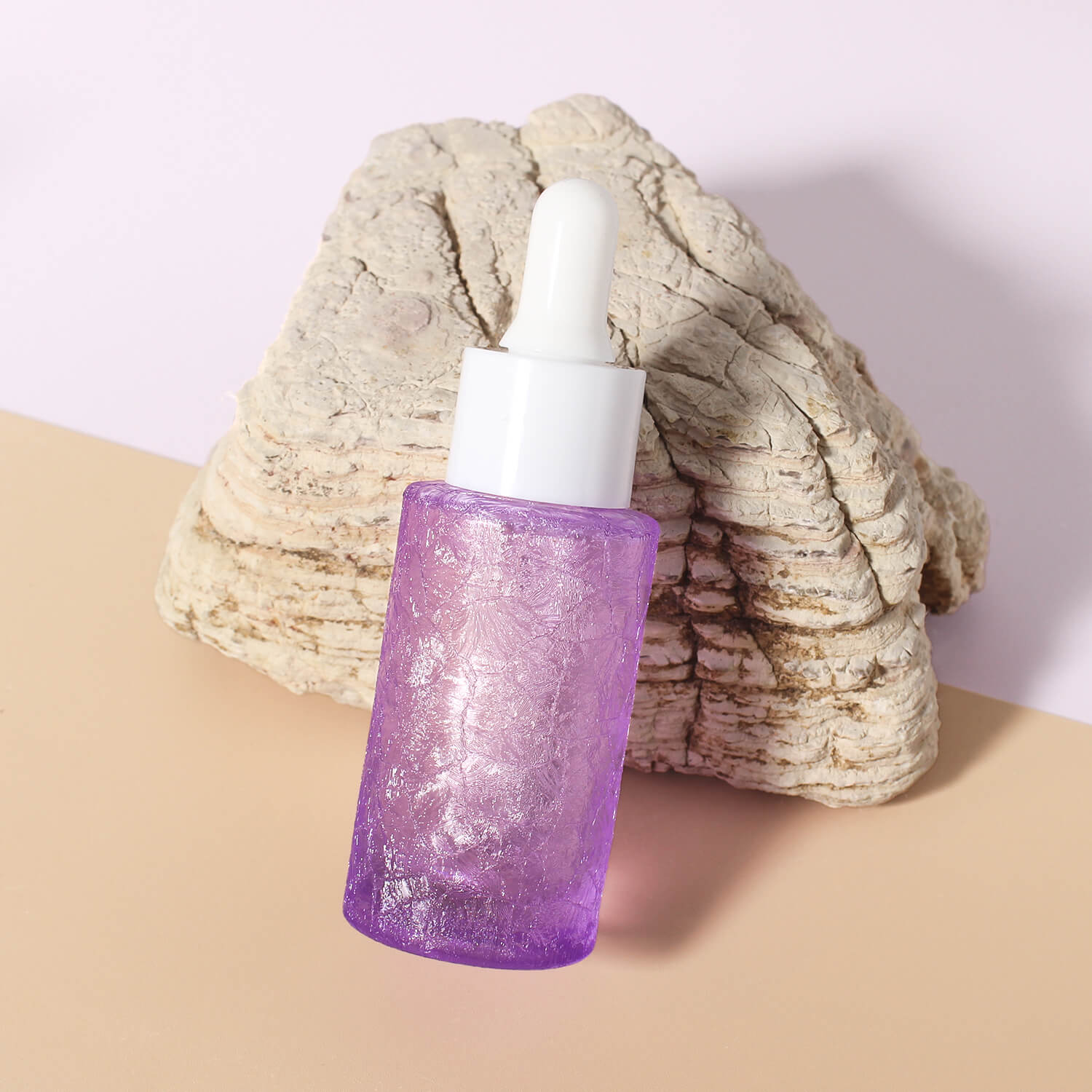
Essentially, the “Ice Flower” effect is a specialized spray-coating or etching process for glass. Think of it as tattooing the bottle; however, instead of using ink, artisans use specialized coatings or acids to create a unique, textured “frosted” appearance.
How is the Frosted Effect Created?
The frosting process relies on either chemical or physical methods to create microscopic, irregular textures on the glass surface. Consequently, when light hits this treated surface, it scatters diffusely instead of reflecting directly. This light diffusion produces the signature hazy, crystal-like visual effect.
Key Production Processes Explained
Manufacturers primarily use two methods to achieve this look, each with distinct advantages.
1. Chemical Etching (The Premium Method)
This multi-step process creates a permanent and high-quality finish.
-
Step 1: Surface Cleaning: First, the glass undergoes rigorous ultrasonic or acid/alkali cleaning to remove all oil and impurities. This step is crucial for ensuring a perfectly uniform treatment.
-
Step 2: Applying a Protective Mask: Next, workers apply an acid-resistant ink or protective film to any areas that must remain smooth, such as logos.
-
Step 3: Creating the Texture: Then, the actual frosting begins. There are two common techniques:
-
Sandblasting: This involves high-pressure spraying of fine abrasives onto the glass.
-
Acid Etching: Alternatively, artisans immerse the glass in a hydrofluoric acid solution to chemically corrode the surface. Although acid etching yields a finer finish, it requires strict safety and environmental controls.
-
-
Step 4: Rinsing and Neutralization: After etching, workers thoroughly rinse the glass with water and alkaline solutions to neutralize any residual acid and stop the corrosion process.
-
Step 5: Optional Enhancements: Finally, manufacturers may add secondary coatings, like UV varnish, to enhance gloss or tactile feel.
2. Physical Spraying (A Cost-Effective Alternative)
For complex shapes or lower budgets, physical spraying offers a great solution.
-
Step 1: Spraying the Coating: Technicians spray a matte paint or UV resin containing textured particles directly onto the glass surface.
-
Step 2: Curing the Coating: The coating is then solidified through baking or UV light. While less durable than chemical etching, this method is highly adaptable.
Critical Control Points for Quality
Achieving a consistent “Ice Flower” effect requires precise control. For instance, texture granularity is adjusted by the abrasive size or acid concentration. Furthermore, environmental compliance is critical, especially for waste acid treatment and dust control. Brands often combine frosting with techniques like foil stamping to create striking glossy-matte contrasts.
Why Do Major Brands Love the Ice Flower Effect?
This finish offers a powerful combination of aesthetic and functional benefits that resonate strongly with consumers.
1. A Captivating Visual “Wow” Factor
The frosty shimmer creates an immediate impression of effortless elegance, elevating a product’s perceived value. Moreover, its natural light-diffusing property creates a soft glow, making products stand out both on shelves and in digital marketing.
2. A Functional Anti-Slip Grip
Beyond looks, the textured surface provides a practical, user-centric advantage. It ensures a firm hold, which is especially valuable in moist environments like bathrooms. Therefore, it beautifully merges safety with sophisticated style.
3. An Enhanced Emotional Unboxing Experience
The delicate frost effect often evokes a sense of calm and nostalgia, similar to a winter wonderland. This sensory delight encourages customers to linger and engage with the product, creating a memorable moment that is highly shareable on social media.
A Simple At-Home Experiment
You can easily observe the functional benefit of this texture. Simply breathe on a plain glass surface and then on an “Ice Flower” glass. You will notice how the condensation clings longer to the frosted pattern—this is direct proof of its superior anti-slip grip!

 Chat on WhatsApp