
Showing all 10 resultsSorted by latest
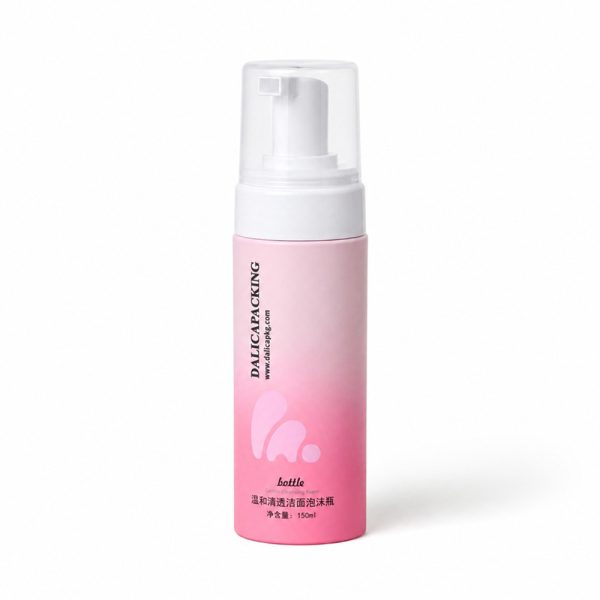
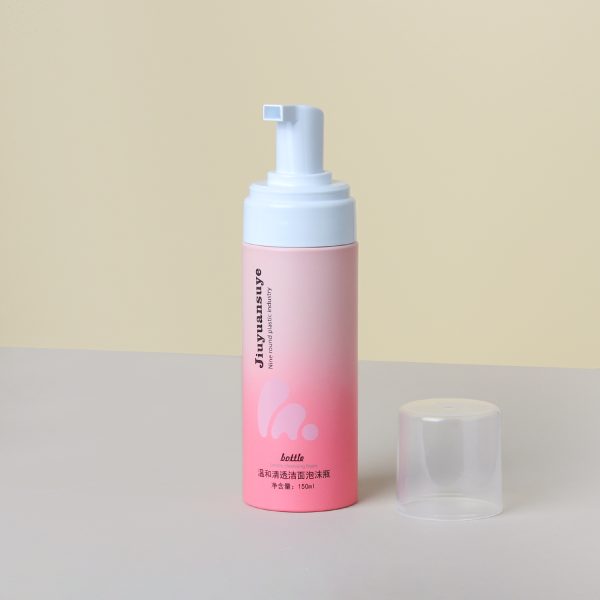

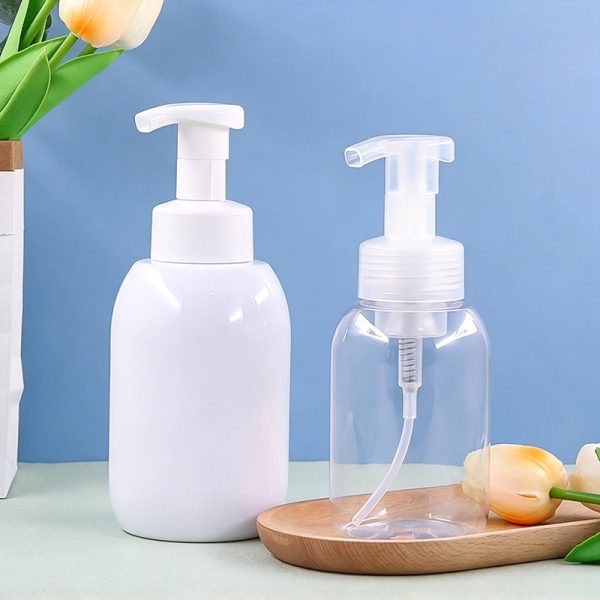

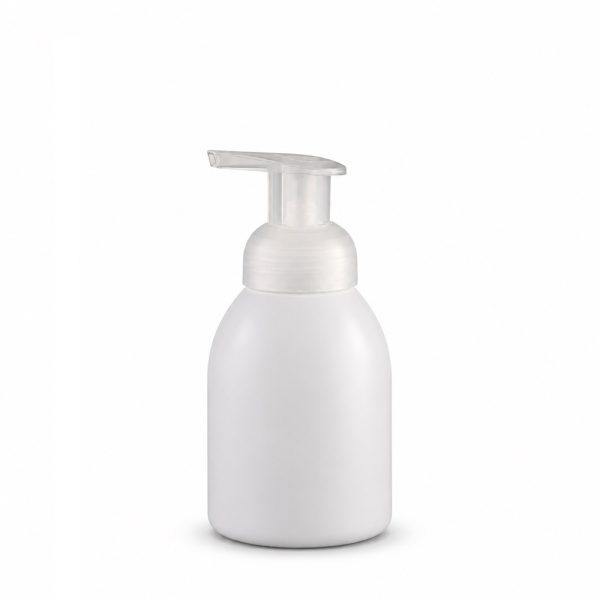
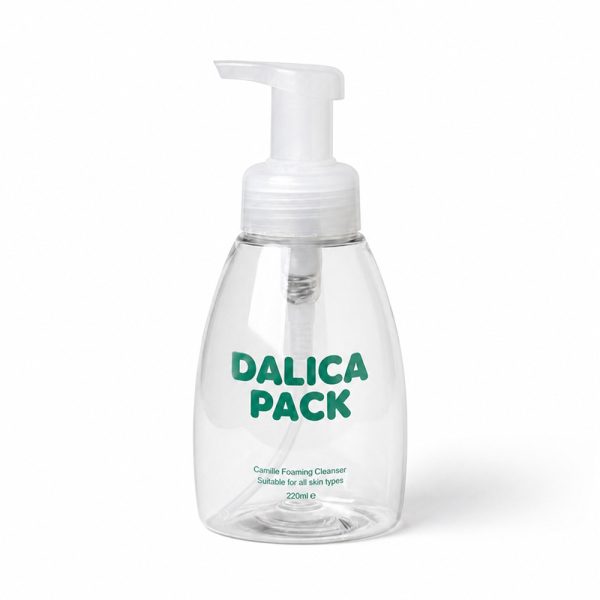
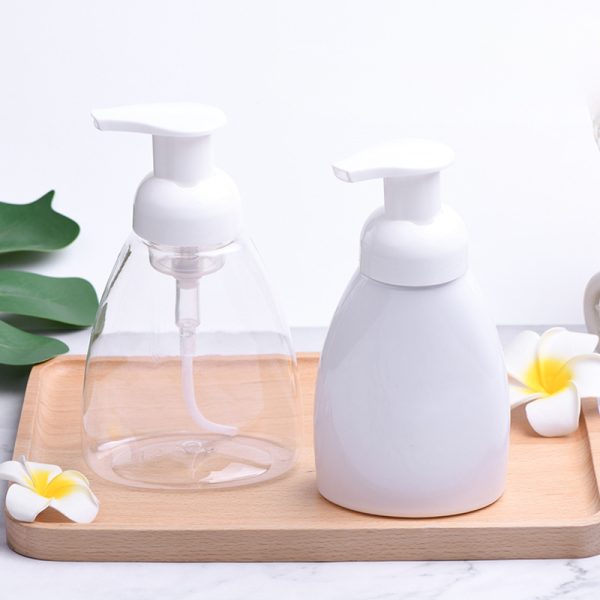
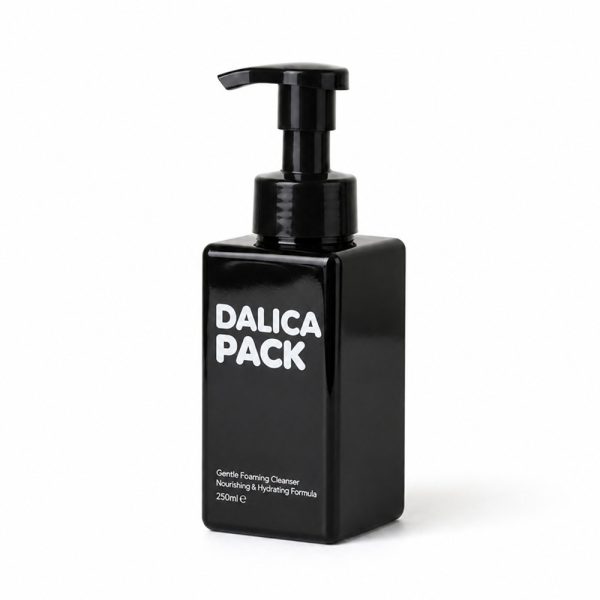

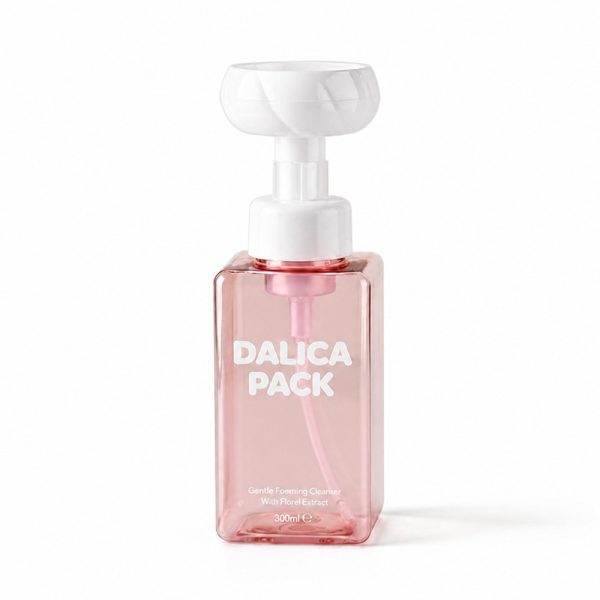




What Are Foam Pump Bottles?
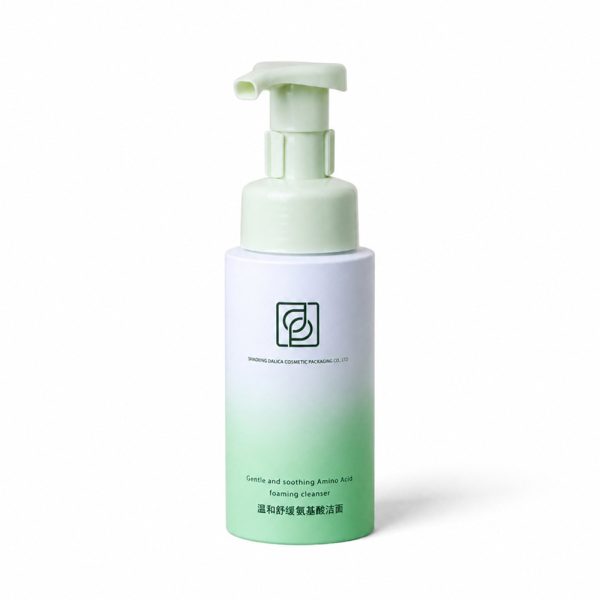
Foam pump bottles combine a liquid container with a mechanical foaming pump. The pump draws liquid through a dip tube, mixes it with air, and passes the mixture through a foaming structure to dispense ready-to-use foam without an aerosol propellant.
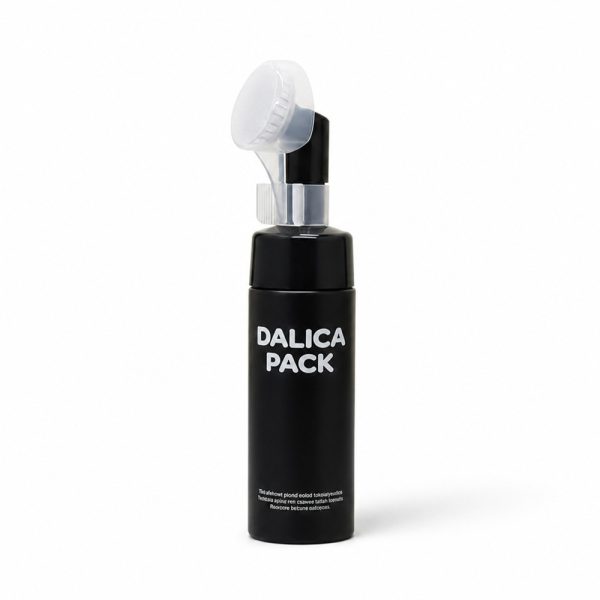
Dalica’s collection uses PET bottle bodies with PP foaming pumps, including compact mousse bottles, everyday cleansing bottles, silicone brush applicators, and flower-shaped foam dispensers.
Types of Foam Pump Bottles
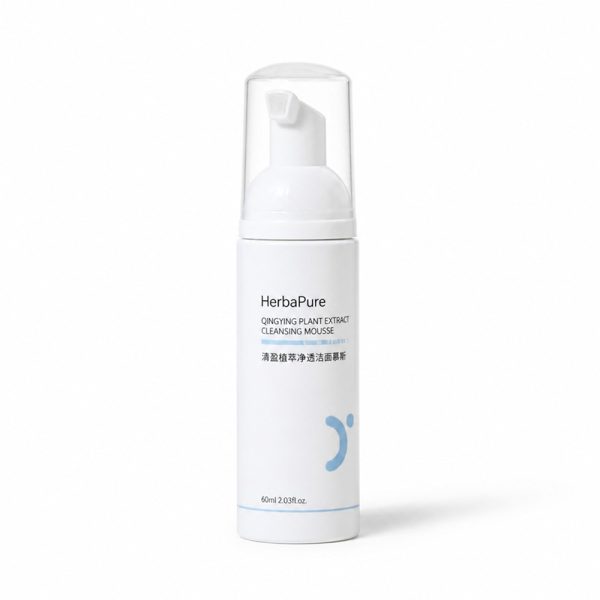
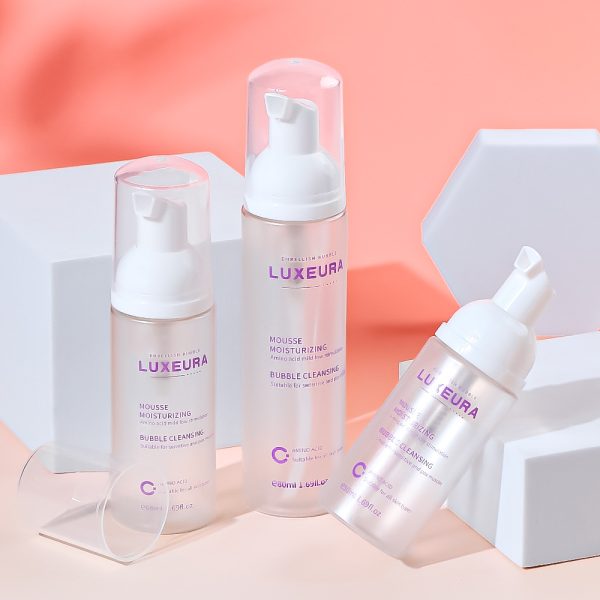
1. Foam Pump Bottles with Protective Caps
A protective overcap covers the foaming actuator and helps reduce accidental pressing during handling. Because it encloses the pump head, this configuration can add to the assembled package size.
Capped bottles are useful for facial cleansers, cleansing mousse, travel products, and trial sets. Dalica’s cylindrical, travel-size, and slim mousse bottle families provide options for these applications.
2. Foam Pumps with Neck Clips
A removable clip fitted beneath the actuator helps prevent the pump from being pressed before use. It provides a compact alternative to an overcap, although the dispensing outlet remains exposed.
Confirm clip availability and fit for the selected pump. A transport clip prevents actuator movement; sealing and leakage still require filled-pack testing.
3. Left-Right Locking Foam Pumps
A left-right locking actuator rotates between dispensing and locked positions. This can offer convenient repeated use without removing and replacing a separate clip.
Specify the required locking action when selecting the bottle-and-pump combination. Locking configurations must be confirmed for the chosen assembly, and a locked actuator should not be assumed to make the package leakproof.
4. Silicone Brush Foam Pump Bottles
A silicone brush applicator combines foam dispensing with a dedicated cleansing surface. This format can be evaluated for foaming facial cleansers and cleansing mousse products.
Check brush softness, attachment security, cleaning requirements, and dispensing performance with the finished formula. The brush is an applicator feature rather than simply a decorative cap.
5. Flower Foam Pump Bottles
A flower foam pump uses a specially shaped dispensing actuator to create a flower-like foam impression with a compatible formula.
This format offers a distinctive presentation for foaming hand wash and playful cleansing ranges. Foam shape and definition depend on the actual pump, formula, and pressing action.
6. Foam Pump Bottles vs. Lotion Pump Bottles
The main difference is the dispensing system: a foam pump mixes liquid with air, while a conventional lotion pump dispenses the formula directly.
| Comparison | Foam Pump Bottles | Lotion Pump Bottles |
|---|---|---|
| Dispensed product | Ready-to-use foam | Liquid, lotion, or another compatible fluid |
| Formula requirements | Generally requires a homogeneous, low-viscosity formula developed for mechanical foaming | Can accommodate different viscosities when matched to an appropriate pump |
| Main advantages | Convenient foam application; reduces the need to lather the product manually | Broader options for dispensing lotions and thicker personal care formulas |
| Main limitations | Thick formulas, particles, and unsuitable ingredients can disrupt foaming or block the mesh | Does not normally produce ready-to-use foam |
| Packaging considerations | Foaming mechanism and protective cap may require more space around the bottle neck | Pump dimensions vary by output, actuator, and locking design |
| Typical applications | Foaming face wash, cleansing mousse, hand wash, and compatible body cleansers | Moisturizers, body lotions, shampoos, conditioners, and compatible cleansing products |
Foam volume includes air, so a larger-looking amount of foam does not necessarily contain more liquid. Compare actual liquid output per stroke when assessing product usage.
Explore lotion bottles if your formula requires direct liquid or lotion dispensing.
What Are Foam Pump Bottles Used For?
Foam pump bottles support skincare and personal care products formulated to work with a mechanical foamer.
| Application | Suitable Packaging Direction | What to Evaluate |
|---|---|---|
| Foaming facial cleansers | Capped cylindrical or slim mousse bottles | Foam texture, output, and comfortable daily handling |
| Makeup-removing mousse | Mousse bottles with a compatible foaming pump | Formula compatibility, liquid pickup, and foam consistency |
| Cleansing mousse with a brush | Silicone brush foam pump bottles | Brush feel, cleaning, attachment security, and foam delivery |
| Foaming hand wash | Round, oval, square, or flower foam bottles | Pressing effort, repeated dispensing, and closure sealing |
| Body wash and cleansing liquids | Larger foam pump bottles | Coverage, required output, and bottle handling |
| Shaving foam | Selected mechanical foamer configurations | Foam stability, dispensing reliability, and formula performance |
| Travel and trial-size cleansers | Compact capped bottles | Assembled dimensions, actuator protection, and transport leakage |
For cleansing mousse packaging, PBF01, PBF08, and PBF09 provide cylindrical, compact travel, and slim bottle formats respectively.
“Mousse” describes the product’s foam presentation; it does not mean that a thick mousse or cream should be filled into the bottle. These packages normally hold a liquid that becomes foam during dispensing. Makeup-removing and shaving formulations require testing with the selected pump.
Foam Pump Bottle Capacities and Specifications
1. Available Capacities
Dalica’s listed foam pump bottles cover selected sizes from 30 ml to 500 ml:
- Travel-size mousse bottles: 30, 40, 50, 60, 80, and 100 ml.
- Slim foaming cleanser bottles: 100, 120, and 150 ml.
- Cylindrical mousse, hand wash, and silicone brush bottle families: Selected sizes of 100, 120, 150, 200, and 250 ml.
- Oval bottles: 250 and 300 ml.
- Rounded bottles: 300 and 500 ml.
- Square and flower foam bottles: 250, 450, and 500 ml.
Each bottle family has its own capacity options. Confirm the individual specification rather than assuming every design is available in every size.
2. Materials and Assembly
The listed collection uses PET bottle bodies and PP foaming pumps, with PP protective caps on selected configurations. The brush applicator uses silicone.
Before ordering, confirm:
- Bottle height, diameter or width, and assembled package height.
- Neck finish, closure fit, and sealing components.
- Pump output, foaming structure, and operating effort.
- Dip tube length, filling headspace, and liquid pickup.
- Protective cap, clip, or locking configuration where required.
Bottle dimensions may exclude the pump and cap. Use the complete assembled dimensions when planning cartons, labels, and filling operations.
Custom Foam Pump Bottles
Custom foam pump bottles can coordinate bottle appearance, pump components, and decoration across a cleansing or personal care range.
- Bottle colors: Clear, translucent, and opaque PET colors.
- Surface finishes: Suitable glossy, matte, gradient, or exterior coating effects.
- Logo decoration: Silk-screen printing, hot stamping, and labels.
- Pump coordination: Actuator, collar, and protective cap colors.
- Special applicators: Compatible silicone brush or flower foam configurations.
Available processes depend on the bottle shape, materials, and selected components. Approve a decorated sample to check color, artwork placement, adhesion, and resistance to normal handling.
For a coordinated product line, compare complementary spray bottles and lotion dispensing formats.
How to Choose the Right Foam Pump Bottle
1. Start with a Foam-Compatible Formula
Share the formula’s viscosity, surfactant system, oil content, and any suspended ingredients before choosing a pump.
Use the finished formulation for testing. A standard liquid cleanser or thick lotion will not automatically work in a foaming package, and dilution should not replace proper formulation development.
2. Define the Foam and Dispensing Experience
Compare foam texture, bubble consistency, liquid drainage, output per stroke, and pump recovery.
For mousse cleansers, assess how easily the foam spreads during application. For flower foam pumps, verify the shape with the actual formula. For brush applicators, check how foam reaches the cleansing surface.
3. Choose Protection for the Intended Use
Evaluate an overcap for enclosed actuator protection, a neck clip for compact transport restraint, or a left-right lock for convenient repeated opening and closing.
Confirm availability for the selected assembly, then test the filled package for accidental actuation and leakage.
4. Match Capacity and Shape to Daily Handling
Compact bottles suit travel and trial products, while larger formats support frequent hand and body cleansing.
Compare cylindrical, slim, oval, rounded, and square profiles for grip, shelf space, branding area, and stability during pressing.
5. Approve the Complete Package
Test the bottle, pump, dip tube, protection features, and decoration together. Include initial priming, repeated dispensing, formula compatibility, liquid pickup near the base, and transport performance.
Frequently Asked Questions
1. How does a foam pump bottle work?
The pump draws liquid from the bottle, mixes it with air, and passes it through a foaming structure to dispense foam. No aerosol propellant is required.
2. Can I use a regular lotion or thick cleanser in a foam pump bottle?
Usually, these bottles require a low-viscosity formula developed for mechanical foaming. Thick lotions, gels, or particle-containing products may not dispense reliably.
3. What is the difference between an overcap, neck clip, and left-right lock?
An overcap covers the actuator, a clip restricts actuator movement, and a left-right lock rotates between operating and locked positions. Confirm the configuration for your selected pump.
4. Are these bottles suitable for cleansing mousse?
Yes, compatible cleansing mousse formulas can be evaluated with this collection. PBF01, PBF08, and PBF09 offer cylindrical, travel-size, and slim packaging options.
5. What capacities are available?
The collection includes selected sizes from 30 ml to 500 ml, depending on the bottle family. Refer to the individual product specification for exact options.
6. Can I customize the bottle and foaming pump?
Yes. Bottle colors, suitable finishes, printing, hot stamping, labels, and coordinated pump components can be discussed for the selected design.
7. What is the minimum order quantity?
The minimum order quantity is 10,000 pieces. Confirm the order arrangement for each size, color, pump configuration, and decoration option.
8. Can I receive samples before ordering?
Under Dalica’s existing sample policy, 3–5 existing samples can be provided free of charge, with shipping paid by the customer. Customized samples are chargeable and generally take approximately 7–10 days, depending on the requirements.
9. What is the production lead time?
Production generally takes approximately 35 days after artwork, color, pump configuration, and sample approval. Confirm the final schedule according to order quantity, component availability, and decoration requirements.

 Chat on WhatsApp