
Showing 1–12 of 18 resultsSorted by latest



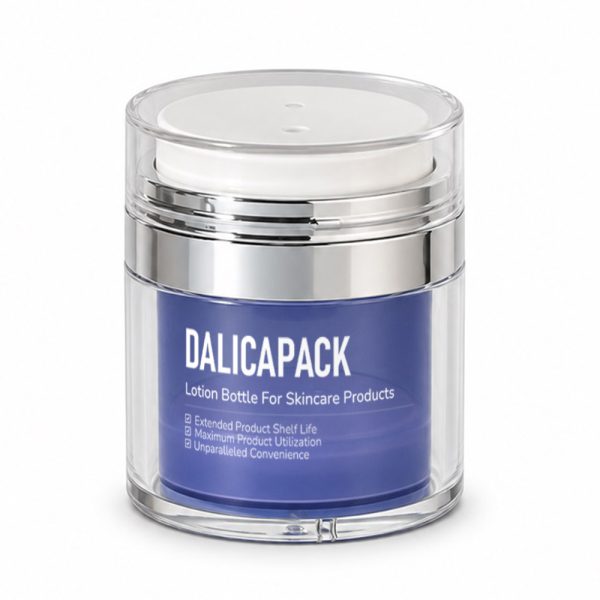
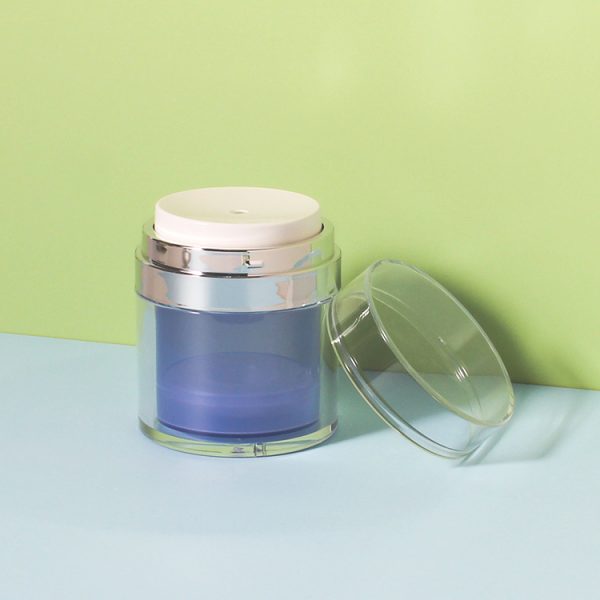
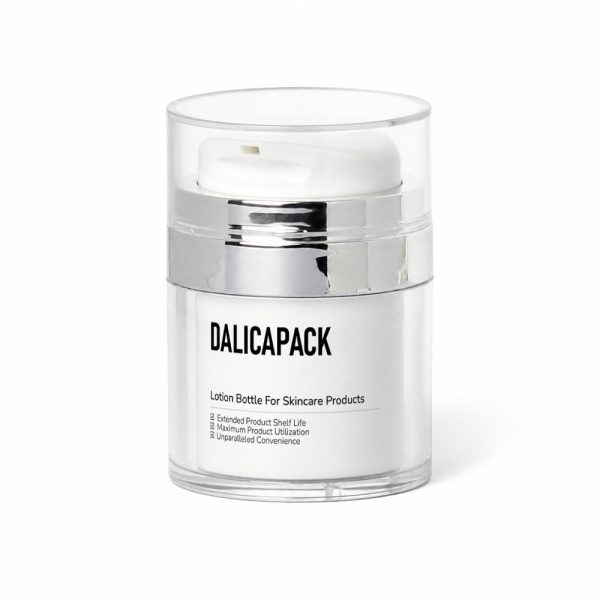

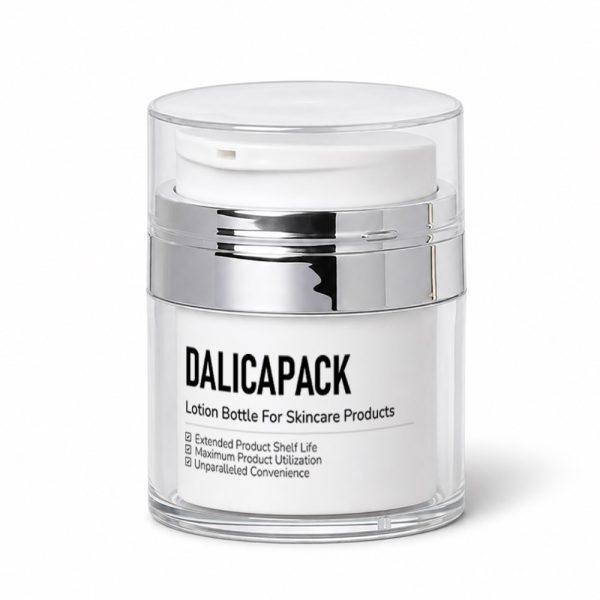
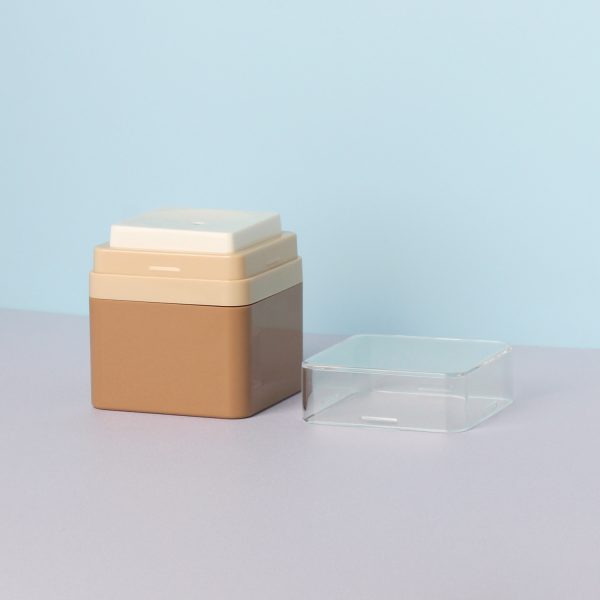

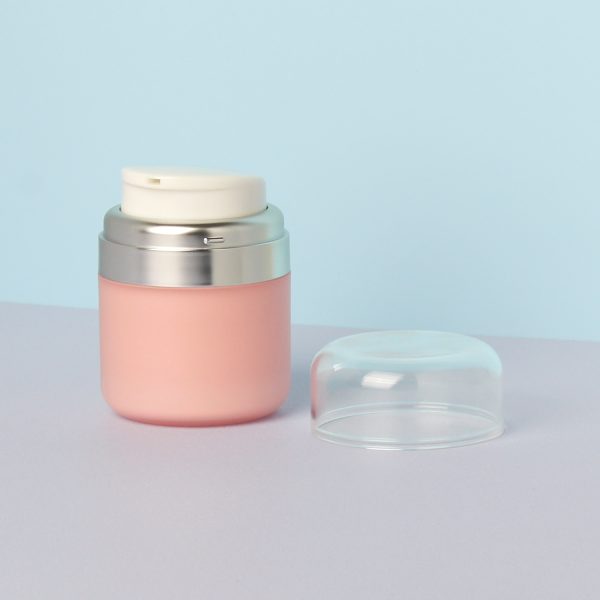


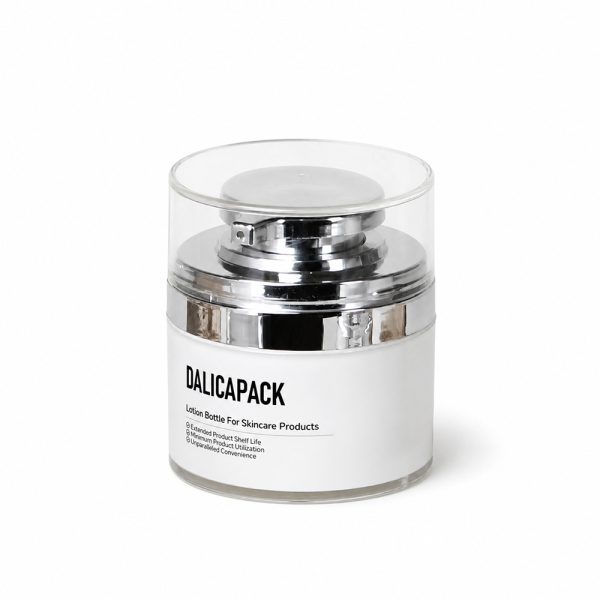
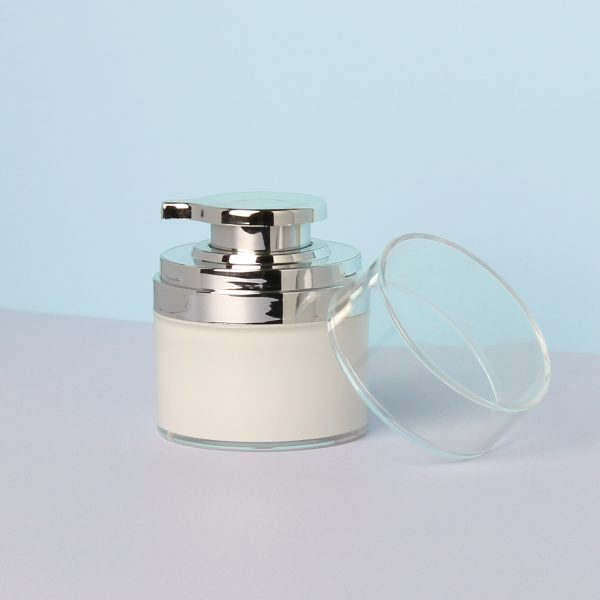
What Are Airless Jars and How Do They Work?
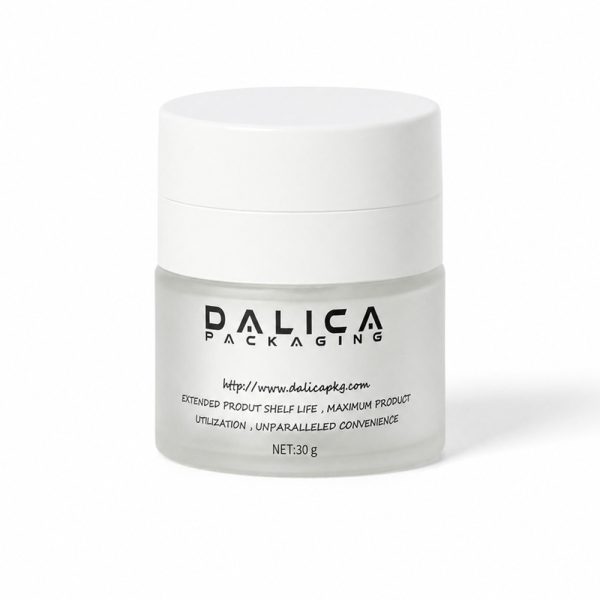
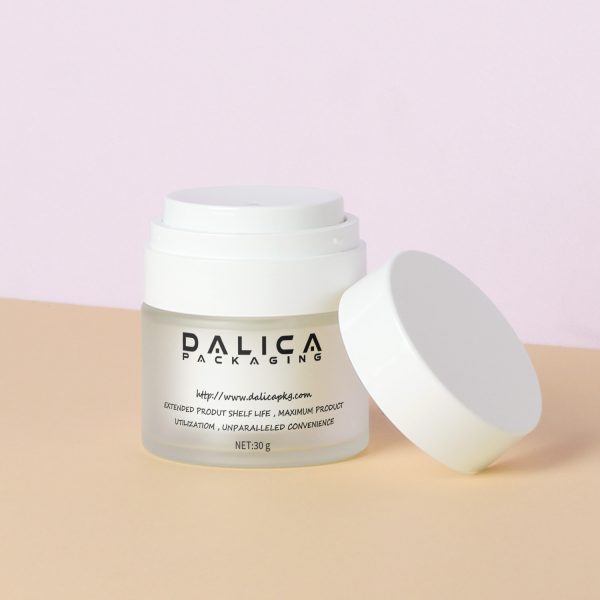
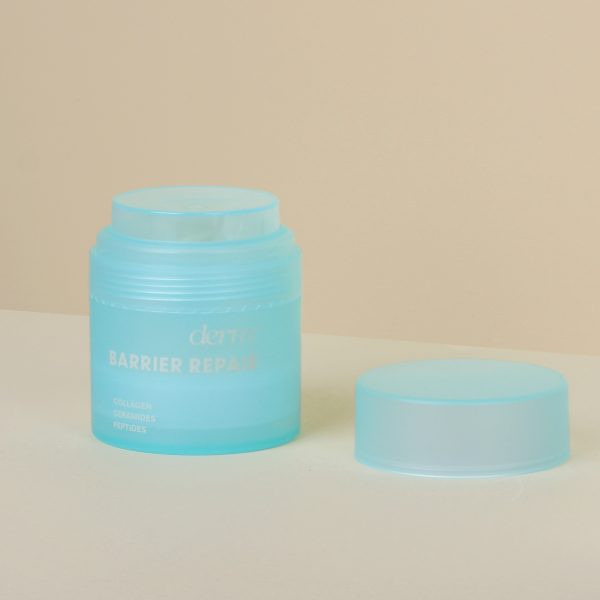
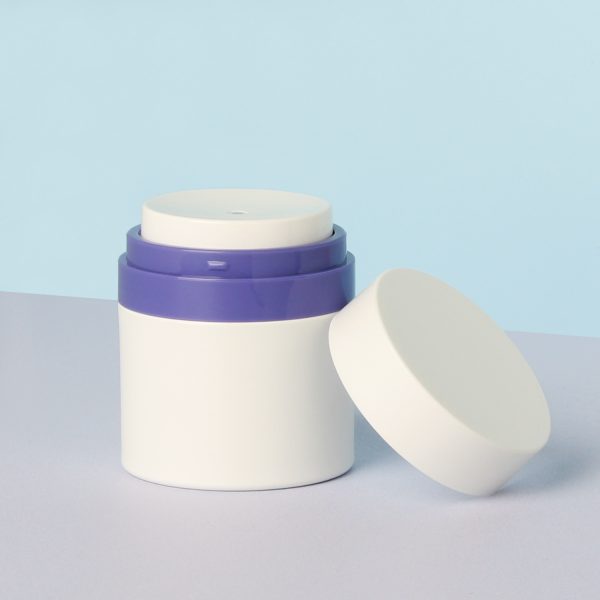
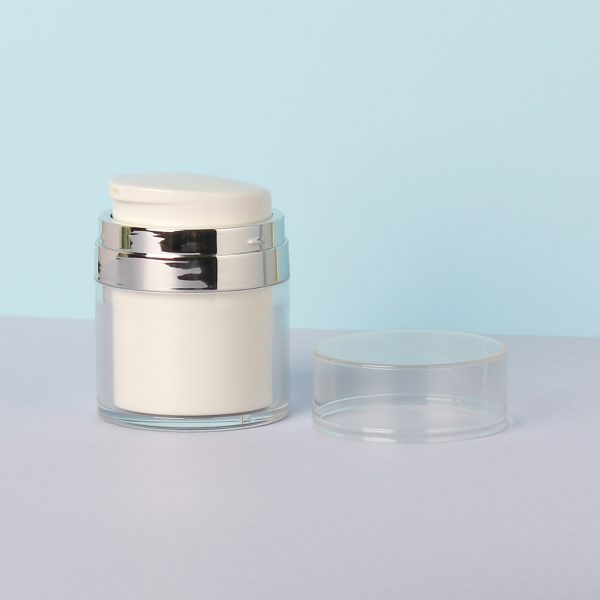
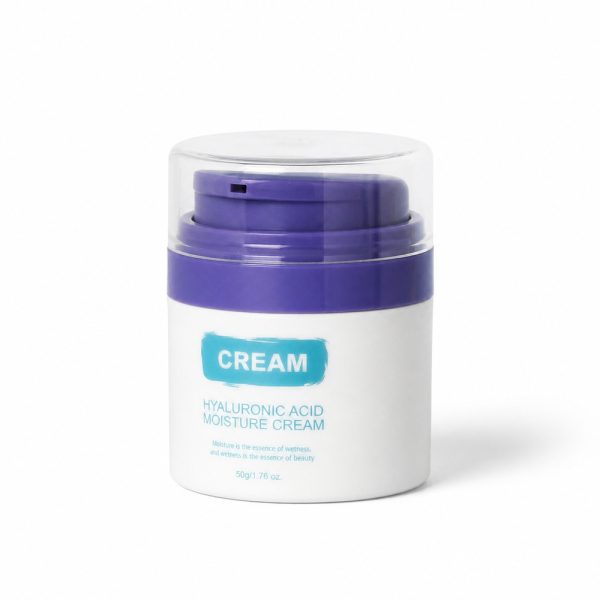
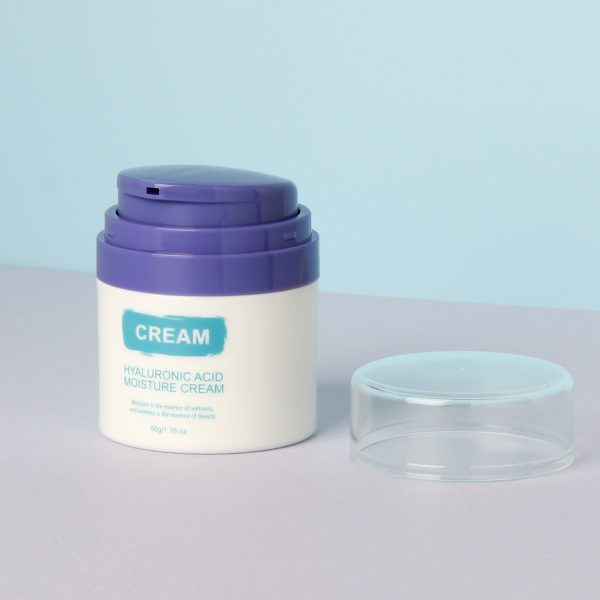
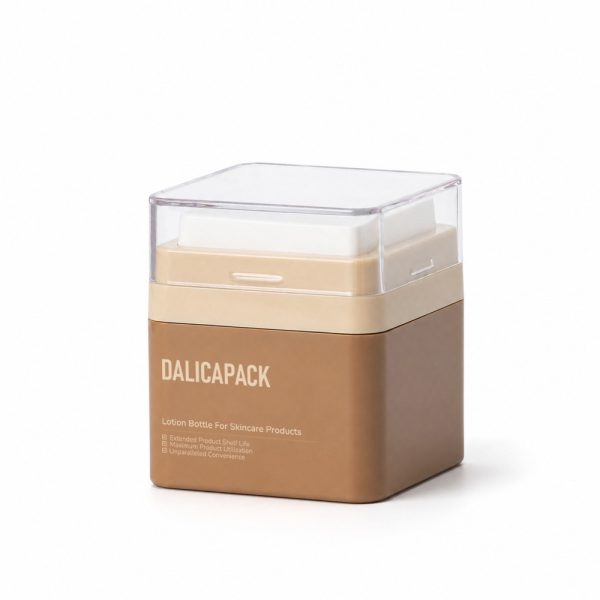
Airless jars represent a major leap forward in modern skincare packaging. Unlike conventional cosmetic containers that rely on dip tubes or open wells, airless jars use a non-pressurized mechanical system to dispense creams, gels, and lotions without exposing the contents to external air or contaminants.
1. The Vacuum Dispensing Mechanism
The core functionality of an airless jar relies on a precision-engineered vacuum piston mechanism:
- Piston Base: A disk-like piston sits at the bottom of the internal reservoir.
- Actuator Pressure: Pressing the top actuator creates a pressure differential inside the chamber.
- Upward Lift: Instead of pulling air into the container, the pressure drop forces the internal piston upward, pushing the cream through the dispensing orifice.
- Hermetic Seal: A one-way valve prevents ambient air, moisture, and dust from entering the chamber between uses.
2. Airless Jars vs. Traditional Cosmetic Jars
| Feature | Airless Jars | Traditional Open Jars |
|---|---|---|
| Air Exposure | Zero air ingress; preserves active ingredients | Constant exposure each time the lid is opened |
| Hygiene | Touch-free dispensing prevents bacterial growth | Finger dipping introduces dirt and microbes |
| Product Evacuation | Up to 98%+ formula yield via piston travel | Residual product remains trapped at edges |
| Oxidation Risk | Negligible; prevents formula discoloration | High; degrades sensitive organic compounds |
| Dosing Control | Metered pump output for consistent application | Inconsistent manual scooping |
3. Common Materials: Acrylic, PP, and PCR Plastics
Selecting the right material ensures structural integrity, chemical compatibility, and brand appeal:
- Polypropylene (PP): Highly compatible with diverse cosmetic formulations, lightweight, and durable. It provides excellent moisture-barrier properties and chemical resistance.
- Acrylic (PMMA): Delivers a premium, glass-like aesthetic with heavy-wall clarity. Acrylic outer shells provide luxury visual depth while housing an inner PP container for chemical safety.
- Post-Consumer Recycled (PCR) Plastics: Eco-conscious resins derived from recycled consumer waste. Incorporating PCR into the base or outer cap aligns product lines with sustainability targets without sacrificing functional durability.
Key Benefits of Airless Jar Packaging
We design airless jars to solve the most critical challenges in modern cosmetic packaging solutions: formula degradation, hygiene risks, and product residue. By isolating creams from environmental exposure, airless jar packaging delivers unmatched functional advantages for both brands and end users.
1. Zero Contamination and Formula Protection
Traditional open-mouth pots expose creams to airborne microbes, dust, and direct finger contact every time they are opened. Our airless jars utilize a sealed dispensing surface that isolates the bulk formula completely.
- No direct jar dipping: Eliminates bacterial cross-contamination from hands.
- Hermetic sealing: Blocks air, dust, and humidity from entering the reservoir.
- Active ingredient integrity: Keeps vulnerable compounds like retinol, vitamin C, and peptides fully stable from first use to the final dose.
2. Extended Product Shelf Life
Exposure to oxygen triggers oxidation, which alters the color, scent, and texture of premium formulations. Airless packaging stops ambient air from entering the chamber, significantly slowing oxidation rates. This allows brands to reduce or eliminate synthetic preservatives, making it the ideal skincare packaging choice for clean, organic, and clinical-grade formulations.
3. Maximum Product Evacuation with Minimal Waste
Standard cosmetic jars often leave 10% to 15% of the product trapped along the bottom edges and walls. Airless jars rely on a precision vacuum piston mechanism that travels upward with every pump, wiping the container walls clean.
| Performance Metric | Traditional Cosmetic Jar | Airless Jar System |
|---|---|---|
| Product Evacuation Rate | ~80% – 85% | Up to 98%+ |
| Air Contact | High (every opening) | Zero (hermetically sealed) |
| Dosing Accuracy | Inconsistent (finger scoop) | Measured, repeatable output |
| Risk of Oxidation | Rapid | Minimal |
By maximizing evacuation rates, these jars help brands meet global sustainability standards aimed at tackling packaging waste and give consumers full value for high-end skincare treatments.
4. Precise Dosing and Clean Dispensing
Our airless jars provide measured dispensing with a simple press of the actuator disk. Just like high-performance airless pump bottles, each actuation delivers an exact, repeatable dosage. This consistency prevents over-application, keeps the dispenser head clean, and creates a luxurious, mess-free daily user experience.
Types of Airless Jars Available
Dalica offers airless jars with different dispensing, refill and material features. These features can overlap: a capless jar may also have a replaceable inner container, for example. Choose the construction around the formula, filling process and intended user experience.
1. Top-Dispensing and Press-Top Airless Jars
Top-dispensing designs release formula through an outlet on the upper dispensing surface. A press-top actuator lets users dispense a portion without opening the main formula chamber for each use.
- Dispensing format: Review the top plate, outlet position and actuation method for the selected model.
- Typical applications: Face creams, moisturizers and selected masks or richer skincare textures, subject to dispensing tests.
- Selection checks: Confirm pump output, priming, surface cleanup and performance with the finished formula.
2. Refillable Airless Jars with Replaceable Inner Containers
Refillable models separate the reusable outer pack from a designated replaceable inner container. The retained components and refill assembly method depend on the model; a standard sealed airless jar should not be treated as refillable.
- Refill structure: Confirm which outer parts are retained and whether the pump is retained or supplied with each refill.
- Range example: Explore the slim refillable airless cream jar and confirm its compatible refill specification.
- Project planning: Review filling, sealing and replacement instructions alongside the weight of each refill and expected reuse.
3. Mono-Material PP Airless Jars
Selected mono-material designs focus on a single polymer family to reduce material complexity. The full specification should cover the outer pack, inner container, actuator and pump components rather than the visible jar body alone.
- Range example: The AJ01aM mono-material PP airless pump jar is an option to review for a PP-focused project.
- Material review: Confirm the complete component list, decoration and any available material documentation for the selected configuration.
- End-of-use guidance: Mono-material construction does not guarantee local collection or recycling acceptance; assess the finished pack for the intended market.
4. Capless Airless Jars
Capless models use an integrated top design without a separate removable overcap. This can make daily handling simpler, while the dispensing opening and protection features still need to suit the formula and intended use.
- Range example: The AJ13r capless refillable airless jar combines a capless format with a refillable structure.
- User experience: Review actuation, storage and cleanup of the dispensing surface.
- Performance checks: Confirm leakage resistance, outlet protection and any locking feature for the specific model rather than assuming all capless designs work alike.
Popular Applications for Airless Jars
Airless jars can be considered for moisturizing face creams, anti-aging creams, neck care and selected eye creams. Their jar format and press-to-dispense operation offer an alternative to opening a conventional pot for each application. For brands developing a coordinated skincare range, our premium cosmetic packaging options can complement different product textures and positioning.
1. Face Moisturizers & Hydrating Creams
Daily moisturizers are a key application to consider for airless jars, including hyaluronic acid creams, collagen moisturizers, gel-creams and richer barrier-care creams. A press-top format lets users dispense a portion onto the upper surface rather than scoop directly from the main product chamber.
- Product examples: Daily face moisturizers, hydrating day creams, nourishing creams and soothing barrier-care creams.
- Packaging priorities: Match the inner capacity, pump output and dispensing surface to the texture and expected amount per use. Lightweight gel-creams and richer creams should each be tested in the selected model.
2. Retinol & Anti-Aging Face Creams
Retinol creams, peptide creams and collagen-based anti-aging moisturizers are relevant product directions for this format. These products may be developed as daily moisturizers or richer night-care formulas, with texture and dispensing requirements varying by formulation. Airless dispensing may help limit repeated air exposure during use, while light protection depends on the materials, opacity and finish of the complete pack.
- Product examples: Retinol face creams, peptide moisturizers, firming face creams and nourishing night creams.
- Packaging priorities: Review formula compatibility, light-protection needs and pump performance together. The package alone does not establish ingredient stability, shelf life or a preservative-free claim.
3. Neck & Décolleté Creams
Airless jars are also a packaging direction for dedicated neck creams and face-and-neck moisturizers. These products may be positioned around hydration, a smoother-looking appearance or firming care. The dispensing format can support a repeatable daily routine without requiring users to remove the main dispensing assembly.
- Product examples: Neck moisturizers, firming neck creams and creams for the neck and décolleté.
- Packaging priorities: Choose a capacity and pump output that suit the application area. Check how easily the formula can be collected from the top plate and dispensed as the jar empties.
4. Eye Creams
Smaller-capacity airless jars can be considered for moisturizing, nourishing and anti-aging eye creams when the dispensing mechanism suits the formula. Eye-area products need particular attention to the amount delivered per stroke and the ease of collecting a small portion from the outlet.
- Product examples: Hydrating eye creams, nourishing eye creams and peptide eye creams.
- Packaging priorities: Verify a suitable dose, priming behavior and outlet cleanup with samples. For a range that needs a targeted applicator instead of a jar, an eye cream syringe bottle is another format to compare.
Selected sleeping masks and cream masks are further applications to evaluate when their texture can pass reliably through the chosen pump. Very stiff pastes or formulas with larger particles require individual assessment. Final selection should be based on dispensing, leakage, residual-product and material-compatibility checks with the finished formulation.
Customization and Branding Options
As a dedicated custom cosmetic packaging manufacturer, we know that high-performance packaging must also deliver exceptional shelf appeal. Customizing your airless jars allows you to showcase your brand identity while providing the premium experience your customers expect. We provide comprehensive decoration and finishing services tailored to luxury, clinical, and eco-conscious skincare lines.
1. Custom Color Matching and Surface Finishes
Achieving the exact visual tone for your brand identity begins with precise color execution. We match custom Pantone shades across all jar components, including the outer container, inner reservoir, and actuator cap.
- Matte and Soft-Touch Coatings: Create a velvet-smooth exterior that enhances consumer grip and elevates sensory perception through tactile cosmetic packaging.
- High-Gloss and Translucent Tints: Provide a clean, glass-like aesthetic with resilient, shatterproof plastic polymers.
- Metallization and Spray Gradients: Deliver mirror-like gold, silver, or rose-gold metallic finishes, as well as gradual ombre color fades for premium skincare packaging lines.
2. Silk Screen Printing and Hot Stamping
Clear labeling and fine graphic detailing ensure essential ingredient information, logos, and usage instructions remain intact throughout the product lifecycle.
| Decoration Method | Best Suited For | Key Visual Advantage | Durability |
|---|---|---|---|
| Silk Screen Printing | Bold logos, fine typography, single or multi-color artwork | Crisp edges with high opacity on curved surfaces | Resistant to oils, water, and daily handling |
| Hot Foil Stamping | Metallic accents, prestige logos, luxury branding lines | Reflective, mirror-finish foils in gold, silver, or holographic | High scratch resistance and premium shelf appeal |
| Heat Transfer Labeling | Complex photographic imagery and multi-color gradients | Full-color graphic reproduction applied in a single pass | Strong adhesion across PP and acrylic bodies |
3. Sustainable Packaging and Post-Consumer Recycled Options
Modern cosmetic packaging solutions require a balance between high-end performance and environmental responsibility. We engineer sustainable airless jars that reduce reliance on virgin plastics without compromising formula safety or package integrity.
- PCR Plastic Integration: Incorporate up to 100% Post-Consumer Recycled (PCR) PP or PET into outer jars and closures to lower carbon footprints.
- Monomaterial Designs: Simplify end-of-life recycling with fully polyolefin-based jar structures, eliminating difficult multi-material sorting.
- Reduced Material Weight: Optimize container wall thickness to lower overall resin usage and transport emissions while maintaining structural rigidity.
Frequently Asked Questions About Airless Jars
1. How do you fill and seal an airless jar?
Filling airless jars requires attention to formula volume to ensure the internal vacuum piston mechanism operates properly:
- Top-fill processing: Most airless jars are filled directly from the top. Dispense your cream or emulsion directly onto the resting piston base.
- Air gap management: Avoid creating large air pockets during filling; trapped air can disrupt the initial vacuum seal and cause priming delays.
- Sealing: Once the inner container reaches its target fill volume, snap or screw the pump assembly and press-plate securely onto the jar base to establish the airtight closure.
2. Can airless jars be refilled and reused?
Yes. Many contemporary designs are engineered specifically for circular lifecycles. Choosing a refillable airless pump jar allows end-users to keep the durable outer casing and simply replace the inner pod once the product is finished. For single-piece units, the piston can occasionally be pushed back down using a sanitized tool, similar to the process used when learning how to refill an airless bottle, provided the inner chamber remains fully sterilized to prevent formulation breakdown.
3. What are Dalica’s MOQ, sample terms and lead times?
Use the following ordering information when planning an airless jar project. Confirm the final model, decoration, artwork and schedule with the sales team.
- MOQ: Orders start at 5,000 sets per model. Complex finishing requirements need separate discussion.
- Existing samples: We can provide 3–5 available samples free of charge; the customer pays shipping.
- Custom samples: A sampling fee applies, depending on decoration requirements and quantity. Sampling generally takes 7–15 days, with variation by product and process.
- Production: For orders below 100,000 sets, production generally takes 30–35 days. Confirm the actual lead time with your sales contact; new tooling and complex finishes may affect the schedule.

 Chat on WhatsApp