
Showing all 10 resultsSorted by latest




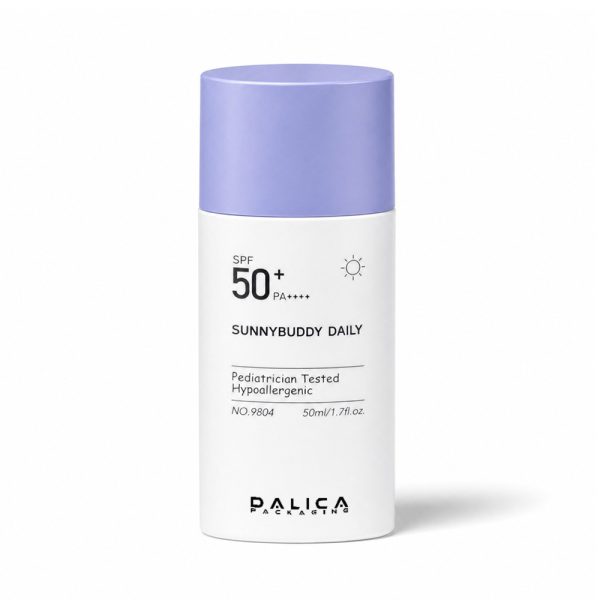
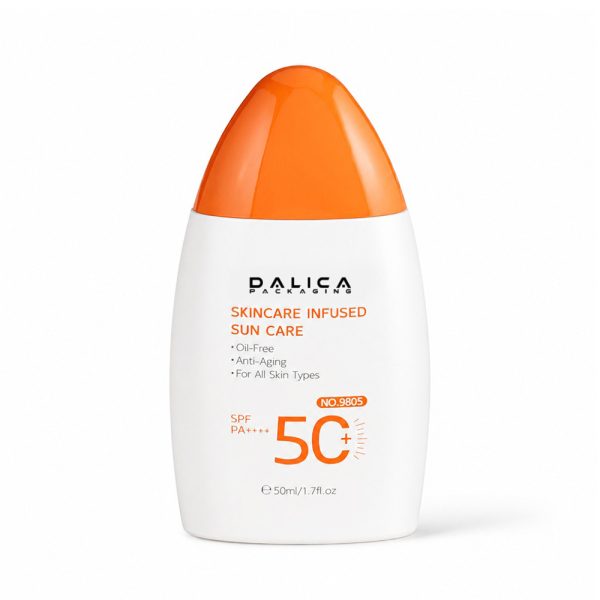
What Are Sunscreen Bottles?
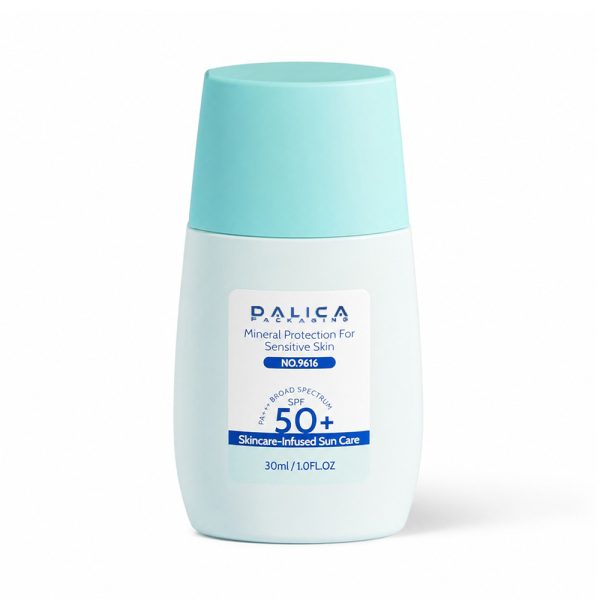
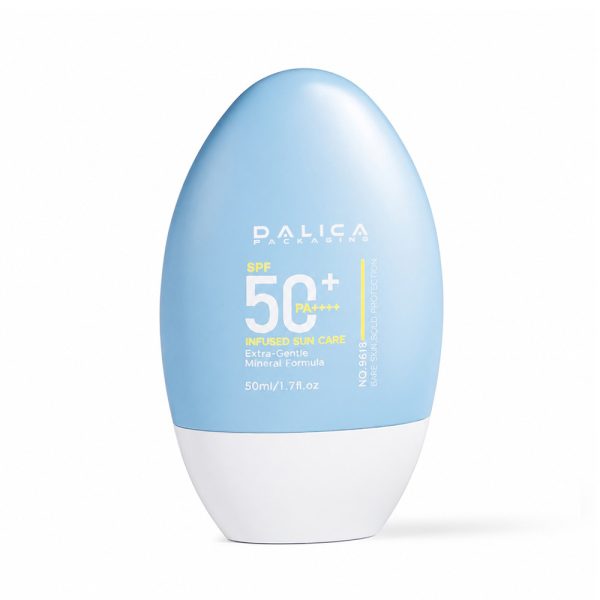
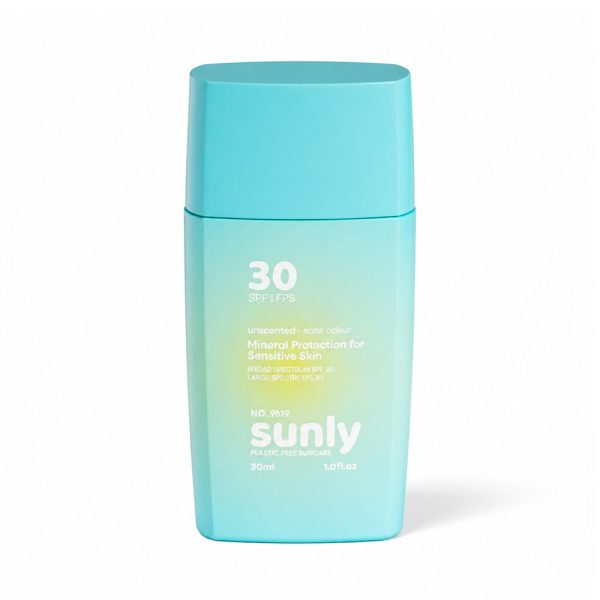
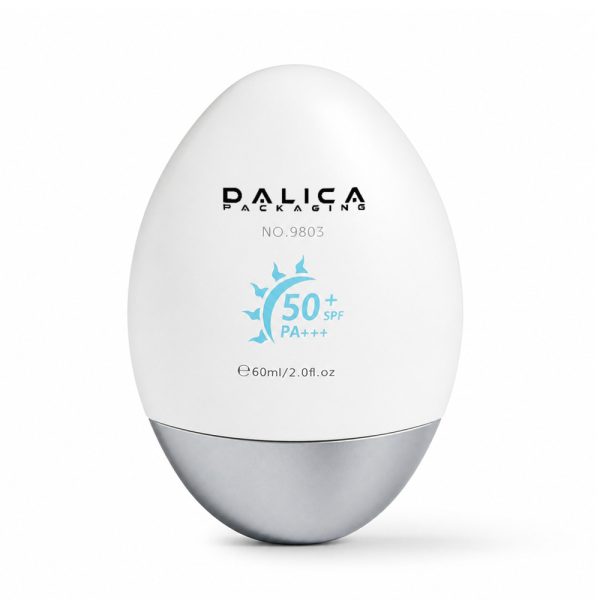
Sunscreen bottles are containers for sunscreen lotions, fluid sunscreens and other sun care formulas. Lightweight, squeezable HDPE (high-density polyethylene) makes them convenient for controlled dispensing, daily use and travel.
Our bottle bodies are produced through extrusion blow molding, including multilayer co-extrusion options. Each layer can serve a different purpose:
| Structure | Construction | Main Purpose |
|---|---|---|
| Single layer | HDPE or a blend of HDPE grades | Structure, squeezability and formula contact in one layer; no separate barrier layer |
| Two layers — soft touch | Soft-touch outer material / structural inner layer | A soft, fine exterior feel, with the inner layer providing the bottle structure and formula-contact surface |
| Three layers — appearance | EVOH outer layer / two supporting layers, as specified for the design | An appearance-oriented construction. Assess its complete structure and intended use; do not assume the barrier performance of a buried-EVOH bottle |
| Three layers — light blocking | Outer layer / light-blocking middle layer / inner layer | Separates exterior appearance, light protection and formula contact; light blocking does not by itself establish gas-barrier performance |
| Five layers — barrier | HDPE / tie resin / EVOH / tie resin / HDPE | A dedicated EVOH barrier helps limit oxygen, odors and permeation of certain substances, subject to formula and package testing |
Selected sunscreen shaker bottles can incorporate a steel mixing ball to help redistribute suitable shake-before-use formulas.
Advantages of Our Sunscreen Bottles
| Advantage | Packaging Feature | Practical Benefit |
|---|---|---|
| Easy to carry | Lightweight HDPE and compact formats | Convenient for daily routines, travel and outdoor activities |
| Controlled dispensing | Squeezable body and a suitable opening | Helps users dispense a manageable amount |
| Everyday durability | Resilient HDPE construction | Handles normal use with less risk of breakage than glass |
| Soft-touch feel | Two-layer soft-touch construction | A soft exterior with a separately specified structural, formula-contact inner layer |
| Appearance and light protection | Purpose-designed three-layer options | Supports exterior effects or a middle light-blocking layer, according to the selected construction |
| Reduced permeation | Five-layer EVOH barrier construction | Helps limit transmission through the bottle wall for suitable formulas |
| Leak-resistant assembly | Matched neck, closure and sealing design | Helps reduce leakage during storage and transport |
| Support for shaking | Optional steel mixing ball in selected designs | Helps redistribute suitable fluid formulas |
Bottle-wall barrier performance and closure sealing serve different purposes. Evaluate both with the actual formula and finished packaging.
What Are Sunscreen Bottles Used For?
1. Daily Facial Sunscreen
Compact square and oval formats can suit daily facial sunscreen. Match the dispensing opening and squeeze response to formula viscosity.
2. Sunscreen Lotions and Body Sun Care
Squeezable bottles can suit compatible sun lotions and portable body sun care products. The SS06 hanging loop sunscreen bottle offers a practical carrying feature. For pump-dispensed skin care projects, explore our lotion bottles.
3. Fluid and Shake-Before-Use Sunscreen
Confirm the mixing ball, bottle geometry and sufficient headspace, then test mixing and dispensing with your formula.
4. Other Sun Care and Skin Care Products
Subject to compatibility testing, these designs may also suit after-sun lotions, moisturizers with SPF and other fluid skin care products.
Sunscreen Bottle Capacities and Specifications
This collection offers selected capacities from 30ml to 60ml, with upright, inverted, square, oval, egg-shaped and hanging-loop designs. Available volumes vary by model.
Request the selected model’s technical drawing to confirm nominal fill capacity, brimful capacity, dimensions, neck finish, dispensing opening and decoration area. Allow suitable headspace for shaking and check compatibility with your filling equipment and cartons.
Custom Sunscreen Bottles
1. Shape, Color and Material Structure
Discuss bottle shape, custom color, wall thickness, squeeze feel and the layer structures outlined above. Extrusion blow molding forms the hollow bottle body; multilayer co-extrusion combines materials with different functions. Confirm the complete layer sequence and formula-contact material before approval.
2. Printing and Surface Decoration
Screen printing, hot stamping and labeling can be evaluated for the selected bottle. Share artwork early to confirm the printable area, color targets and finish. Check surface preparation and decoration adhesion on representative samples.
3. Shaker Bottle Configuration
Selected designs can incorporate a steel mixing ball. Confirm its material, size and quantity alongside fill volume and mixing headspace. Test the complete configuration for compatibility, mixing, dispensing and user experience.
How to Choose Sunscreen Bottles
1. Start with Your Formula
Share the formula type, viscosity, light sensitivity and known barrier needs. Choose the material structure by function: soft touch, appearance, light blocking or a dedicated barrier.
2. Match Dispensing to Viscosity
A thin sunscreen fluid may need a smaller opening, while a thicker lotion may require a different opening and squeeze response. Test with the finished formula.
3. Select Capacity, Shape and Portability
Compare compact square formats, the SS01 inverted sunscreen squeeze bottle and hanging-loop designs. Review actual dimensions, grip and closure security alongside the intended fill volume.
4. Confirm Whether Shaking Is Required
For shake-before-use products, evaluate a suitable shaker configuration. Check mixing-ball compatibility, headspace and redistribution during normal use.
5. Approve Filled Samples
Evaluate formula compatibility, leakage, dispensing, light or barrier requirements and decoration adhesion under intended storage and transport conditions. Finalize model, capacity, colors, artwork and quantity before production.
Sunscreen Bottle FAQs
1. What is the difference between single-layer and multilayer sunscreen bottles?
Single-layer HDPE provides structure, squeezability and formula contact. Multilayer designs can provide a soft-touch exterior, appearance effects, light blocking or a dedicated barrier, depending on their complete construction. Layer count alone does not establish barrier performance.
2. Are sunscreen bottles leak-resistant and suitable for travel?
Lightweight HDPE bottles are convenient to carry. Matched closures and seals help reduce leakage, while suitable barrier structures help limit permeation through the bottle wall. Test the finished package with your formula.
3. What sunscreen bottle capacities are available?
The collection offers selected capacities from 30ml to 60ml in upright, inverted, square, oval and other compact formats. Confirm available fill volumes and dimensions for your chosen model.
4. Can I customize the bottle, decoration and mixing ball?
Custom colors, screen printing, hot stamping and labeling can be evaluated for the selected model. Selected shaker bottle configurations can incorporate a steel mixing ball. Share your formula, material structure and artwork requirements to confirm the options.
5. What is the minimum order quantity?
The minimum order quantity is 10,000 pieces for single-layer sunscreen bottles and 30,000 pieces for multilayer sunscreen bottles.
6. Can I request samples for testing?
Yes. Request available stock samples for compatibility, dispensing and sealing tests. Custom or decorated samples may involve additional charges and preparation time. Confirm sample availability and shipping costs with our team.
7. What is the production lead time?
Production lead time is 30–35 days after sample, artwork and order specifications are approved. Confirm the production schedule with our team; shipping time is additional.

 Chat on WhatsApp