
Showing 1–12 of 27 resultsSorted by latest
-

-
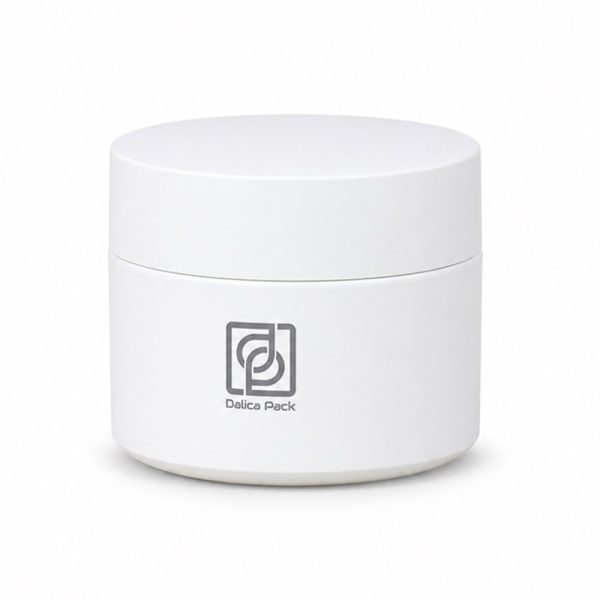 Plastic Cosmetic Jars
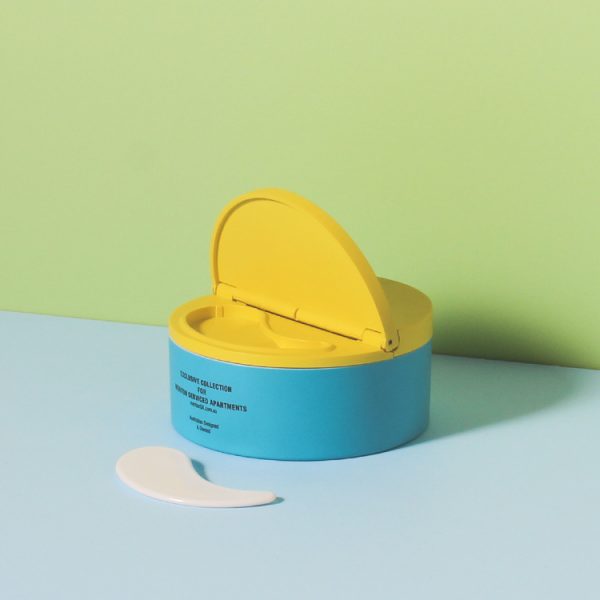
CJ01 50–100g Calcium Carbonate-Based Plastic Cream Jar with Spatula
Add To Quote -
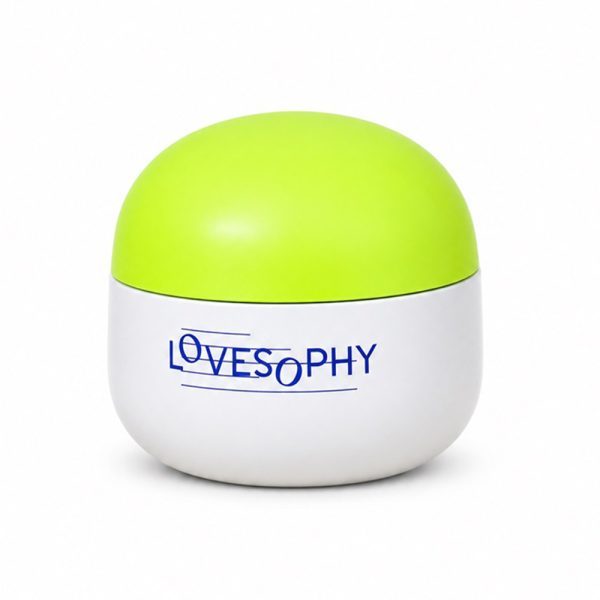 Plastic Cosmetic Jars
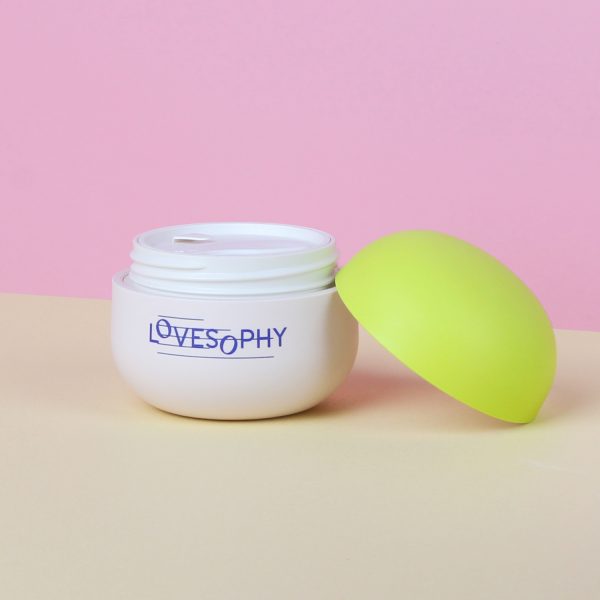
CJ02 50–100g Ball-Shaped Calcium Carbonate-Based Cream Jar Packaging
Add To Quote -

-
-
-
-
-

-

-
-




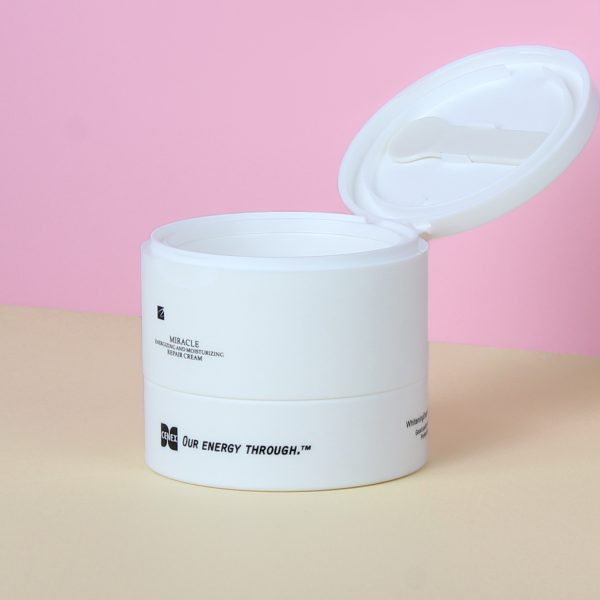

What Are Plastic Cosmetic Jars?
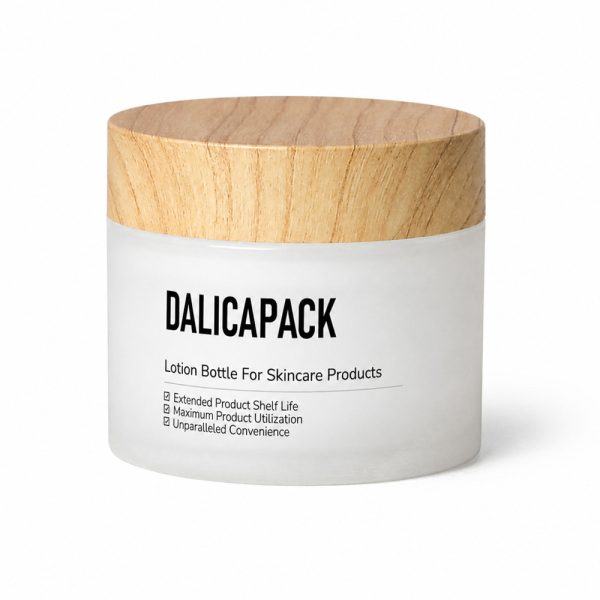
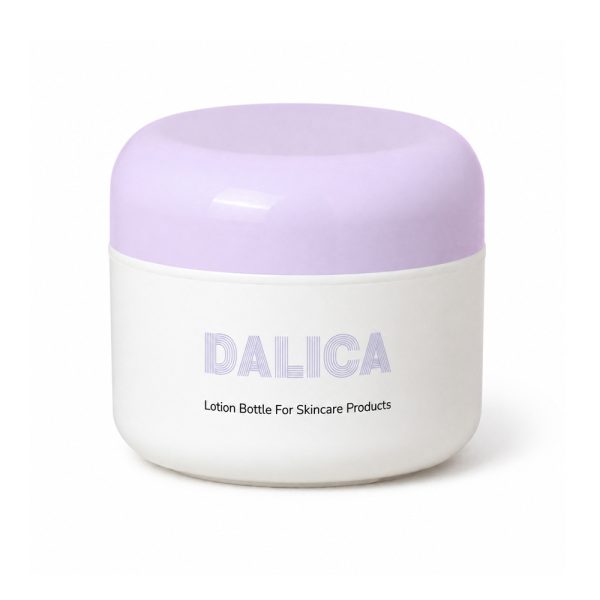
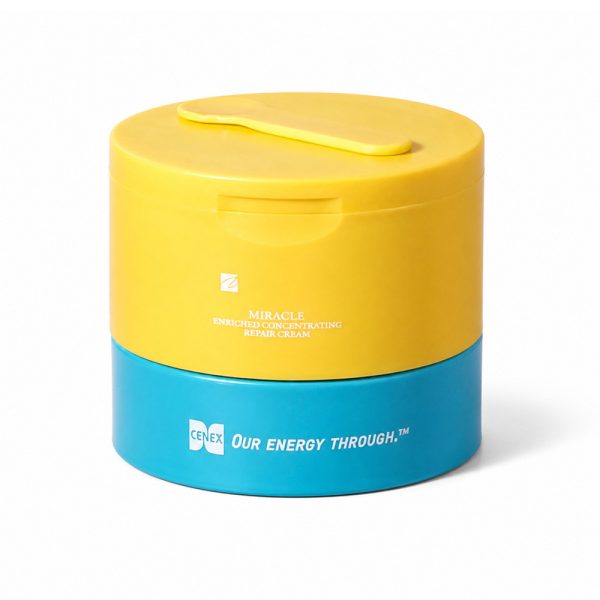
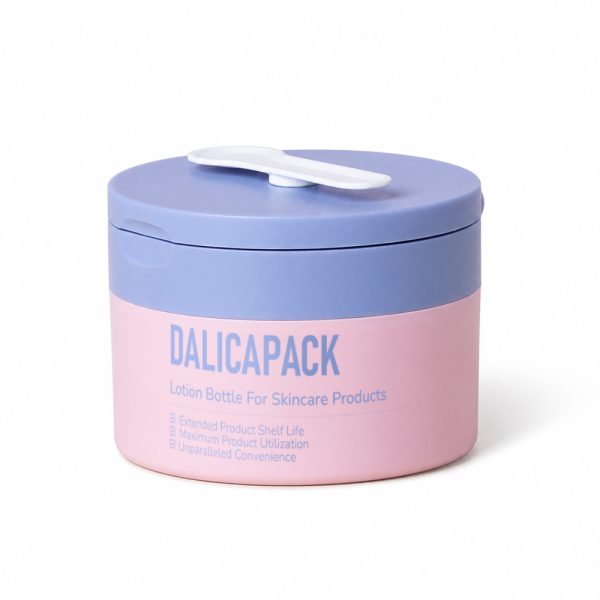
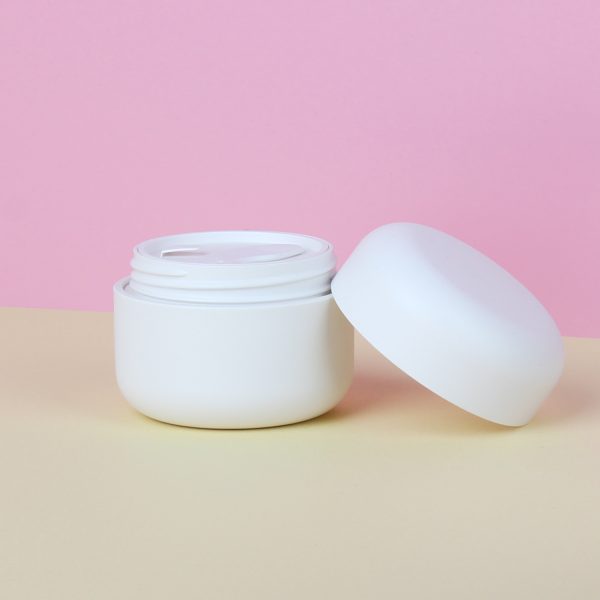
Plastic cosmetic jars are wide-mouth containers for creams, balms, masks, body butters, and toner pads. They offer easy product access, versatile decoration options, and a choice of lightweight, double-wall, or thick-wall designs. Dalica’s collection includes PP, PET, and PETG jars, with selected models featuring replaceable inner containers, flip-top lids, or magnetic spatulas to support different skincare routines.
Types of Plastic Cosmetic Jars
1. By Capacity and Application
The right jar size depends on the formula, usage rate, and intended product positioning. These volume ranges provide a starting point; available sizes vary by model.
| Application | Typical volume | Packaging priorities |
|---|---|---|
| Eye creams and concentrated treatments | Approximately 5–15 ml | Compact dimensions and controlled product access |
| Face creams and moisturizers | Commonly 15, 30, and 50 ml | Comfortable handling and a consistent range appearance |
| Masks and cleansing balms | Often 50–100 ml or larger | Scooping access, compatibility, and sealing |
| Body creams, body butters, and scrubs | Commonly 100 ml and above | Wide openings and practical grip |
| Toner pads | Selected by pad dimensions and count | Internal diameter, stack height, liquid retention, and accessory clearance |
Volume and filling weight are different measurements. Several Dalica models are listed in grams. Formula density and required headspace determine actual filling weight; a jar marked 100 g should not automatically be treated as a 100 ml container.
2. By Material and Construction
PP cosmetic jars: Polypropylene supports single-wall, double-wall, and refillable structures. Single-wall jars offer a straightforward construction, while double-wall designs create a more substantial appearance. Refillable models allow compatible inner containers to be replaced.
PET cosmetic jars: PET combines product visibility with relatively lightweight packaging. The PJT02 lightweight PET body cream jar and PJT08 PET jar with a magnetic spatula are options for larger body care projects.
PETG cosmetic jars: PETG supports clear, thick-wall designs. The PJT01 thick-wall PETG gel jar is an example to evaluate when clarity and visual depth are priorities.
Acrylic cosmetic jars: Acrylic, also known as PMMA, is often used for a clear outer shell with a separate inner container. Explore our acrylic cream jars when comparing premium outer-shell designs. Confirm the product-contact material separately.
3. By Closure and Function
- Screw-top jars: A familiar format for creams, masks, and balms. Thread fit, closure torque, and liner selection affect sealing.
- Flip-top jars: Convenient for repeated opening. PJ16 toner pad jars and PJ07 refillable cream jars are examples to evaluate.
- Jars with spatulas: Support scooping with reduced direct finger contact. Magnetic storage keeps the tool with the package.
- Refillable jars: Use replaceable inner containers. Evaluate refill retention, removal, and replacement during sampling.
- Toner pad jars with retrieval accessories: Can accommodate tweezers or similar tools. Confirm accessory availability, storage position, and pad fit for the selected configuration.
Popular Plastic Cosmetic Jar Options
These frequently requested options cover coordinated skincare packaging, refill systems, cream application, and toner pad storage.
- J49r-L49r Essentials Skin Care Set: A starting point for developing a cream product alongside a matching skincare range.
- PJ15r Mono PP Refillable Cream Jar: Listed in 50–100 g formats, for projects prioritizing a replaceable inner container and material consistency.
- PJ08 Magnetic Spatula Cream Jar: Listed in 100–150 g formats, combining convenient scooping with integrated accessory storage.
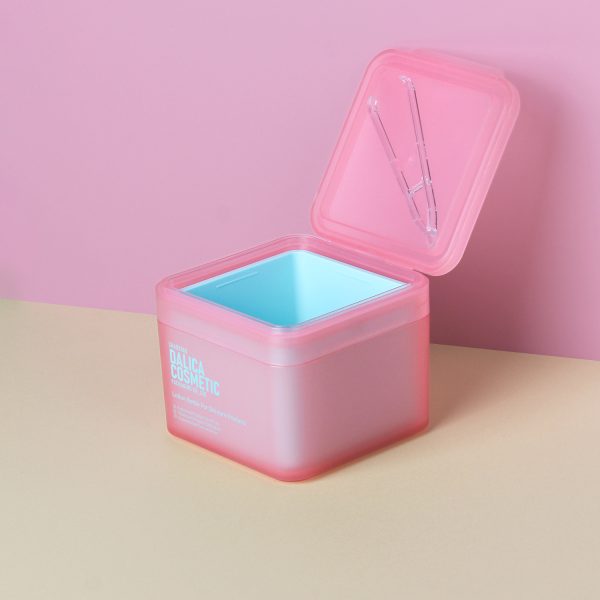
- PJ05 Refillable Toner Pad Jar: A square refillable format listed at 300 g, for pre-soaked pad packaging.
Confirm components, dimensions, and filling capacity for the chosen model before final selection.
Customization Options for Plastic Cosmetic Jars
1. Custom Colors and Transparency
Coordinate the body, lid, and inner container with your brand palette. Depending on the model, options may include opaque colors, translucent effects, or clear components. Review physical samples when matching different materials across a collection.
2. Surface Finishes and Decorative Effects
Selected components can be evaluated for glossy or matte finishes, sprayed colors, gradients, soft-touch coatings, and metallic effects. Suitability depends on the material, component shape, and intended use. Outer-component finishes should not be assumed suitable for product-contact surfaces.
3. Logo Printing, Hot Stamping, and Labels
- Silk-screen printing places logos and relatively simple graphics directly onto suitable surfaces.
- Hot stamping adds foil accents to selected areas, such as a brand name or lid detail.
- Labels provide space for ingredients, directions, variants, and market-specific information.
Check artwork against the actual decoration area. Curvature, lid geometry, and surface texture affect placement and achievable detail.
4. Closures, Inner Containers, and Accessories
Depending on the model, options may include lid combinations, liners, sealing discs, refill containers, spatulas, or tweezers. Approve the complete package and check accessory storage, lid clearance, refill installation, and decoration durability before production.
How to Choose the Right Plastic Cosmetic Jars
1. Start with the Finished Formula
Share the application, formula characteristics, and filling conditions. Oils, fragrances, solvents, and filling temperature can affect material and sealing requirements. Test the complete filled package for compatibility, leakage, appearance changes, and storage performance.
2. Confirm Capacity and Usable Dimensions
Choose the target net content, then confirm usable capacity and headspace. Assess scooping access for creams and balms. For toner pads, check pad diameter, stack height, liquid content, and tool clearance; PJ05 is a relevant starting point.
3. Match the Structure to the Product Experience
Single-wall jars suit practical everyday ranges, while double-wall or thick-wall designs provide a more substantial presentation. Consider PJ08 when an included spatula is part of the experience. Check how easily the tool is removed, used, and returned.
4. Plan the Refill System
Evaluate the outer package and replacement container as one system. With options such as PJ15r, confirm refill retention, removal, replacement, and supplied components. Recycling acceptance depends on the complete package and local collection systems.
5. Coordinate Branding, Budget, and Production
Review the jar, lid, accessories, artwork, and decoration as a complete specification. Complex finishes affect cost and timing. For coordinated launches, compare the J49r-L49r skincare set alongside individual jars. Approve physical samples before confirming production specifications.
Frequently Asked Questions
1. Which material is best for my cosmetic jars?
PP is a practical choice for single-wall, double-wall, and refillable jars. PET offers lightweight transparency, while PETG supports clear, thick-wall designs. Choose according to your formula, desired appearance, and budget, and confirm compatibility through sample testing.
2. Which models should I consider for my project?
Consider PJ15r for refillable cream packaging, PJ08 for magnetic spatula storage, and PJ05 for refillable toner pad packaging. The J49r-L49r skincare set is worth exploring for a coordinated product range.
3. Can I customize the colors, finishes, and logo?
Yes. Options can include custom colors, glossy or matte finishes, silk-screen printing, hot stamping, and labels. Availability depends on the material and model; decorated samples should be approved before production.
4. What is the minimum order quantity?
The standard MOQ is 10,000 units. Confirm the requirements for each model, size, color, and decoration when requesting a quotation.
5. Can I get samples before ordering?
3–5 existing samples are available free of charge, with shipping paid by the customer. Customized samples are chargeable, with fees and preparation time confirmed according to your requirements.
6. How long does production take?
Production generally takes around 35 days after final specifications, artwork, colors, and samples are approved. Timing varies with order quantity and customization; shipping time is additional.

 Chat on WhatsApp