
Showing 1–12 of 36 resultsSorted by latest
-
-

-
-
-
-
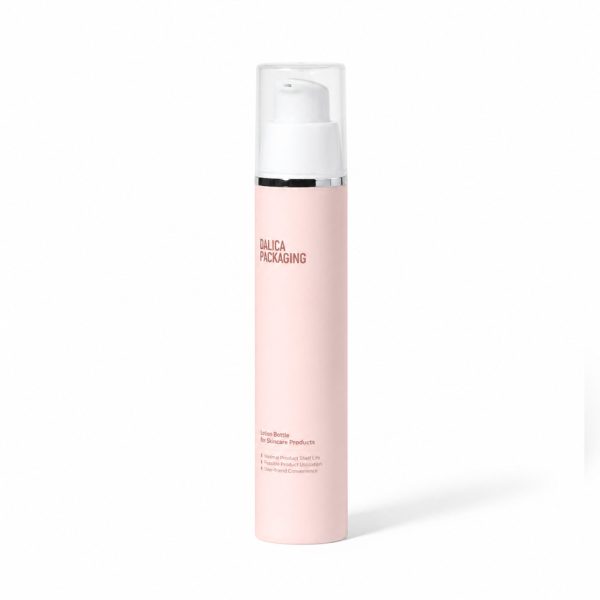
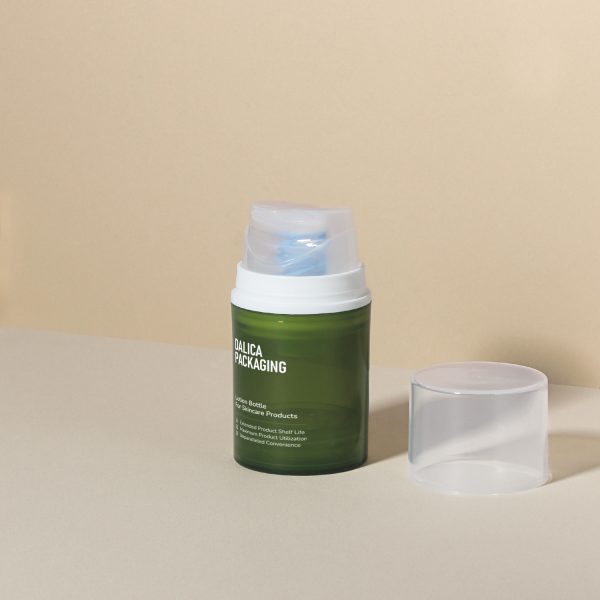
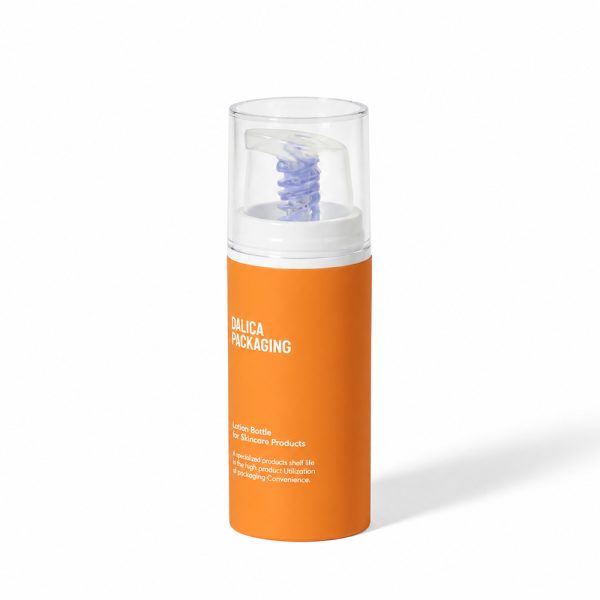 Sustainable Airless Bottles
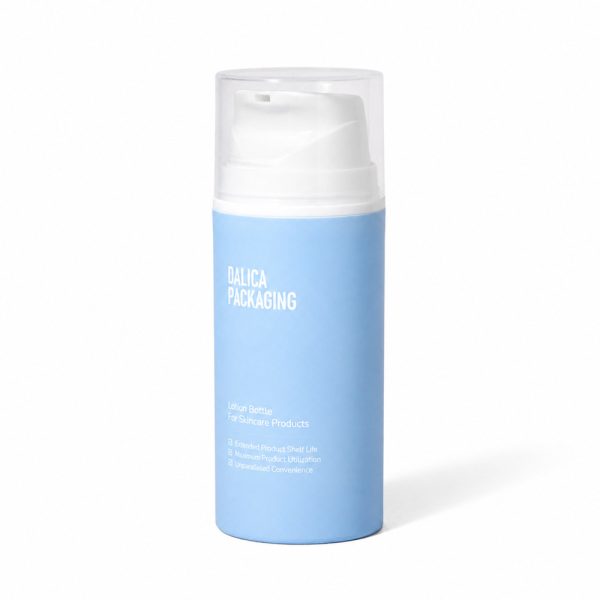
AP05M Eco-Conscious Mono-Material PP Airless Bottle 15ml, 30ml & 50ml
Add To Quote -
-
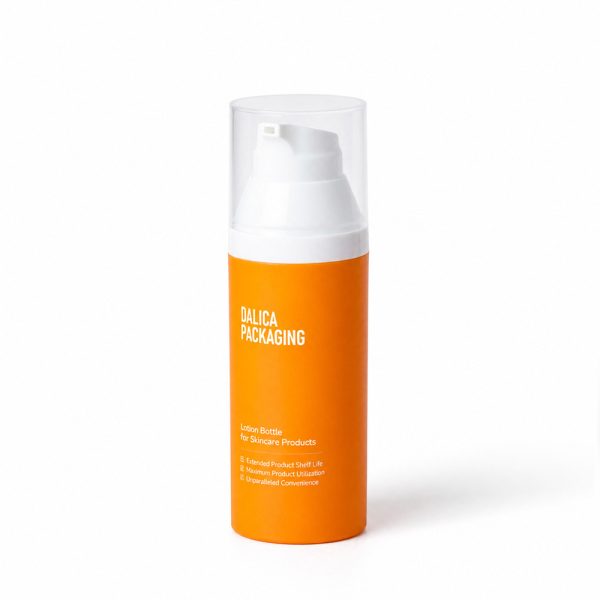
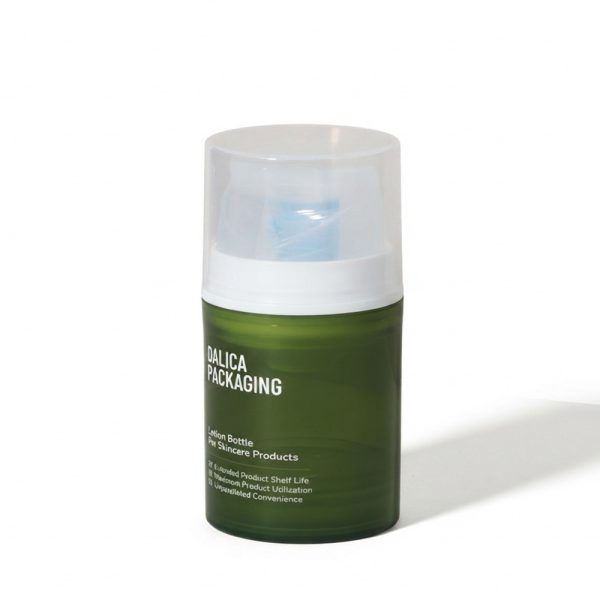 Sustainable Airless Bottles
AP07aM Sustainability-Focused Large All-Plastic Airless Bottle 100ml, 150ml & 200ml
Add To Quote -

-

-
-
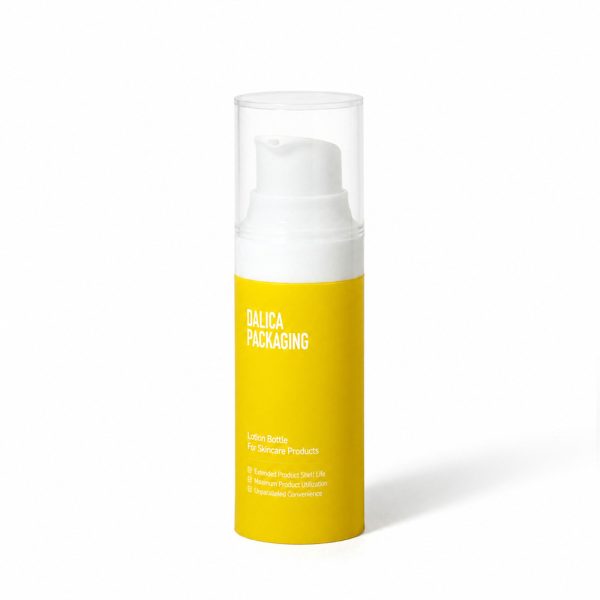
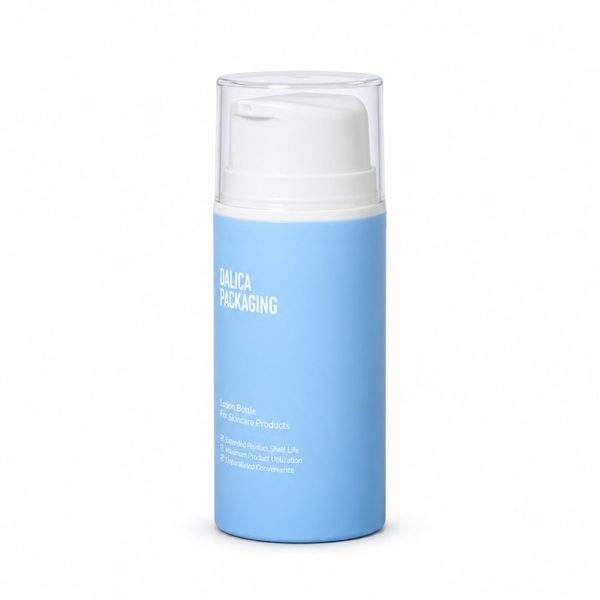
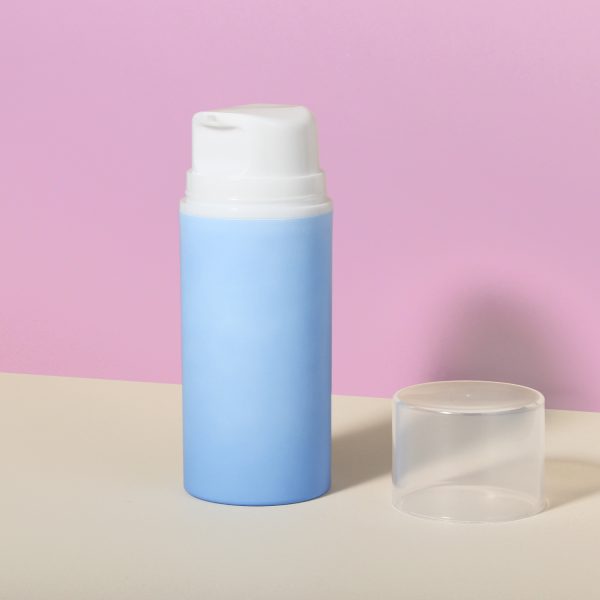
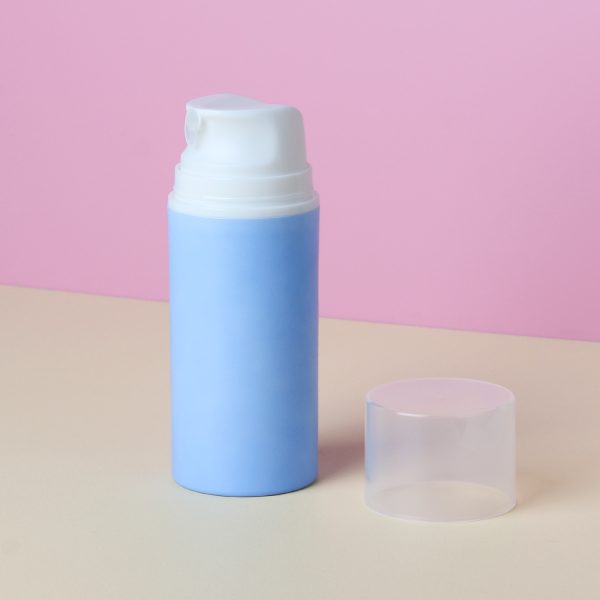
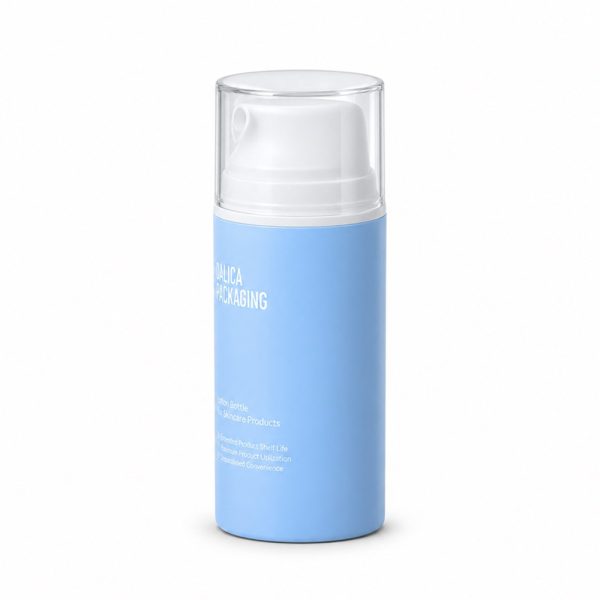 Sustainable Airless Bottles
AP07f Airless Lotion Bottle 30ml, 50ml & 100ml with Self-Sealing Outlet
Add To Quote


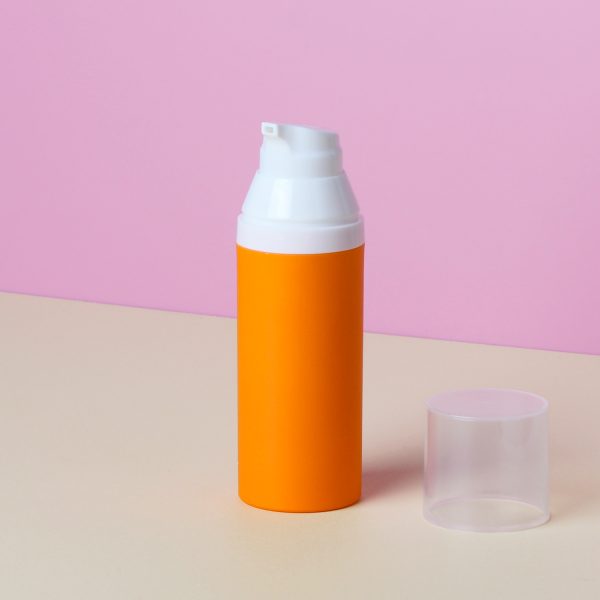

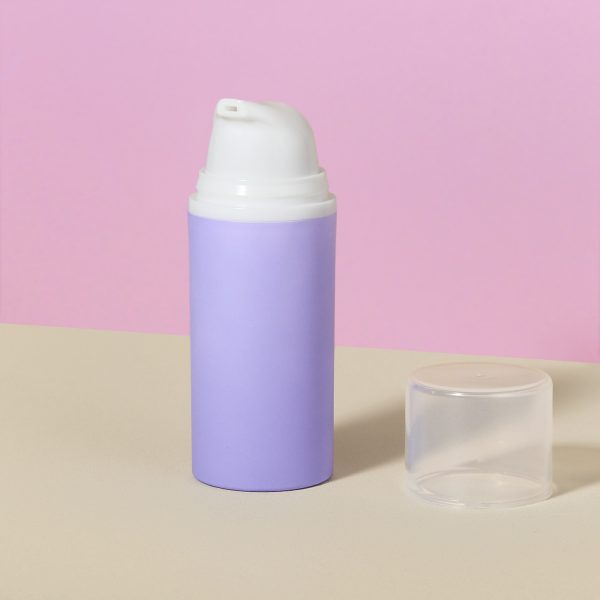

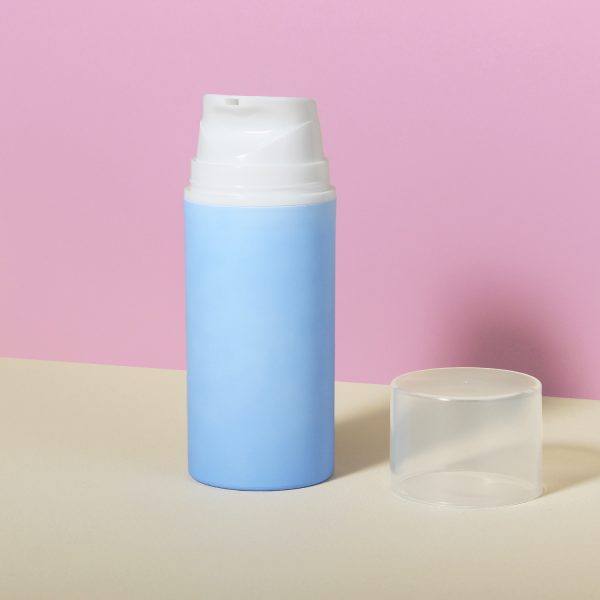


What Are Sustainable Airless Bottles?
Sustainable airless bottles combine non-pressurized airless dispensing with material and design choices intended to reduce packaging waste. Options include post-consumer recycled (PCR) resin, mono-material construction and refillable systems. Airless dispensing helps limit air exposure during use; its environmental benefits depend on the complete pack, how it is used and the recycling facilities available in the target market.
1. Understanding Airless Pump Technology
Unlike a conventional dip-tube pump, a piston-based airless bottle uses a moving internal barrier to compensate for the formula dispensed. Some other airless designs use a flexible pouch.
- Piston-driven mechanism: A disc at the base rises as product is dispensed, keeping the remaining formula available to the pump.
- Reduced air exposure: The product chamber shrinks without drawing replacement air directly into the formula. This does not mean the package eliminates all oxygen transmission or contamination risks.
- Controlled delivery: The pump dispenses a measured amount per full stroke. Priming, output and product residue depend on the selected mechanism and formula.
2. What Makes Airless Packaging Sustainable?
Airless technology alone does not make a bottle sustainable. The following design choices address different parts of its environmental impact:
- Mono-material construction: Using a single polymer family can reduce material complexity. Assess the complete pump, piston, bottle, labels and decoration before making a recyclability claim.
- PCR plastic integration: Replacing part of the virgin resin with verified post-consumer recycled resin reduces demand for new plastic in those components.
- Refillable modular systems: A reusable outer container and replaceable inner pod can reduce packaging replaced on repeat purchases. Savings depend on component weights and the number of actual refills.
- Efficient use of the formula: A suitable dispensing system can reduce product left inside the pack. Confirm performance with the finished formulation.
3. Difference Between Traditional Pumps and Airless Dispensers
| Feature | Traditional Dip-Tube Pump | Sustainable Airless Dispenser |
|---|---|---|
| Dispensing mechanism | Draws product through a dip tube | Uses a rising piston or contracting pouch |
| Air exposure | Replacement air normally enters the bottle | Helps limit replacement air entering the product chamber |
| Product residue | Depends on bottle geometry, dip tube and formula | Can reduce residue; verify by testing |
| Material structure | May contain mixed plastics and a metal spring | PP-rich, PCR and selected mono-material options are available |
| Formula protection | Depends on the complete package and preservation system | Reduced air exposure may benefit sensitive formulas; shelf life requires testing |
Key Benefits of Sustainable Airless Packaging
Sustainable airless packaging can combine convenient dispensing with more considered material use. The practical value comes from matching the package to the formula and choosing environmental features that can be supported with evidence.
1. Extended Shelf Life and Formula Protection
Some cosmetic ingredients, including certain forms of vitamin C and retinoids, are sensitive to oxidation. Limiting air exposure during dispensing can help protect these formulations. Light protection is a separate requirement and depends on bottle opacity, materials and any protective finish.
- Reduced oxidation exposure: Airless dispensing helps limit repeated air exchange, rather than guaranteeing zero oxidation.
- Preservation assessment: Airless packaging does not automatically permit fewer preservatives. The finished formulation and packaging need an appropriate microbiological safety assessment.
- Hygienic handling: Pump dispensing reduces the need to open the bottle or dip fingers into the remaining product. It does not make the contents sterile.
2. Minimal Product Waste with High Evacuation Rates
A rising piston moves the remaining formula toward the pump as the bottle empties. This can improve access to the contents, especially when the pump and container suit the formula’s flow. Evacuation rates should come from model-specific testing rather than a general percentage applied to all airless bottles.
| Dispenser Feature | Standard Dip-Tube Pump | Sustainable Airless System |
|---|---|---|
| Evacuation performance | Depends on dip-tube position, geometry and formula | Depends on piston travel, pump design and formula |
| Air contact during dispensing | Usually admits replacement air into the bottle | Limits replacement air entering the product chamber |
| Dispensing angle | Often relies on the dip tube remaining immersed | Some designs support varied angles; confirm the model |
| Residual product | Measure under agreed test conditions | Compare under the same conditions before making waste-reduction claims |
For a meaningful comparison, use the same formulation, fill volume and end-of-use test method. This provides a firmer basis for product claims and customer expectations.
3. Reduced Environmental Footprint
Dalica’s products in this category use a high proportion of polypropylene (PP), with conventional functional components such as metal springs in some models. Selected mono-material designs replace the metal spring with a plastic spring. PCR content and refill options can be discussed for the chosen construction.
Packaging policy is also encouraging brands to review material use, recycled content and recyclability. The EU’s Packaging and Packaging Waste Regulation (PPWR) is an adopted regulation with phased requirements. A PP or PCR bottle is not automatically compliant: assess the finished pack, applicable deadlines and target-market requirements. Carbon-reduction claims need a defined comparison and supporting assessment.
4. Precise and Consistent Dosing
A suitable pump provides controlled dispensing for daily skincare. Confirm the required amount per stroke, priming behavior and performance at different fill levels with the actual formula. Output and upside-down operation vary by model; packaging selection alone cannot guarantee treatment results.
Types of Eco-Friendly Airless Bottles
Different sustainable airless bottle designs address different goals. PCR content concerns material origin, mono-material construction concerns material compatibility, and refilling concerns repeated use. These features can be combined, but none replaces a review of the complete package.
| Packaging Type | Material / Construction | Potential Advantage | What to Confirm |
|---|---|---|---|
| Refillable systems | Reusable outer pack with replaceable inner container | Less packaging replaced on repeat purchases | Refill method, component weights and intended reuse |
| PCR airless bottles | Selected components containing recycled resin | Reduced virgin resin use in those components | PCR proportion, provenance and formula compatibility |
| Mono-material airless | Selected PP-based designs with a plastic spring | Reduced material complexity | Full component specification and local recycling acceptance |
1. Refillable Airless Bottle Systems
Refillable systems separate the reusable outer package from a replaceable formula container. The pump may be retained or replaced depending on the design; a standard sealed airless bottle should not be treated as refillable.
- How it works: The user replaces the designated inner container using the model’s opening and assembly instructions.
- Environmental impact: Compare the weight of each refill with a complete replacement bottle, accounting for the retained components and actual reuse.
- Repeat purchases: A consistent refill format can support an ongoing skincare range. Confirm refill compatibility and supply arrangements before launch.
2. Post-Consumer Recycled (PCR) Airless Packaging
PCR resin comes from plastic recovered after consumer use. In this category, Dalica can discuss different PCR proportions for suitable PP components, subject to the selected product and material availability.
- Variable blend ratios: Specify the PCR proportion by component and clarify the basis used for any whole-pack percentage.
- Performance checks: Review color variation, appearance, dimensions and dispensing performance. PCR resin should not be assumed identical to virgin resin in every application.
- Material documentation: Request available provenance and content documentation. A carbon-footprint claim requires additional evidence for the specific material and package.
3. All-Plastic and Mono-Material Airless Dispensers
All-plastic means the pack avoids metal components; mono-material means its material structure is designed around one polymer family. The two terms are related, but are not interchangeable.
- PP-focused construction: Compare the body, actuator, piston and pump components rather than judging the bottle by its outer shell alone.
- Plastic spring options: Selected Dalica models replace the conventional metal spring with a plastic spring, reducing material complexity.
- Model selection: Explore the mono-material serum airless bottle and slim all-plastic airless pump bottle. Confirm the full specification and disposal guidance for the intended market; local facilities may not accept every small pump package.
Ideal Cosmetic Applications for Airless Bottles
Sustainable airless bottles can be considered for serums, creams, lotions and selected makeup formulas. A sound eco-friendly cosmetic packaging project combines material choices with reliable dispensing and formula compatibility.
1. Preservative-Free and Clean Beauty Formulations
The term “clean beauty” does not define one universal formulation or preservation standard. Natural ingredients are not automatically safer or more stable, and airless dispensing alone does not make a product suitable for a preservative-free claim.
- Reduced exposure: A closed dispensing format helps limit routine contact with the remaining formula.
- Shelf-life evaluation: Establish stability using the finished formula in the selected packaging. Do not assume a fixed shelf-life extension.
- Microbiological protection: Preservation efficacy testing and/or an appropriate risk assessment remain necessary. ISO 11930 describes evaluation of cosmetic antimicrobial protection; it is not a certificate that an airless bottle keeps products sterile.
2. Sensitive Anti-Aging Serums and Creams
Ingredient sensitivity depends on the active’s chemical form, concentration and formulation. Airless dispensing may help formulas sensitive to repeated air exposure; it does not prevent every degradation pathway.
- Oxidation management: Review the complete formula and package together, including oxygen sensitivity and storage conditions.
- Controlled dosing: Select pump output appropriate to the intended application and verify consistency with samples.
- Light protection: If needed, specify an opaque or otherwise suitably protective pack and test its performance. Recycled content does not itself provide UV protection.
3. High-End Lotions and Foundations
Lotions and fluid foundations need a pump suited to their flow, pigment content and intended use. A premium appearance should be supported by practical dispensing tests.
- Nozzle behavior: Check drying, buildup and closure protection during repeated use.
- Product evacuation: Measure the formula left behind rather than promising that every consumer receives every drop.
- Viscosity handling: Test priming and dispensing across relevant temperatures. Very thick balms or water-thin liquids may require a different pump or packaging format.
Customization and Finishing Options
Dalica offers color, surface finish and decoration options for sustainable airless bottles, subject to the selected model. Visual customization and recyclability need to be considered together: a PP base does not make every coating, label or metallic finish recycling-compatible.
1. Eco-Conscious Surface Finishes and Decorating
Choose the visual effect first, then review its effect on material identification, sorting and recycling. Where environmental performance is a priority, assess the decorated pack against relevant design-for-recycling guidance.
| Customization | Visual / Tactile Result | Project Consideration |
|---|---|---|
| Gloss, matte and soft-touch finishes | Different levels of shine and tactile feel | Confirm surface treatment, coating coverage and durability |
| Electroplating and hot stamping | Metallic surfaces or decorative accents | Metallic decoration may affect sorting and recyclability; assess the final design |
| Silk-screen printing and labeling | Brand graphics, text and product information | Review ink, label material, adhesive and coverage |
| 3D decorative printing | Detailed or raised decorative effects | Confirm artwork feasibility, finish compatibility and sample results |
Review finished samples for appearance, adhesion and durability, and confirm any environmental claims against the actual materials and process.
2. Custom Shapes, Sizes, and Brand Coloring
Provide your preferred model, capacity and Pantone color reference. Dalica can match colors for suitable components and prepare samples for review. Available sizes and finishes vary across the range.
- Structural coordination: Review bottle neck design and formula requirements alongside pump fit, filling and dispensing tests.
- Color matching: Confirm the approved color sample, particularly when PCR resin may affect the base shade. Dark colors and pigments should also be reviewed for sorting compatibility.
- New tooling and design: Dalica can support new mold development, provide product technical drawings and offer free 3D renders to help visualize and revise the proposed design. Tooling requirements and timing are confirmed by project.
3. Modular Refill Inner Pod Designs
For a refill project, define which parts the user retains and which are supplied with every refill. This affects cost, material savings and the user experience.
- Assembly method: Confirm the designated twist, snap or other replacement mechanism for the selected model.
- Inner-container material: Check its material, weight and compatibility with the formula and local recycling system.
- Hygienic handling: Agree filling, sealing and replacement instructions. A sealed refill is not automatically sterile, and a reuse claim needs a suitable package design.
How to Choose the Right Sustainable Airless Packaging
Start with the formula, target market and environmental objective. Then compare component specifications, material documentation and test samples. A general overview of lotion bottle formats can help identify alternatives before confirming an airless structure.
1. Assessing Material Recyclability and Certifications
Recycled content, recyclability and reuse are different characteristics. Documentation for one does not prove the others, and a resin identification code does not guarantee local collection.
| Packaging Choice | What to Verify | Useful Evidence |
|---|---|---|
| Mono-material PP | Complete component makeup, decoration and local acceptance | Component specification and applicable recyclability assessment |
| PCR components | Resin source, PCR percentage and calculation basis | Available material provenance and recycled-content documentation |
| Refillable systems | Retained parts, refill weights and intended number of uses | Reuse instructions, component weights and a defined lifecycle comparison |
Ask which product, component or process a document covers. Recyclability assessments and recycled-content certifications address different questions. Material paperwork also does not replace formula-compatibility or safety testing.
2. Testing Formula Compatibility and Viscosity
Test the finished formula in the intended bottle and pump. Compatibility, dispensing and stability checks help identify leakage, deformation, discoloration or performance changes before bulk production.
- Flow and output: Review priming, dose, piston movement and residue across relevant fill levels and temperatures.
- Material interaction: Agree a stability and compatibility program with the formulation and filling partners. Test duration and temperature should suit the project, rather than following one universal schedule.
- Sealing and transport: Set appropriate leakage, pressure and shipping tests for the selected pack. Confirm the method and acceptance criteria before approval.
3. Evaluating Minimum Order Quantities (MOQ) and Lead Times
Use the following Dalica ordering information when planning a sustainable airless bottle project. Confirm the final specification, artwork and schedule with the sales team.
- MOQ: Orders start at 10,000 sets. Complex finishing requirements need separate discussion.
- Existing samples: We can provide 3–5 available samples free of charge; the customer pays shipping.
- Custom samples: A sampling fee applies, depending on decoration requirements and quantity. Sampling generally takes 7–15 days, with variation by product and process.
- Production: For orders below 100,000 sets, production generally takes 30–35 days. Confirm the actual lead time with your sales contact; new tooling and complex finishes may affect the schedule.
Frequently Asked Questions About Sustainable Airless Bottles
1. Are sustainable airless bottles 100% recyclable?
Not automatically. Mono-material construction can simplify a pack’s material structure, but actual recyclability depends on its complete composition, size, colors, labels, decoration and local collection and processing. “All-plastic” does not necessarily mean “single material.”
Dalica’s airless skincare packaging options include PP-rich models and selected mono-material designs with plastic springs. Confirm model-specific specifications and market-specific disposal instructions before making whole-pack recyclability claims.
2. How does a refillable airless packaging system work?
The user retains the designated outer components and replaces the compatible inner formula container. Some designs retain the pump, while others supply it with the refill. Follow the selected model’s instructions rather than forcing open a standard sealed bottle.
- Retained package: Specify which outer components are designed for repeated use.
- Replacement container: Confirm the compatible pod, filling method and seal.
- Disposal: Provide instructions based on the actual materials and target market. Do not assume every empty refill belongs in a household recycling bin.
Material savings should be calculated against a stated complete-bottle alternative and realistic refill use. A fixed percentage cannot be applied to every refill system.
3. What cosmetic formulas are best suited for airless packaging?
Serums, eye creams, moisturizers and selected foundations can be candidates when their flow and compatibility suit the pump. Formulas sensitive to air exposure may benefit from a closed dispensing format. Preservative-free products require a suitable formulation, packaging design and microbiological assessment; standard airless packaging alone is insufficient.
Evaluate very thin liquids, highly viscous balms and formulas containing particles individually. Request samples and test the actual formulation before confirming production.
4. What are Dalica’s MOQ, sample terms and lead times?
The MOQ starts at 10,000 sets, with complex finishes discussed separately. We offer 3–5 available samples free of charge, with freight paid by the customer. Custom sampling is charged according to the process and quantity and generally takes 7–15 days. Production for orders below 100,000 sets generally takes 30–35 days; confirm the final schedule with sales.
5. Can Dalica help with design, quality checks and shipping?
We provide technical drawings and free 3D renders to help review the proposed design. Our team carries out sampling inspections during each production stage and final sampling inspections against agreed applicable quality criteria. Before dispatch, we provide shipment volume and weight information for booking. We can also quote freight and help arrange shipping.
Contact Dalica with your preferred bottle, capacity, PCR requirements, decoration and quantity to discuss a suitable specification.

 Chat on WhatsApp