
Showing 1–12 of 19 resultsSorted by latest
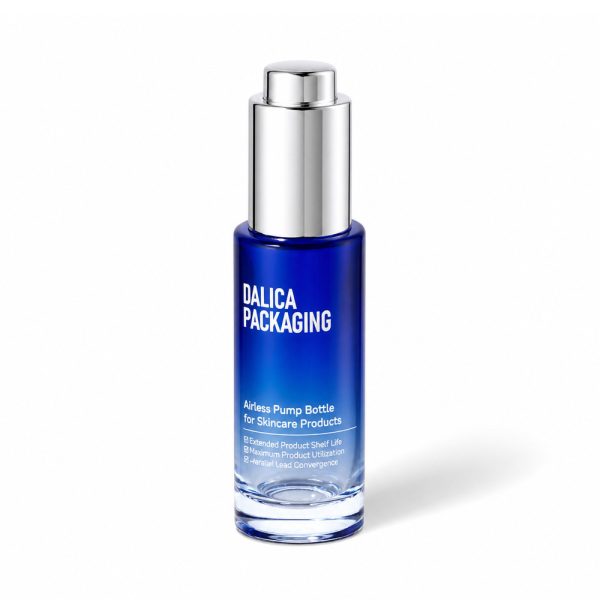

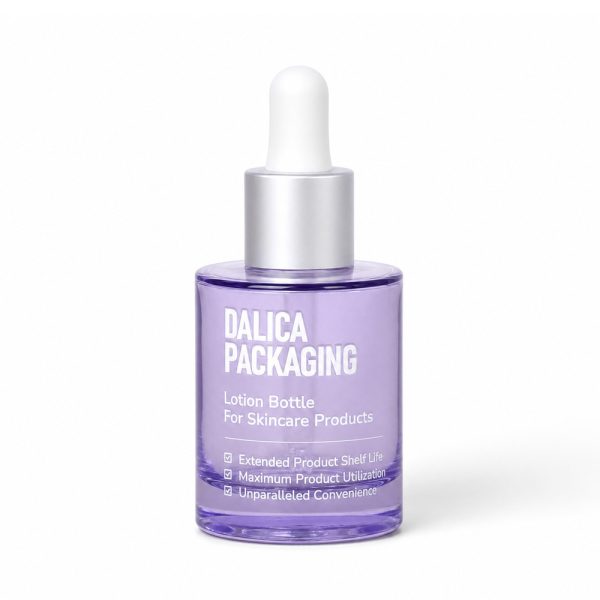

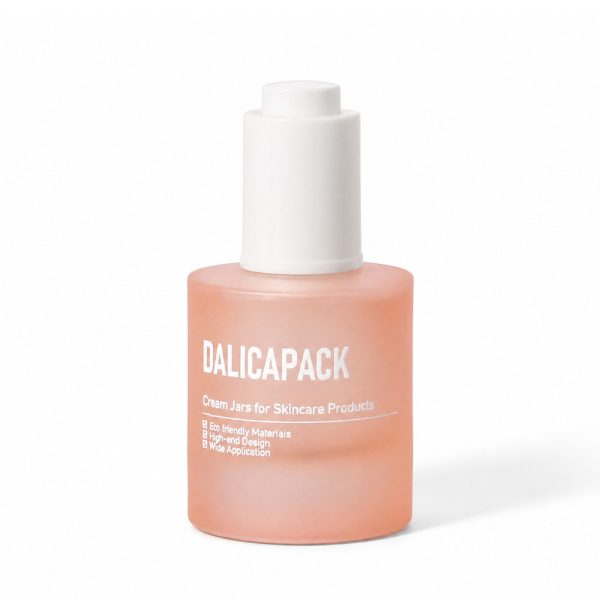
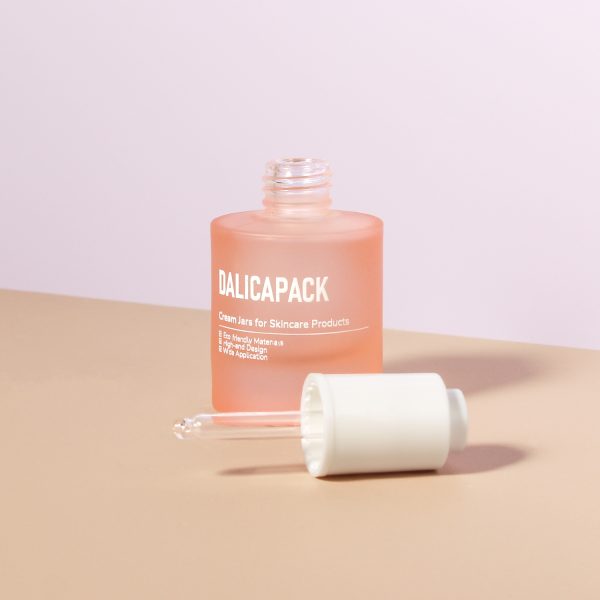






What Is a Dropper Bottle?
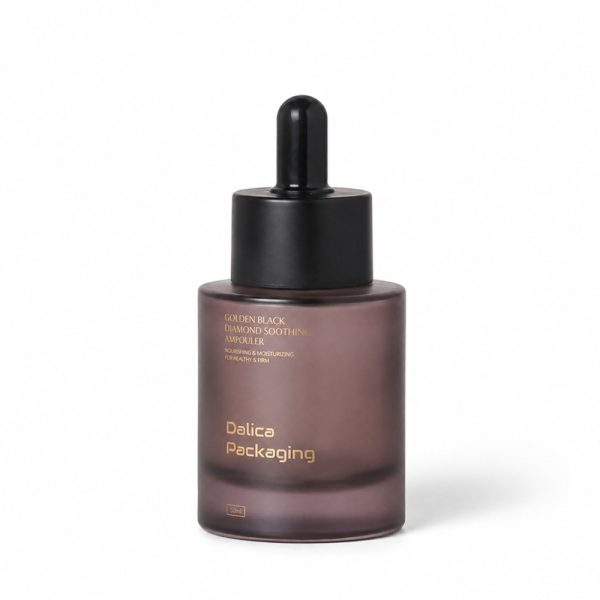
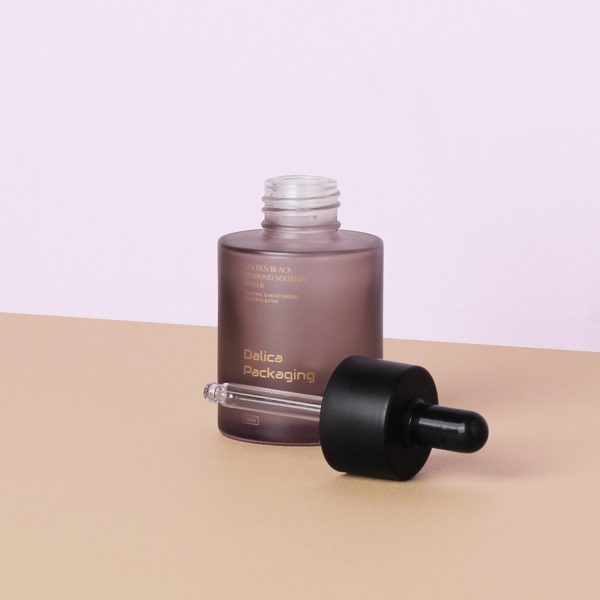
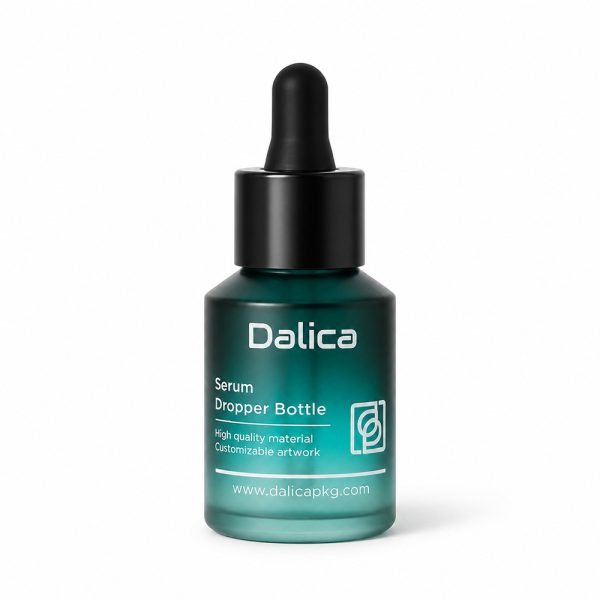
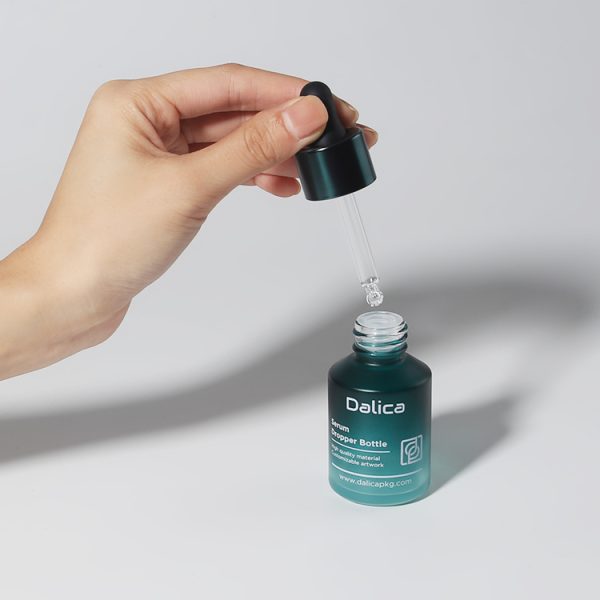
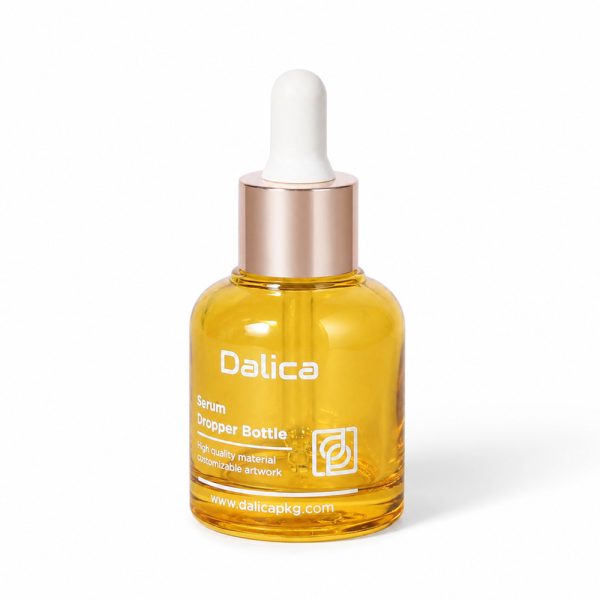
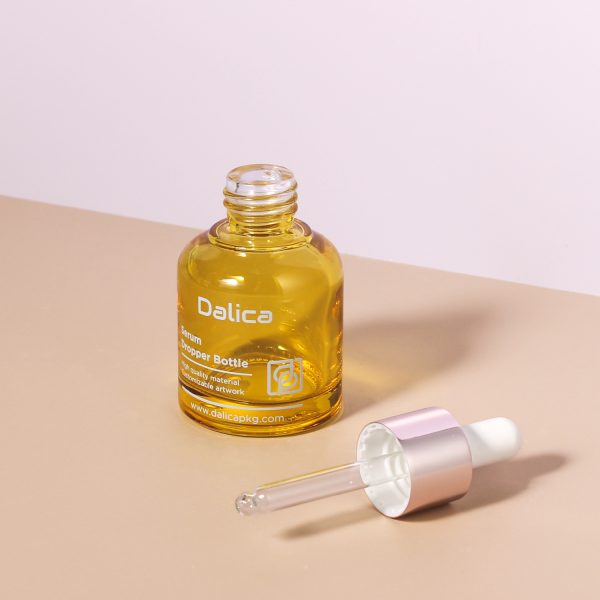
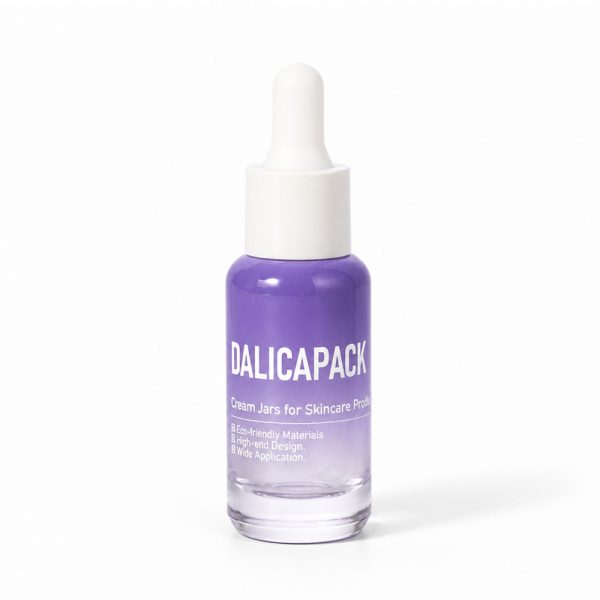
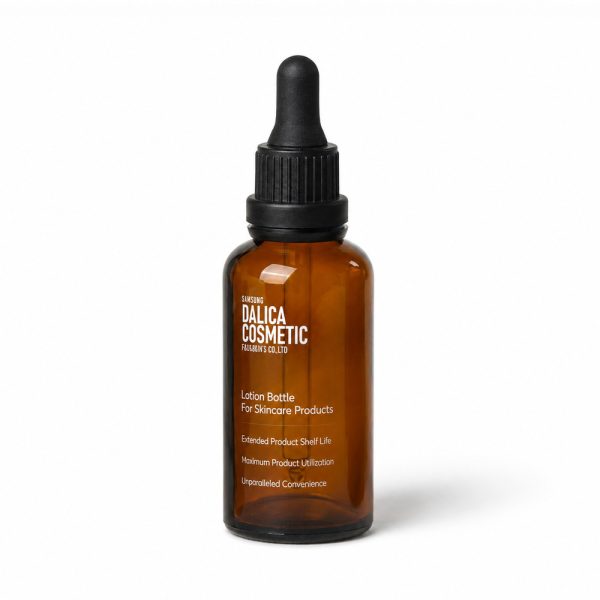
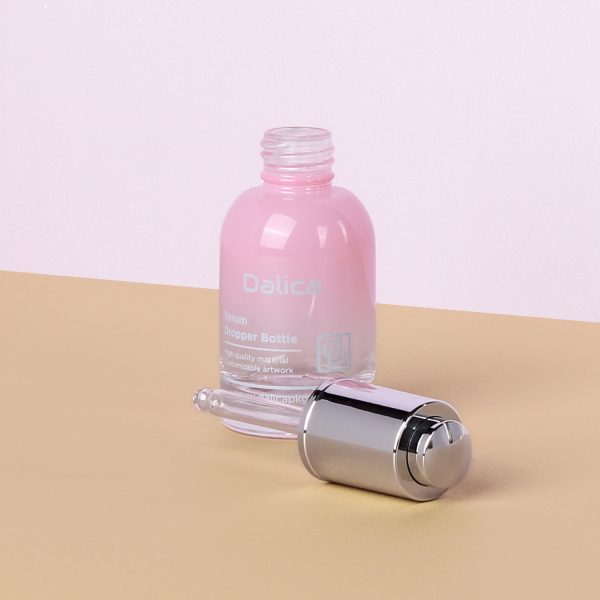
A dropper bottle combines a bottle with a pipette and a bulb or press-top closure to dispense small amounts of liquid. Glass dropper bottles are commonly used for serums, facial oils, essential oil blends, and targeted skincare treatments.
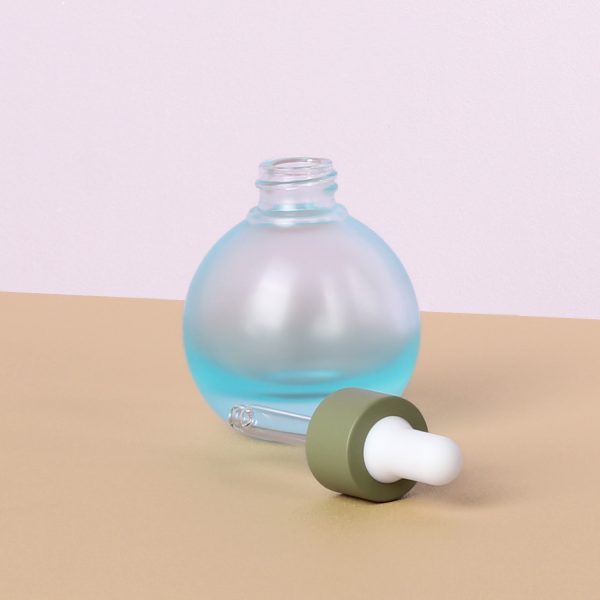
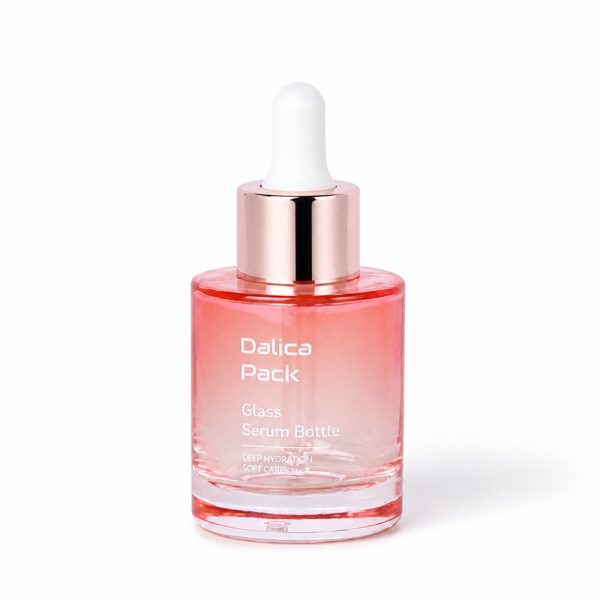
Dalica offers glass dropper packaging in round, square, thick-base, frosted, and decorative designs, with bottle sizes and finishing options for different product ranges.
Types of Dropper Bottles
1. By Dispensing Mechanism
- Bulb dropper bottles: Use a squeezable bulb to draw and release liquid. A familiar choice for serums, facial oils, and essential oil blends.
- Press-top dropper bottles: Use a button-operated mechanism for liquid pickup and dispensing, offering an alternative application experience.
- Twist-activated droppers: May combine cap rotation with actuator lifting or liquid loading. Availability and bottle compatibility require confirmation for each project.
2. By Bulb Material
Silicone, nitrile rubber (NBR), and other elastomers may be considered for compatible dropper assemblies. The right choice depends on the formula, squeeze feel, and component requirements. Confirm the exact compound through formula compatibility testing.
3. By Glass Bottle Design
Round bottles provide a classic appearance, while square and rectangular bottles offer distinctive profiles and flat branding surfaces. Thick-base, fluted, frosted, and gradient designs create additional options for premium skincare packaging.
For a coordinated product range, explore complementary glass cosmetic jars and glass pump bottles.
What Are Dropper Bottles Used For?
Dropper bottles are used for liquid products that benefit from gradual or targeted application. Suitability depends on formula viscosity, material compatibility, and dispensing performance.
| Application | Why Choose Dropper Packaging? | Key Selection Factors |
|---|---|---|
| Facial serums and essences | Allows users to apply small amounts gradually | Liquid pickup, dispensing control, and capacity |
| Facial oils | Supports controlled application to the skin | Bulb compatibility, pipette design, and sealing |
| Essential oils and blends | Offers compact packaging with drop-by-drop application | Ingredient compatibility and required light protection |
| Scalp treatments | Helps direct liquid toward the intended area | Pipette reach, handling, and formula flow |
| Targeted skincare treatments | Suits concentrated products used in small amounts | Application experience and closure integrity |
| Liquid makeup and complexion drops | Provides gradual dispensing for compatible fluid formulas | Pigment settling, viscosity, and clogging resistance |
Thick creams, gels, and particle-containing formulas may need a different dispensing system. Compare airless pump bottles when developing products that require pump dispensing.
Dropper Bottle Capacities and Specifications
Dalica’s glass dropper bottle collection includes listed capacities from 5 ml to 100 ml, depending on the design.
- 5–10 ml: Small-format oils, concentrated treatments, and discovery products.
- 15–20 ml: Compact serums and targeted skincare treatments.
- 30 ml: A practical option for facial serums, facial oils, and daily treatments.
- 40–50 ml: Larger skincare and oil products.
- 100 ml: Available in selected amber glass designs for larger oil packaging.
Confirm bottle dimensions, neck finish, pipette length, assembled height, and filling volume before ordering. Leave sufficient headspace for inserting the dropper without overflow.
Bottle capacity does not determine dispensing output. The amount delivered depends on the formula, pipette, and selected bulb or actuator.
Custom Dropper Bottles: Colors and Decoration
Custom glass dropper bottles can combine bottle finishes, logo decoration, and coordinated closures to create a consistent brand appearance.
- Spray coatings: Transparent tints, opaque colors, gradients, matte, glossy, and suitable soft-touch finishes.
- Frosting: A diffused glass appearance for understated skincare packaging.
- Metallic finishes: Electroplating, vacuum metallization, or metallic coatings on suitable components, subject to material and process confirmation.
- Silk-screen printing: Direct application of logos, product names, and graphics.
- Hot stamping: Foil accents for logos and selected decorative details.
- Labels and closure matching: Product information labels with coordinated bulb, actuator, and collar colors.
Decoration availability depends on bottle shape, surface finish, and component materials. Approve a decorated sample to confirm color, placement, adhesion, and durability.
How to Choose the Right Dropper Bottle
1. Match the Packaging to Your Formula
Start with viscosity, oil content, solvents, and intended use. Test the finished formula with the glass, bulb, seals, and pipette for compatibility, liquid pickup, and dispensing.
Packaging evaluation should form part of the finished product’s stability assessment. Consult ISO/TR 18811 guidance on cosmetic stability testing when defining your testing plan.
2. Choose the Application Experience
Select a bulb dropper for a familiar squeeze action or a press-top closure for button-operated dispensing. Discuss twist-activated options if the project requires an additional opening or loading mechanism.
Check dispensing control with a filled sample. A standard dropper should not be assumed to deliver an exact dose with every use.
3. Select Capacity, Shape, and Light Protection
Match the filling volume to the product’s usage rate and positioning. Compare grip, shelf presence, decoration area, and shipping requirements.
Amber glass can be evaluated for light-sensitive formulas, but its suitability should be verified against the product’s protection requirements. Include appropriate light-exposure testing in the finished product’s stability assessment.
4. Confirm Cost and Production Requirements
Review the bottle, closure, decoration, MOQ, and schedule together. Approve the complete package before production, including filled-sample checks for leakage, finish durability, and transport performance.
For brands developing a broader collection, complementary cosmetic packaging options can help coordinate dispensing formats across different formulas.
Frequently Asked Questions
1. What is the difference between bulb and press-top droppers?
Bulb droppers use a squeezable bulb; press-top droppers use a button-operated mechanism. Choose according to formula performance and the desired application experience.
2. Can I choose silicone or nitrile rubber bulbs?
These materials may be considered for compatible assemblies. Confirm availability and test the exact compound with your formula.
3. Are glass dropper bottles suitable for essential oils?
They can be evaluated for essential oils and blends. Check compatibility with all closure components and verify any required light protection.
4. What capacities are available?
Listed capacities range from 5 ml to 100 ml, depending on the bottle design. Confirm available sizes and dimensions for your selected model.
5. Can the bottles be customized?
Yes. Options may include coatings, frosting, suitable metallic finishes, silk-screen printing, hot stamping, labels, and coordinated closures.
6. What is the minimum order quantity?
The listed MOQ for selected designs is 10,000 pieces per design. Confirm requirements for each size, closure, color, and decoration.
7. Are samples available?
Under Dalica’s existing policy, 3–5 existing samples are free, with shipping paid by the customer. Customized samples are chargeable, subject to project requirements.
8. What are the sampling and production lead times?
Selected designs list approximately 7–10 days for customized samples and 30–40 days for production after artwork, color, and sample approval. Confirm the schedule for your order.
9. Are press-top dropper bottles airless or fixed-dose?
A press-top closure alone does not establish airless performance or a fixed dose. Specify these requirements separately when selecting packaging.

 Chat on WhatsApp