
Showing all 4 resultsSorted by latest

What Are Toner Bottles?
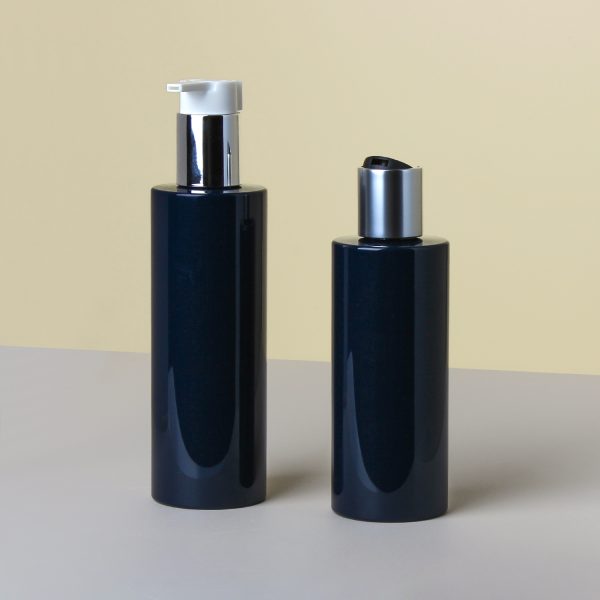
Toner bottles are containers for facial toners, essence waters, and other lightweight liquid skincare products. They typically combine a PET bottle body with a disc-top cap, flip-top cap, or screw cap with an orifice reducer to dispense the formula onto palms or cotton pads.
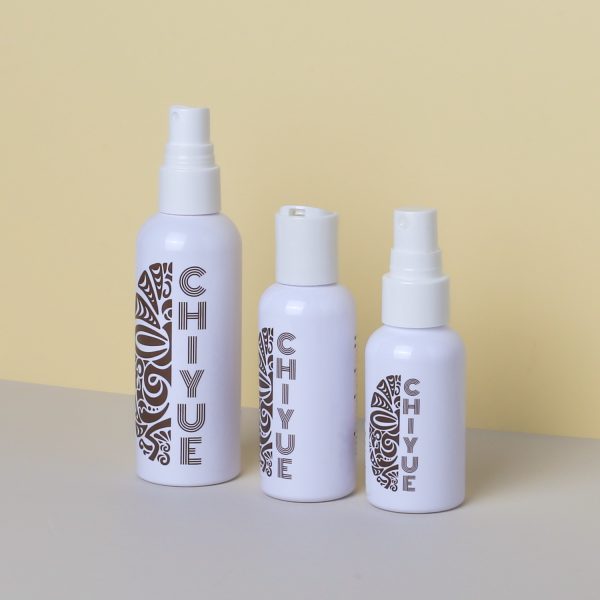
Dalica’s collection offers different bottle profiles, colors, and closure styles for custom skincare packaging. The final bottle-and-cap combination should be selected according to formula compatibility and the desired dispensing experience.
Advantages of PET Toner Bottles
The right toner bottle brings together practical dispensing, comfortable handling, and a recognizable brand appearance.
| Advantage | What It Means for Your Product |
|---|---|
| Lightweight PET body | Convenient for everyday handling and helps limit packaging weight compared with a comparable glass format. |
| Choice of dispensing closures | Disc-top caps, flip-top caps, and screw caps with reducer inserts support different application habits. |
| Controlled pouring | A suitable dispensing opening helps users apply liquid gradually to their hands or cotton pads. Actual flow depends on the formula and opening size. |
| Flexible visual presentation | Clear, tinted, or opaque appearances can support different skincare brand identities, subject to model availability. |
| Variety of bottle profiles | Slim shapes, different shoulder designs, and thick-wall styles provide options for both minimalist and premium ranges. |
| Customizable branding area | Suitable surfaces can accommodate labels, direct printing, and decorative finishes. |
| Coordinated product ranges | Bottle colors, caps, and decoration can be developed to create a consistent appearance across a skincare collection. |
Sealing performance depends on the complete bottle-and-closure assembly. Confirm closure fit and test filled samples before placing a production order.
Common Uses of Toner Bottles
1. Facial Toners
PET toner bottles are a practical option for hydrating toners, refreshing toners, and other compatible facial skincare liquids applied with palms or cotton pads.
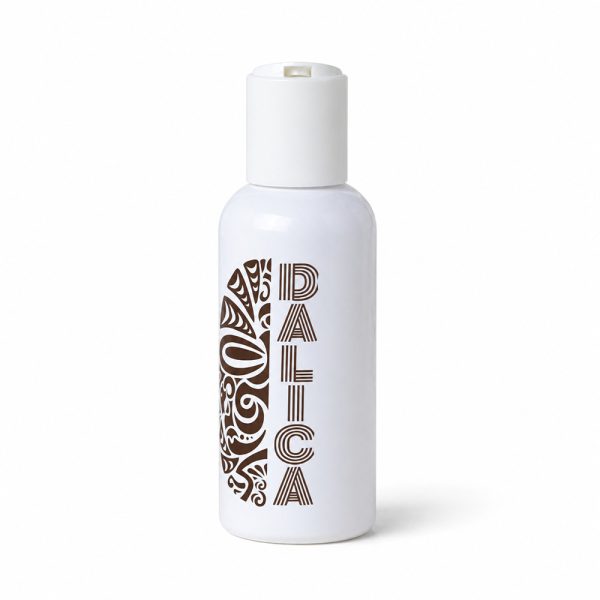
The PB01 White Facial Toner Bottle with Disc Top provides a reference for brands seeking a clean appearance and a press-to-open dispensing format.
2. Essence Waters and Treatment Waters
Lightweight essences and treatment waters need an opening that balances convenient pouring with manageable flow.
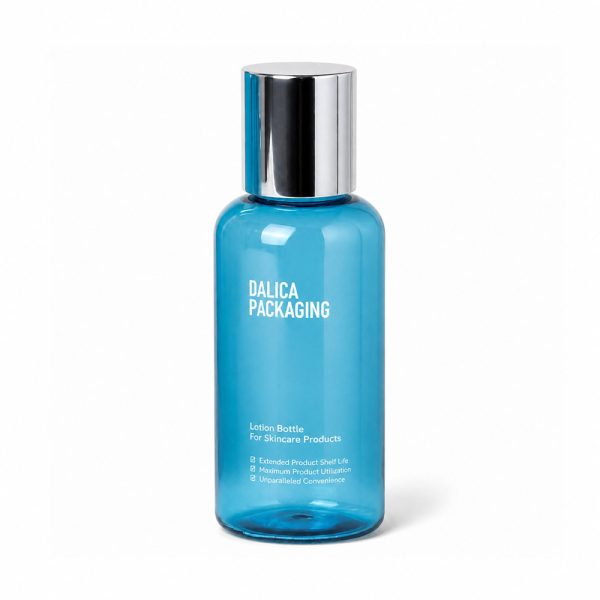
The PB02 Blue Essence Water Bottle with Aluminum Cap offers a visual reference for this application. For a screw-cap configuration, confirm the matching reducer insert and dispensing opening with the selected bottle.
3. Exfoliating Toners and Clarifying Liquids
Toner bottles can also be evaluated for exfoliating toners and clarifying skincare liquids. Formulas containing acids, alcohol, fragrance, or other potentially sensitive ingredients require compatibility testing with the PET body, cap, insert, and any sealing components.
Bottle color alone does not establish protection against light. Products requiring light protection should be assessed using the actual packaging and formula.
4. Everyday Skincare Waters and Coordinated Ranges
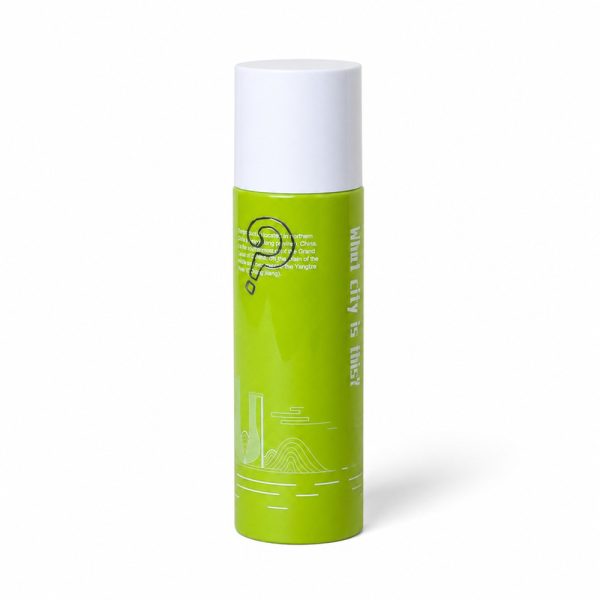
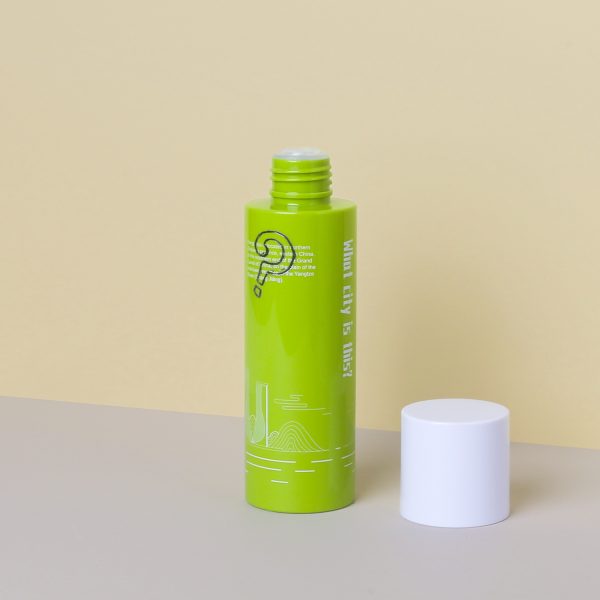
Slim PET bottles can support daily skincare waters and coordinated product collections. The PB08 Slim Green PET Toner Bottle for Skincare offers a reference for brands exploring a slender profile and a distinctive color direction.
For products intended to be sprayed directly onto the skin, explore compatible spray bottles and evaluate the sprayer with the finished formula.
Toner Bottle Capacities and Specifications
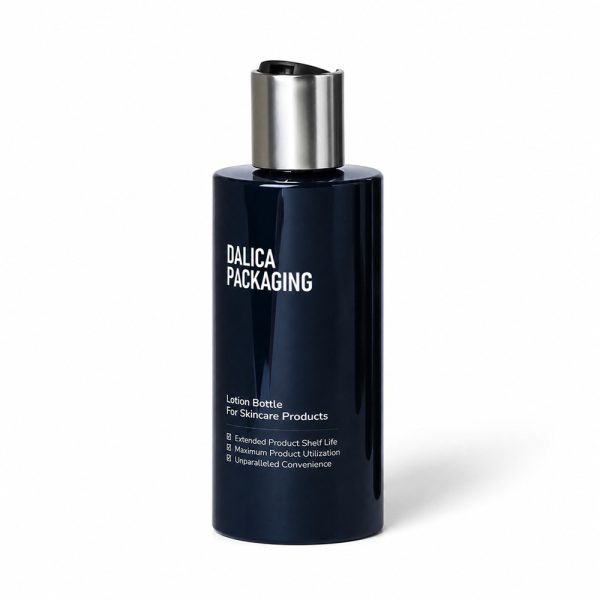
Toner bottle capacities vary by model, with options for different skincare routines and product positioning. The PB03 Thick-Wall Black Toner Bottle, for example, is available in 200–300 ml formats.
When selecting a bottle, confirm the filling capacity, bottle dimensions, neck finish, closure fit, dispensing opening, and decoration area. Match these specifications to your formula, filling process, and branding requirements, then approve the complete package through sample testing.
Custom Toner Bottles and Decoration Options
Custom toner packaging should bring the bottle body, closure, color, and artwork together as one finished package. Available processes depend on the selected model, material, and component design.
1. Custom Bottle and Cap Colors
Develop a coordinated appearance using transparent tints, translucent colors, or opaque shades where available. Pantone references or physical color samples can guide development.
Approve colors on the actual components, since PET bodies, plastic closures, and aluminum components can display the same color differently.
2. Surface Coatings and Finishes
Suitable bottles may be evaluated for glossy, matte, gradient, or soft-touch exterior finishes. These effects can help distinguish product lines and create a specific visual or tactile experience.
Confirm coating adhesion and resistance to handling and incidental contact with the formula before production.
3. Silk-Screen Printing and Hot Stamping
Silk-screen printing applies logos, product names, and graphics directly to a suitable bottle surface.
Hot stamping adds foil details to selected areas, such as a logo or product name. Achievable detail and placement depend on bottle curvature, surface preparation, and tooling.
4. Labels and Coordinated Artwork
Labels provide flexible space for branding, ingredients, directions, and product variations. Match the label size and adhesive to the bottle surface and expected bathroom-use conditions.
For a coordinated skincare range, consider consistent typography, color references, and decoration across toner bottles and complementary cosmetic packaging.
How to Choose the Right Toner Bottle
1. Start with the Formula
Share the formula’s viscosity, key ingredients, and intended use before choosing the bottle and closure.
A water-like toner may need a smaller dispensing opening to reduce excessive pouring. A slightly thicker essence may need a different opening to flow comfortably. Confirm performance with the finished formula.
2. Choose the Application Experience
| Closure Type | Application Experience | What to Check |
|---|---|---|
| Disc-top cap | Press to open and dispense onto a palm or cotton pad | Opening force, flow control, clean closure, and sealing |
| Flip-top cap | Lift the hinged lid for convenient repeated access | Hinge durability, opening size, residue buildup, and closure security |
| Screw cap with orifice reducer | Remove the cap and pour through a restricted opening | Reducer fit, pouring consistency, cap torque, and sealing |
These are configuration options to discuss for the selected bottle. They should not be assumed interchangeable across all models.
3. Match the Bottle Style to Your Brand
Use the collection’s existing designs to guide your visual direction:
- PB01: A white bottle with a disc-top closure for a clean, everyday skincare presentation.
- PB02: A blue essence water bottle with an aluminum cap for brands seeking a contrasting material accent.
- PB03: A thick-wall black bottle in 200–300 ml formats for a substantial visual presence.
- PB08: A slim green PET bottle for a slender silhouette and color-led skincare range.
Choose the final format around handling, filling volume, decoration space, and target cost.
4. Confirm Filling and Transport Requirements
Review the complete package with your filling partner. Check filling access, reducer insertion where applicable, capping requirements, and compatibility with the production line.
Evaluate filled samples for leakage, closure security, dispensing behavior, and transport performance.
5. Approve the Finished Packaging
Approve the bottle, closure, insert, color, and artwork together before mass production. If several sizes share one design, review each size because proportions and decoration placement may differ.
Frequently Asked Questions
1. What are toner bottles made of, and what products can they hold?
These toner bottles primarily combine a PET body with a suitable closure. They can be evaluated for facial toners, lightweight essence waters and treatment waters. Caps and inserts may use other materials. Test the finished formula for material compatibility and dispensing performance.
2. Which cap should I choose for a toner bottle?
Disc-top and flip-top caps offer convenient access during daily use. A screw cap with an orifice reducer provides a removable cover and restricted pouring opening. Choose according to formula viscosity, application habits and bottle compatibility. Confirm leak resistance through filled-sample and transport testing.
3. What toner bottle capacities are available?
Capacity options depend on the selected bottle. The PB03 model is available in 200–300 ml formats. Refer to individual specifications or request a recommendation based on your required filling volume.
4. Can I customize the bottle color and logo?
Yes. Options can include bottle and cap colors, silk-screen printing, hot stamping, labels and suitable exterior finishes. Availability and minimum quantities depend on the model and decoration process.
5. What is the minimum order quantity?
The standard minimum order quantity is generally 10,000 units, subject to confirmation for the selected bottle, capacity and closure. Custom colors, special finishes or new tooling may have additional requirements.
6. Can I receive samples before ordering?
Under Dalica’s standard sample policy, 3–5 existing samples can be provided free of charge, subject to availability, with shipping paid by the customer. Customized samples are chargeable; fees depend on color, decoration and quantity.
7. How long do sampling and mass production take?
Customized sampling generally takes 7–10 days after requirements are confirmed. Mass production generally takes 30–40 days after final sample, artwork and color approval and order confirmation. Special components, complex decoration or new tooling require a separately confirmed schedule. Shipping time is additional.

 Chat on WhatsApp