
Showing all 10 resultsSorted by latest






What Are Glass Cosmetic Jars?
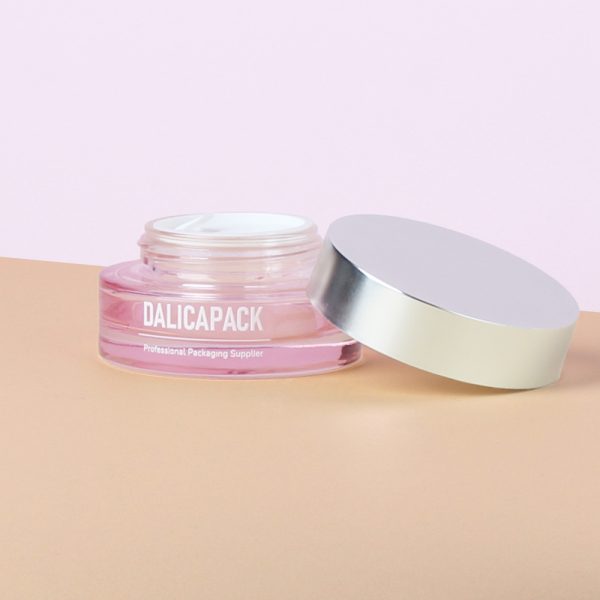
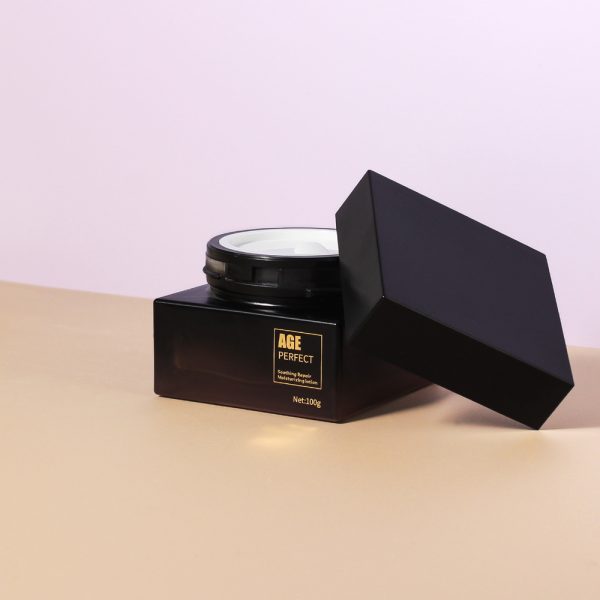
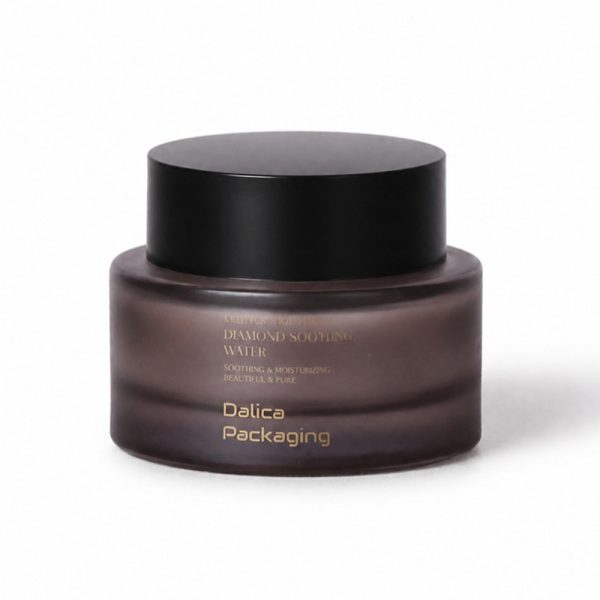
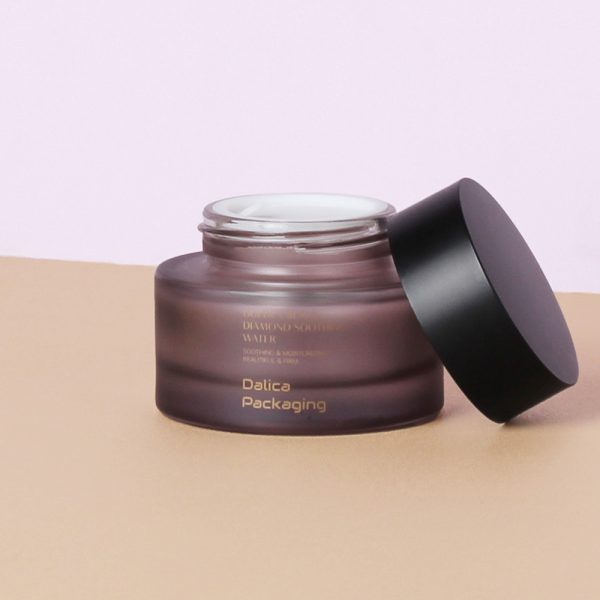
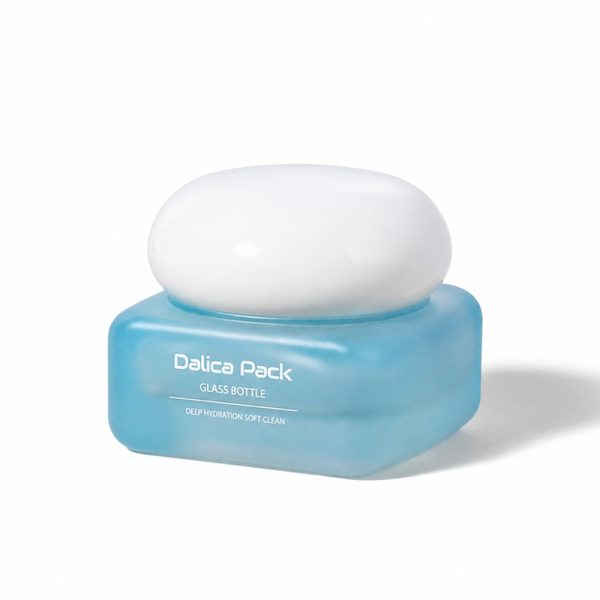
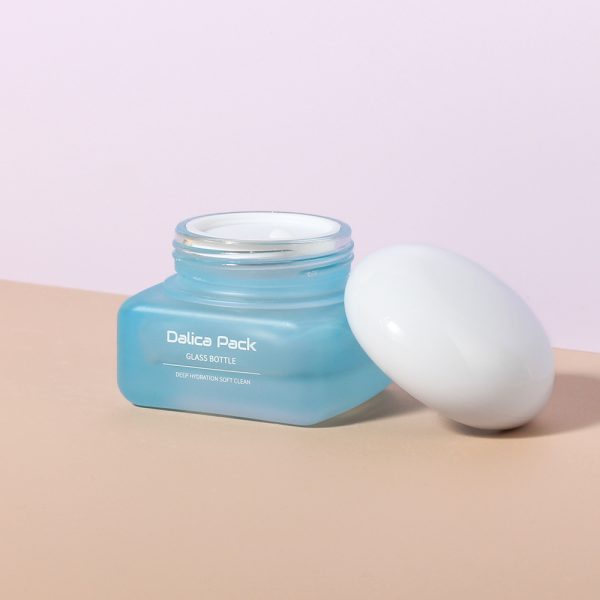
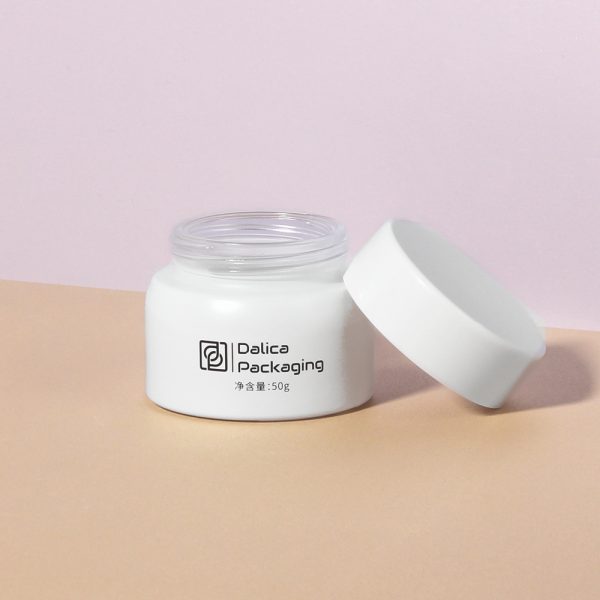
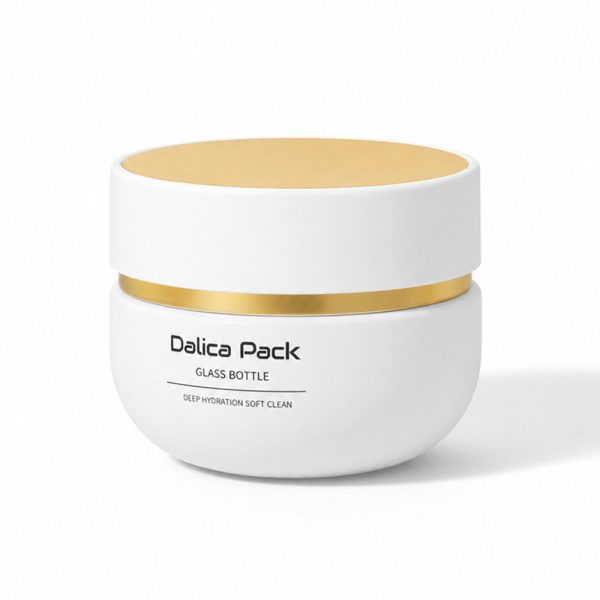
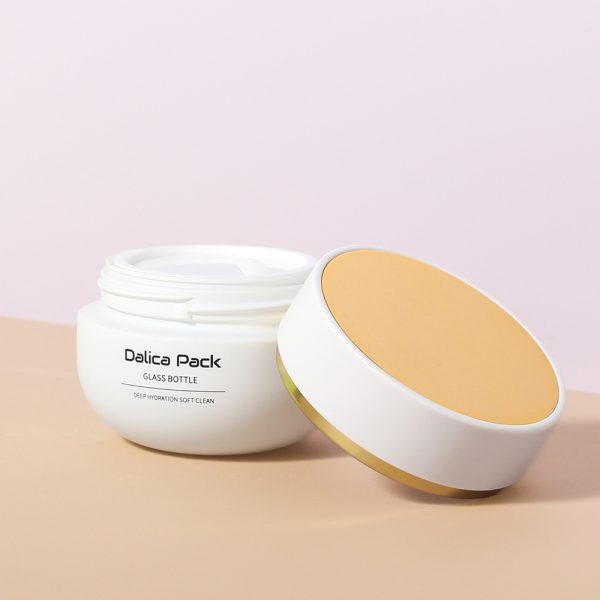
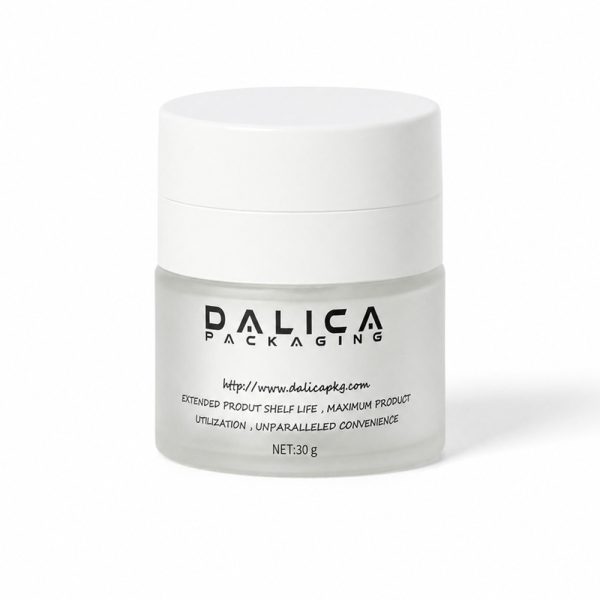
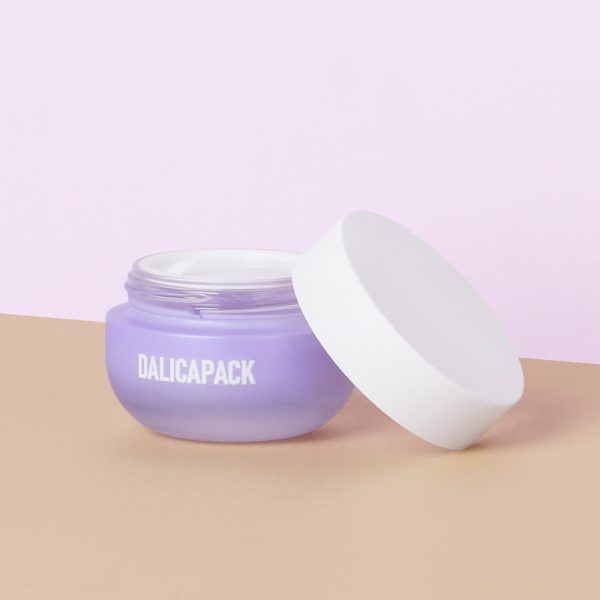
Glass cosmetic jars are containers for face creams, moisturizers, masks, and balms. A common design combines a glass body with a plastic lid, pairing the substantial feel and premium appearance of glass with flexible closure colors and finishes.
Options include conventional screw-top jars, glass airless jars with internal dispensing systems, and refillable jars with replaceable inner containers. The right structure depends on the formula, application experience, and brand requirements.
Types of Glass Cosmetic Jars
1. Glass Jars with Plastic Lids
A glass body with a plastic screw lid is a familiar format for face creams, masks, and balms. The wide opening provides convenient access for scooping with fingers or a cosmetic spatula.
- A premium feel: The weight and surface of glass create a substantial presentation.
- Flexible lid styling: Plastic closures can coordinate with different brand colors, shapes, and decorative finishes.
- Accessible product use: Wide-mouth designs accommodate formulas that are difficult to dispense through a pump.
- Coordinated branding: The jar and lid can carry complementary colors, logos, and surface effects.
Lid fit, thread dimensions, liner selection, and closing torque should be reviewed together. A decorative lid does not determine sealing performance on its own.
2. Glass Airless Jars with Inner Containers
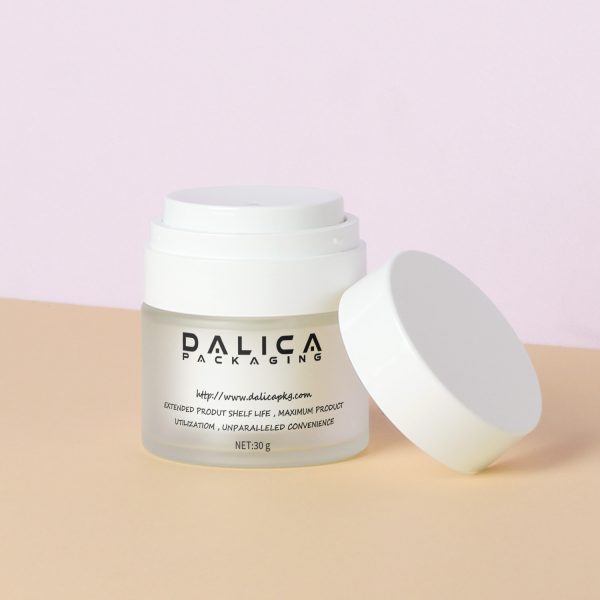
Glass airless jars combine a glass outer body with an internal product container and an airless dispensing mechanism. The formula is typically held within the inner system rather than directly against the decorative glass shell.
Depending on the mechanism, a moving piston or another internal structure helps feed the formula toward the dispensing outlet as the product is used.
- Reduced direct finger contact: Users dispense the formula through an actuator instead of opening the product chamber for each application.
- Less repeated exposure to ambient air: The system limits the opening of the formula chamber during normal use.
- Controlled dispensing: A compatible mechanism can deliver a more consistent amount per press.
- Premium presentation: The glass exterior combines a substantial appearance with pump-based application.
Airless packaging does not automatically establish an airtight, sterile, or preservative-free system. Formula viscosity, priming, dispensing output, and product evacuation should be tested with the selected design. Compare the GJ09z glass airless cream jar when evaluating this format.
3. Glass Cosmetic Jars with Replaceable Inner Containers
Refillable glass cosmetic jars use a durable outer jar with a removable inner container. Users retain the outer package and replace the compatible insert when the product is finished.
- A repeat-purchase refill format: Replacement inserts can form part of an ongoing skincare range.
- Retention of the glass exterior: The outer jar remains in use across multiple refill cycles.
- Flexible product-contact materials: The inner container can be selected around the formula and packaging requirements.
- Consistent shelf presentation: Refills preserve the appearance of the original package.
A replaceable inner container is not necessarily airless. Refillable screw-top jars and refillable airless jars use different structures, so confirm both the refill function and dispensing method. The GJ02 refillable square glass cosmetic jar is an option to evaluate.
Evaluate insert retention, removal, replacement, and repeated-use durability before finalizing the system. Any environmental benefit should be assessed against the complete packaging system and expected reuse.
4. By Shape, Appearance, and Application
| Selection Dimension | Options to Evaluate | Key Considerations |
|---|---|---|
| Body shape | Round, straight-sided, low-profile, or square designs | Grip, shelf appearance, label area, and packing efficiency |
| Glass appearance | Clear, frosted, tinted, or externally coated | Product visibility, brand styling, and required light protection |
| Construction | Direct-fill glass, glass with an inner container, or glass airless packaging | Product-contact materials, filling method, and user experience |
| Application | Eye cream, face cream, masks, balms, or body care | Usable capacity, opening size, viscosity, and access |
| Range coordination | Matching jars and bottles | Color consistency, proportions, decoration, and launch requirements |
Available combinations depend on the selected model. Confirm the actual dimensions and components before developing artwork or filling specifications.
Customization Options for Glass Cosmetic Jars
1. Glass Body Colors and Surface Finishes
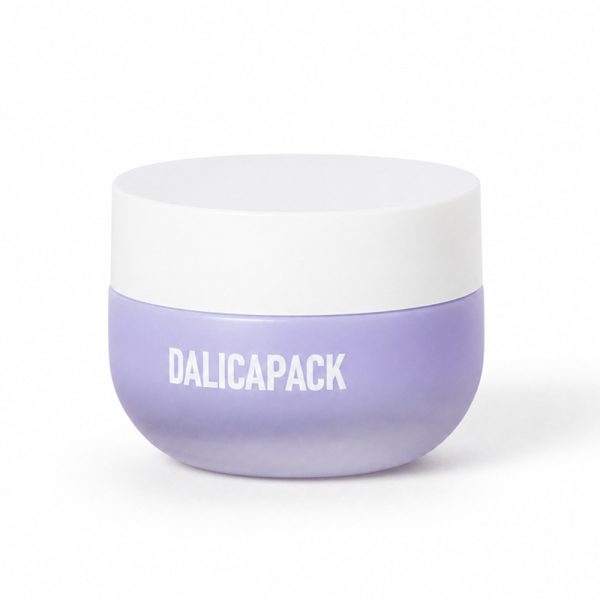
Glass jars can be evaluated for clear presentation, frosted effects, or exterior color coatings. Depending on the selected design, decoration may include transparent or translucent colors, opaque colors, matte or glossy finishes, gradients, and frosting.
Confirm whether the desired appearance comes from the glass itself, a surface treatment, or an exterior coating. These options differ in cost, appearance, durability, and production requirements. A dark or opaque finish should not be assumed to provide a specific level of light protection without supporting testing.
2. Plastic Lid and Component Decoration
Plastic lids, outer covers, and suitable decorative components can be coordinated with the jar body. Options may include molded colors, matte or glossy effects, metallic finishes, and selected tactile coatings. Process availability depends on the plastic material and component geometry.
Approve the jar and lid together to assess color matching. Glass, plastic, and coated surfaces can display the same color differently under changing light.
3. Silk-Screen Printing, Hot Stamping, and Labels
Silk-screen printing applies logos, product names, and relatively simple graphics directly to suitable surfaces. Hot stamping adds foil accents to selected areas, such as a brand mark or lid detail. Labels provide space for ingredients, directions, product variants, and market-specific information.
Artwork should follow the actual decoration area. Jar curvature, surface finish, and component dimensions affect placement and achievable detail. Check print adhesion and resistance to handling and incidental formula contact.
4. Inner Containers, Seals, and Accessories
Depending on the model, customization may also include compatible inner containers, refill inserts, liners, sealing discs, and cosmetic spatulas.
For airless designs, confirm the pump configuration and actuator finish. For refillable designs, review how replacement inserts are supplied, protected, installed, and removed. Approve the complete packaging assembly before production, including any accessory storage and clearance beneath the lid.
How to Choose the Right Glass Cosmetic Jars
1. Match the Structure to Your Formula
Choose a screw-top jar for direct scooping, an airless jar for pump dispensing, or a refillable design for replaceable inner containers. Confirm all product-contact materials and test the complete package with your finished formula.
2. Confirm Capacity and Ease of Use
Check usable capacity, headspace, opening size, and handling comfort. For airless models, test priming and dispensing; for refillable jars, check insert removal and secure replacement. Grams and milliliters are not interchangeable: filling weight depends on formula density.
3. Coordinate Appearance and Packaging Cost
Select the glass finish, lid color, and decoration around your brand and budget. Compare plastic cosmetic jars when lighter packaging is a priority, or coordinate with glass pump bottles for a matching skincare range.
4. Approve Samples and Production Requirements
Review the complete decorated sample before production. Confirm sealing, decoration durability, protective packing, MOQ, and timing. For refillable designs, also assess durability through repeated use.
Frequently Asked Questions
1. Why combine a glass jar with a plastic lid?
Glass provides a substantial feel and premium appearance, while plastic lids offer flexible colors, shapes, and decoration. Closure fit and liner selection determine sealing performance.
2. How do standard, airless, and refillable glass jars differ?
Standard jars open for scooping. Airless jars use an internal dispensing system. Refillable jars allow the inner container to be replaced and may use either a conventional lid or an airless mechanism.
3. Can I customize the jars?
Yes. Options may include frosted effects, exterior colors, matte or glossy finishes, silk-screen printing, hot stamping, and labels. Availability depends on the model and component materials.
4. What is the minimum order quantity?
The standard MOQ is 10,000 units. Confirm requirements for each model, size, color, and decoration when requesting a quotation.
5. Can I get samples before ordering?
3–5 existing samples are available free of charge, with shipping paid by the customer. Customized samples are chargeable; fees and preparation time depend on your requirements.
6. How long does production take?
Production generally takes approximately 35–50 days after final specifications, artwork, colors, and samples are approved. Shipping time is additional. New tooling and complex customization require a separately confirmed schedule.
7. Are glass cosmetic jars recyclable?
Glass can be recycled where suitable local systems exist. Plastic lids, inner containers, pumps, and decorative finishes may require separate handling. Check local recycling guidance for the complete package.

 Chat on WhatsApp