
Showing 1–12 of 103 resultsSorted by latest








What Is Airless Packaging?
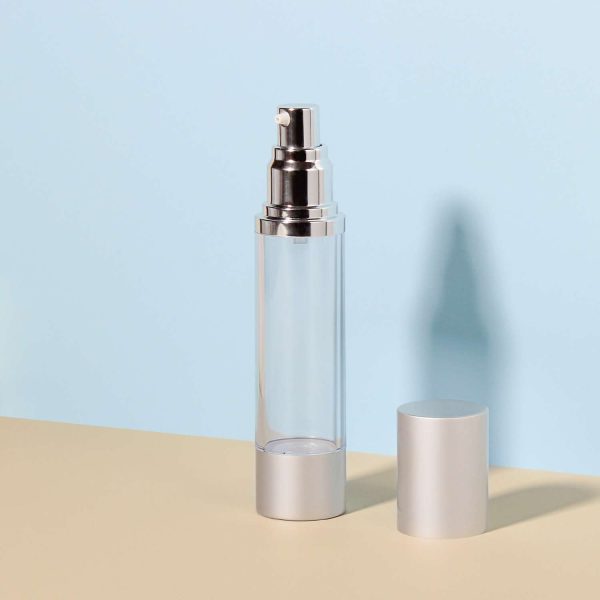
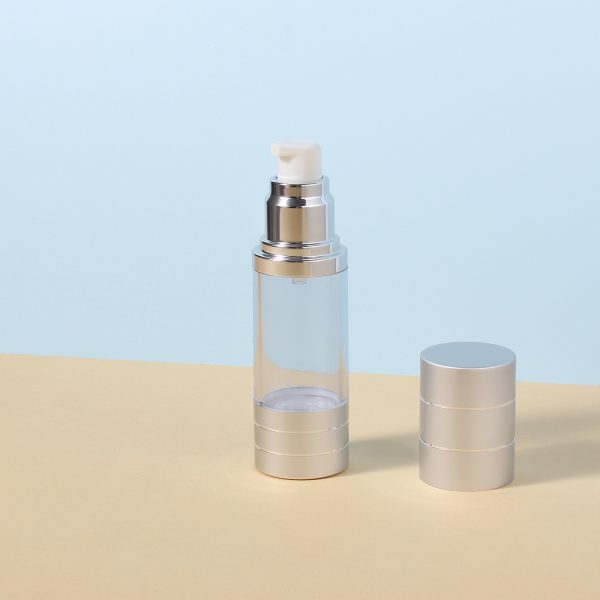
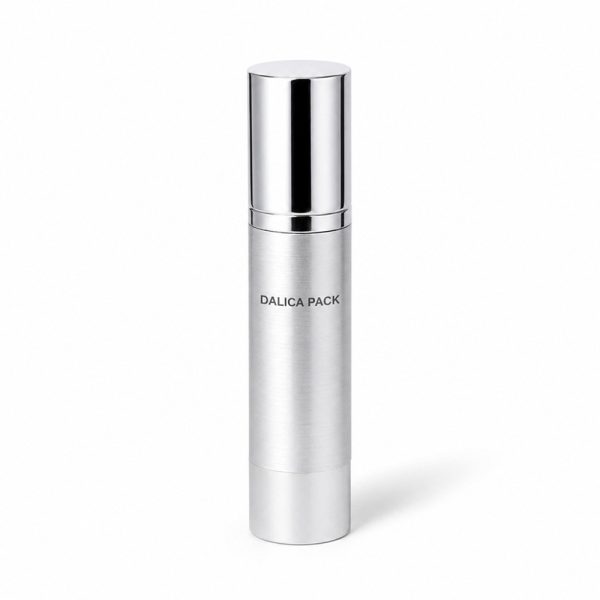
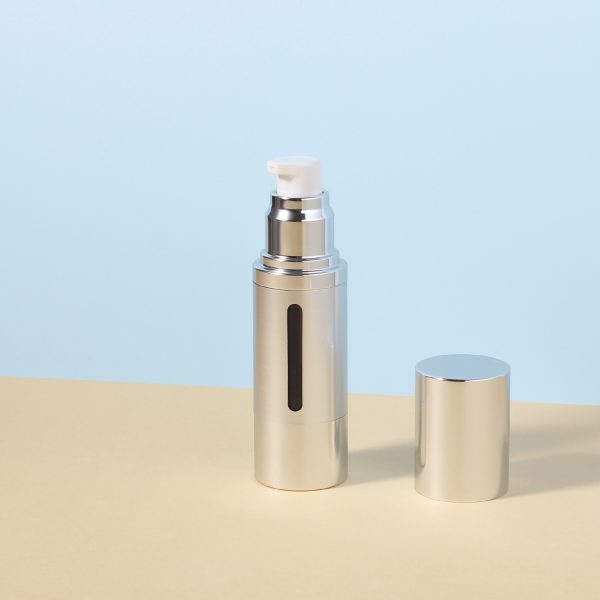
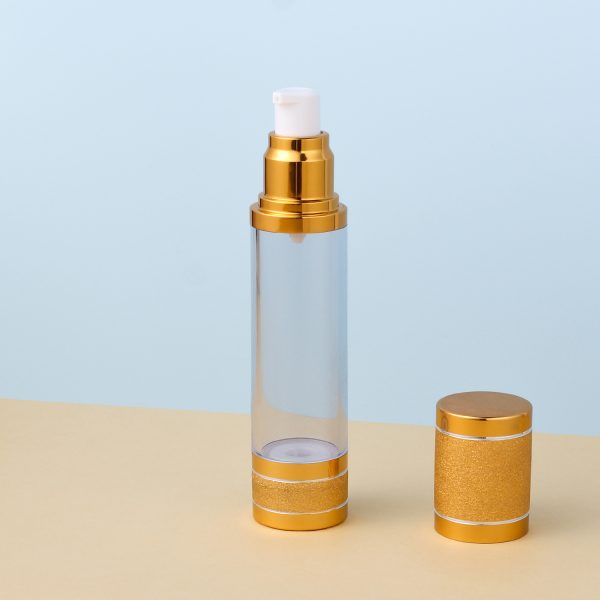
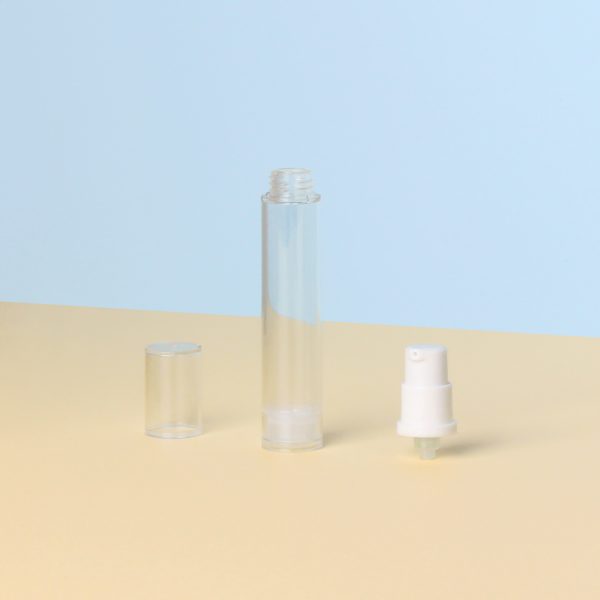
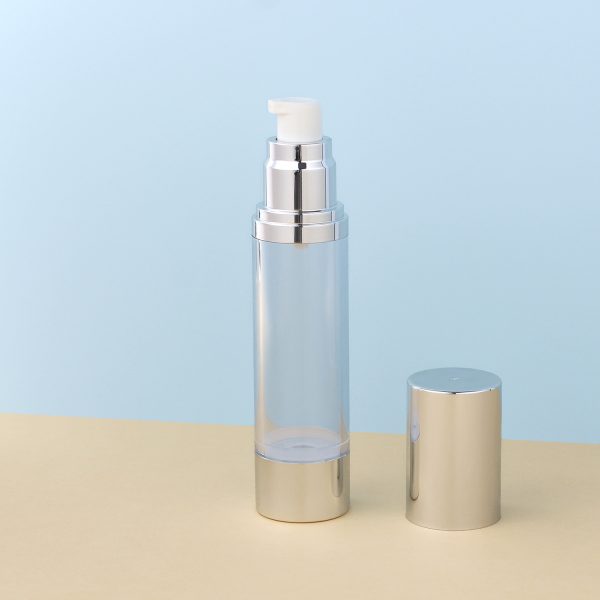
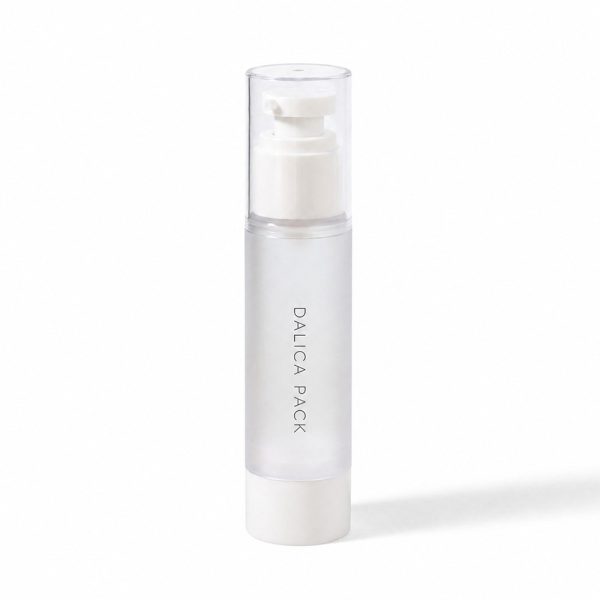
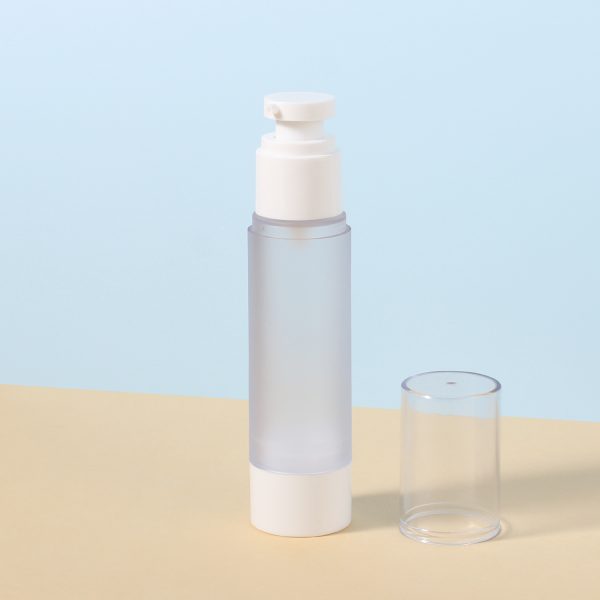
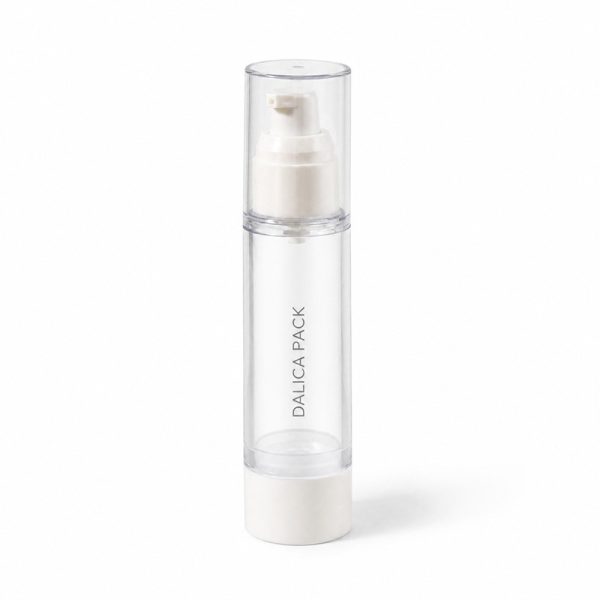
Airless packaging is a cosmetic packaging solution designed to minimize air exposure during product dispensing. Unlike conventional pump bottles that typically draw replacement air into the container, airless systems use a rising piston or flexible inner pouch to dispense the formula while limiting outside air entering the product chamber.
Commonly used for serums, lotions, creams, and other skincare products, airless cosmetic packaging offers controlled dispensing, reduced direct contact with the formula, and more efficient product use.
Dalica offers a wide range of airless packaging solutions, including pump bottles, sustainable airless bottles, airless jars, and specialized eye cream dispensers to suit different formulations and brand requirements.
Types of Airless Packaging
Airless packaging comes in different designs to accommodate various cosmetic formulations, dispensing methods, and sustainability goals.
1. Airless Pump Bottles
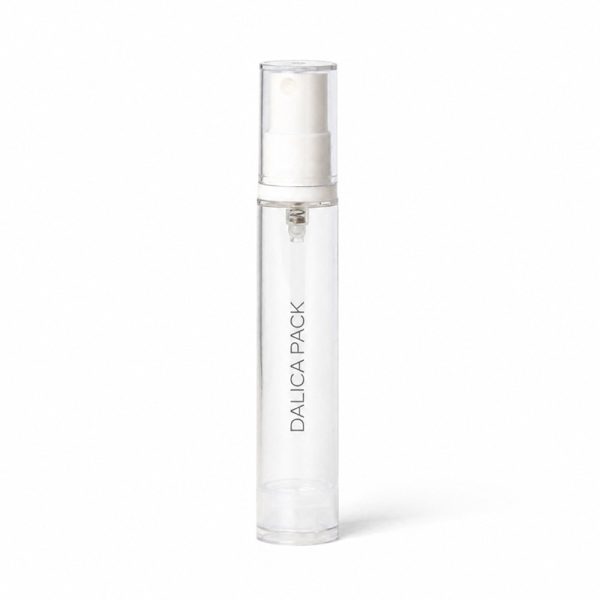
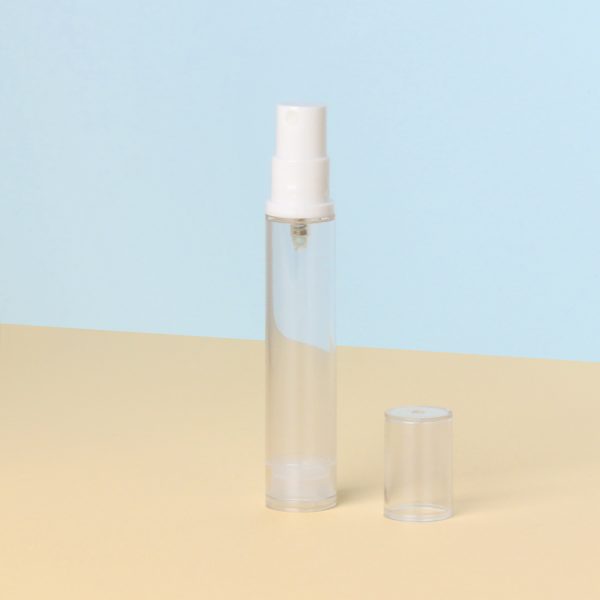
Airless Pump Bottles are widely used for facial serums, moisturizers, lotions, and other skincare formulations.
Dalica offers plastic, glass, and metal-decorated airless bottles in various capacities and shapes. Options include conventional push pumps, twist-lock designs, compact treatment bottles, and specialized dispensing heads.
These bottles are suitable for brands seeking controlled dispensing, reduced air exposure, and flexible packaging designs.
2. Sustainable Airless Bottles
Sustainable Airless Bottles combine airless dispensing technology with material and structural designs intended to reduce packaging waste.
Options include PP airless bottles, mono-material designs, all-plastic pump systems, and selected PCR or refillable solutions.
These designs allow skincare brands to explore more environmentally conscious packaging options while maintaining practical dispensing performance. Actual environmental benefits depend on the complete packaging structure and its end-of-life handling.
3. Airless Jars
Airless Jars combine the appearance of traditional cosmetic jars with a controlled dispensing mechanism.
Instead of repeatedly opening the product chamber, users press the dispensing surface to release a portion of the formula.
Available designs include top-press airless jars, side-dispensing jars, rotating mechanisms, and refillable models. They are particularly suitable for face creams, moisturizers, gels, and richer skincare formulations.
4. Eye Cream Bottles
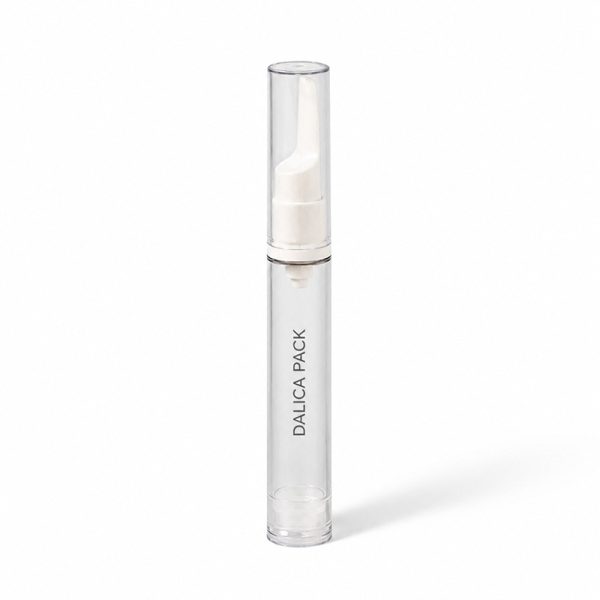
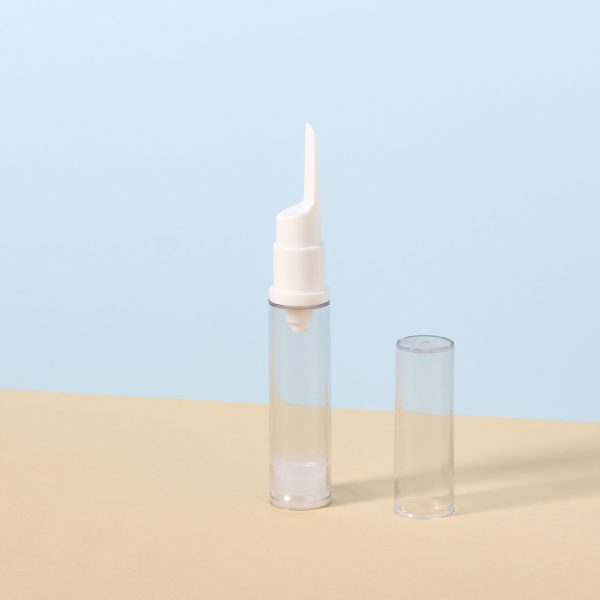
Eye Cream Bottles are specialized airless dispensers designed for eye care and targeted skincare applications.
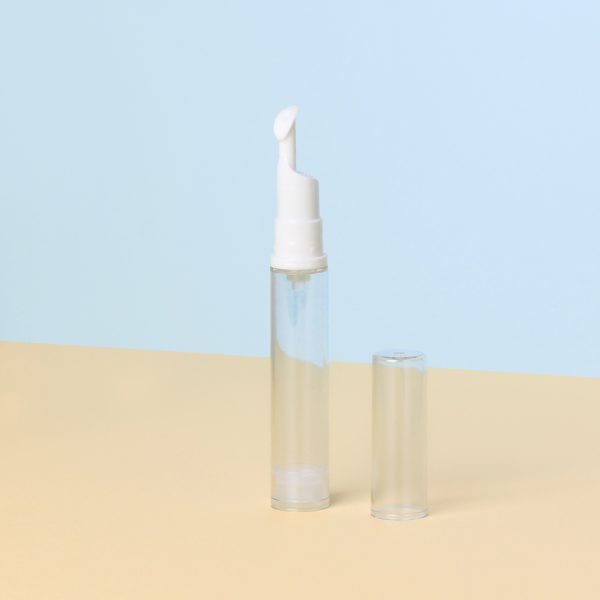
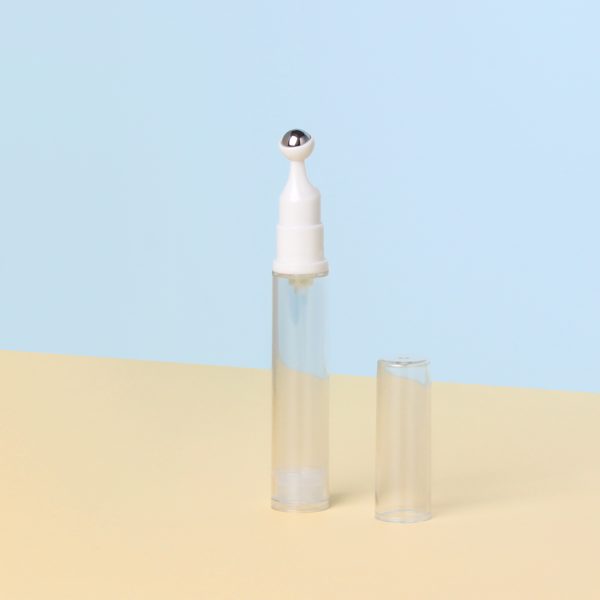
Dalica’s collection includes syringe-style bottles, rollerball applicators, metal massage heads, and precision dispensing tips.
Their compact sizes and specialized applicators make them suitable for eye creams, eye serums, and targeted treatment products requiring convenient, controlled application.
Benefits of Airless Packaging
1. Reduced Air Exposure
Airless dispensing helps limit repeated contact between the remaining formula and outside air. This can be beneficial for skincare formulations containing ingredients sensitive to oxidation.
2. Hygienic Dispensing
Enclosed dispensing systems reduce the need to open the container or touch the remaining formula directly, supporting a cleaner everyday application experience.
3. Controlled Product Dispensing
Airless pumps deliver a controlled amount of product with each full press, helping users manage application and avoid dispensing more than needed.
4. Reduced Product Residue
A rising piston or contracting inner pouch helps move the remaining formula toward the dispensing outlet, potentially reducing product left inside the container.
Actual performance depends on the selected packaging system, formulation, and compatibility testing.
Common Applications of Airless Packaging
Airless packaging is widely considered for skincare, cosmetic, and personal care products. The most suitable packaging format depends on formula viscosity, desired dispensing volume, and application method.
| Cosmetic Application | Recommended Packaging | Key Considerations |
|---|---|---|
| Facial Serums & Essences | Airless Pump Bottles | Controlled dispensing and reduced air exposure |
| Moisturizers & Lotions | Airless Bottles | Smooth dispensing and suitable pump output |
| Face Creams & Gels | Airless Jars | Convenient dispensing of thicker formulations |
| Eye Creams & Treatments | Eye Cream Bottles | Precise application and specialized applicators |
| Sunscreen Products | Airless Pump Bottles | Formula compatibility and reliable dispensing |
| Liquid Foundations & Primers | Airless Pump Bottles | Consistent output and suitable pump performance |
The packaging should always be tested with the finished formula before bulk production.
Materials and Sustainable Airless Packaging Options
1. By Material
Airless cosmetic containers are available in different materials to meet functional and aesthetic requirements.
- PP (Polypropylene): Commonly used in lightweight airless packaging, including selected all-plastic and mono-material designs.
- PETG & SAN: Used in selected airless bottle components and exterior designs, offering different transparency and appearance options.
- Acrylic: Often used for premium-looking airless bottles and jars with thick-wall or decorative exterior designs.
- Glass & Aluminum: Available in selected designs to provide distinctive appearance and premium packaging presentation.
The outer container material may differ from the components in direct contact with the formula.
2. By Sustainable Design
Brands looking for more sustainable airless packaging can explore several design approaches.
- Mono-Material Airless Packaging: Designed primarily around one material family to reduce material complexity.
- All-Plastic Airless Packaging: Uses plastic dispensing components, including selected designs without conventional metal springs.
- PCR Plastic Options: Incorporates post-consumer recycled materials where supported by the selected packaging construction.
- Refillable Airless Packaging: Uses compatible replacement containers or dedicated refill systems to support repeated use.
Not all all-plastic packaging is mono-material, and recyclability depends on the complete package and local recycling infrastructure.
Explore our Sustainable Airless Bottles for more material and structural options.
Airless Packaging vs. Traditional Packaging
Airless dispensing systems differ from conventional cosmetic bottles and open jars in how the product is accessed and dispensed.
| Feature | Airless Packaging | Traditional Packaging |
|---|---|---|
| Dispensing System | Rising piston, flexible pouch, or dedicated dispensing mechanism | Dip-tube pump or direct access |
| Air Exposure | Limits replacement air entering the product chamber | Air commonly enters during use or opening |
| Product Access | Dispenses through a pump or dedicated outlet | Dispensed through a pump or directly from the container |
| Product Residue | Can reduce remaining product with a suitable mechanism | Depends on container shape and dispensing system |
| User Experience | Controlled, enclosed dispensing | Varies by pump, bottle, or jar design |
Airless packaging offers practical advantages for many cosmetic formulations, but actual product protection and dispensing performance depend on the complete packaging system.
How to Choose the Right Airless Packaging
Choosing the right airless packaging starts with understanding your product and its dispensing requirements.
1. Formula Type & Viscosity
Consider whether your product is a lightweight serum, lotion, gel, or thick cream. Different formulations require suitable pump mechanisms and dispensing outlets.
2. Packaging Format & Capacity
Select an airless bottle, jar, or specialized applicator according to your product size, application method, and brand positioning.
3. Pump & Applicator Design
Evaluate dispensing volume, actuator operation, nozzle design, and any specialized applicator requirements.
4. Material & Sustainability Requirements
Compare material structures, decorative finishes, mono-material options, and refillable designs based on your packaging goals.
5. Formula Compatibility & Testing
Confirm material compatibility, dispensing performance, filling requirements, and sealing with your finished formulation before production.
Custom Airless Packaging Solutions
Dalica provides custom airless packaging solutions for skincare and cosmetic brands, including product selection, decoration, sampling, and bulk packaging orders.
Available customization options may include:
- Custom Colors: Molded colors, transparent, translucent, and opaque finishes.
- Surface Finishes: Matte, glossy, frosted, metallic, and other decorative effects.
- Logo & Decoration: Silk-screen printing, hot stamping, labeling, and compatible decorative processes.
- Packaging Configuration: Selection of available capacities, pump designs, applicators, and compatible components.
Customization availability, minimum order quantity (MOQ), and production requirements vary by product model and decoration process.
For wholesale airless packaging projects, share your preferred packaging type, capacity, formula requirements, and estimated order quantity to receive suitable options and a quotation.
For additional industry background, explore the Cosmetics Europe resources.
Frequently Asked Questions About Airless Packaging
1. What is the difference between airless packaging and regular pump packaging?
Conventional dip-tube pumps typically allow replacement air to enter the bottle as the product is dispensed. Airless packaging uses a moving piston or flexible pouch to compensate for the dispensed product, helping reduce air exposure inside the product chamber.
2. Is airless packaging suitable for thick creams?
Yes, certain airless bottles and jars are designed for creams and higher-viscosity formulations. The appropriate dispensing mechanism depends on the formula’s thickness, flow characteristics, and required output.
3. Can airless packaging help protect sensitive skincare formulas?
Airless systems can reduce repeated air exposure during use, which may benefit formulas containing oxidation-sensitive ingredients. However, packaging compatibility, formula stability, and preservation requirements must still be evaluated.
4. Are all airless containers refillable?
No. Only airless containers specifically designed for refilling should be used as refillable packaging. Some models feature replaceable inner containers, while conventional sealed airless systems may not support refilling.
5. Can airless packaging be customized for cosmetic brands?
Yes. Depending on the selected model, Dalica offers customization options such as colors, surface finishes, logo printing, and decorative treatments. MOQ, available processes, and lead times should be confirmed for each packaging project.

 Chat on WhatsApp