
Showing 1–12 of 31 resultsSorted by latest









What Are Acrylic Cream Jars?
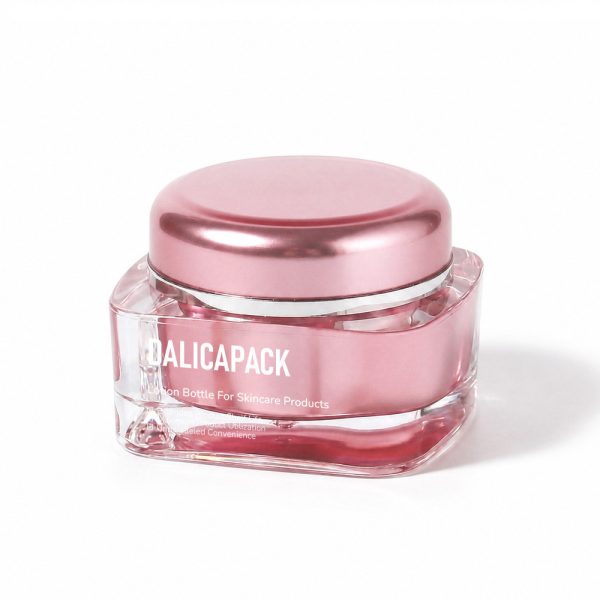
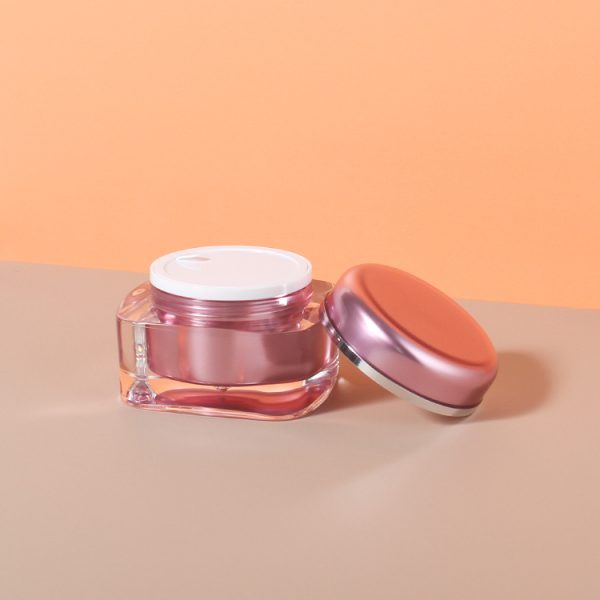
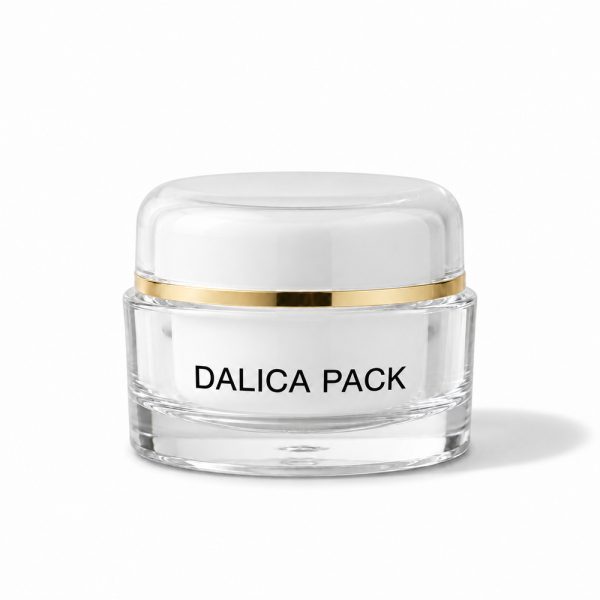
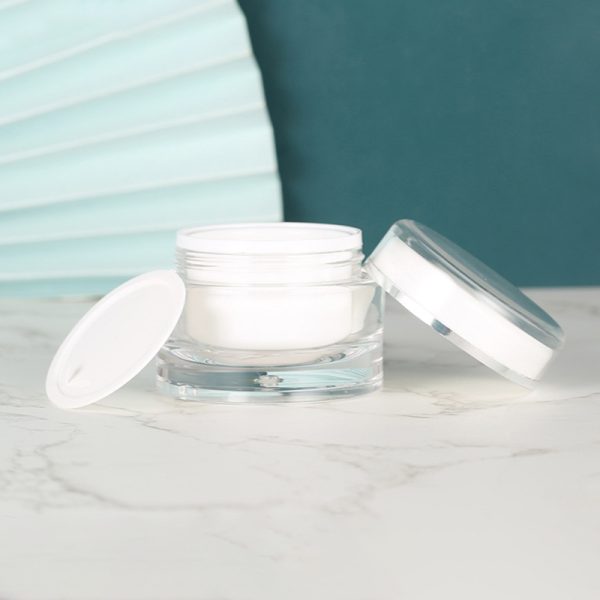
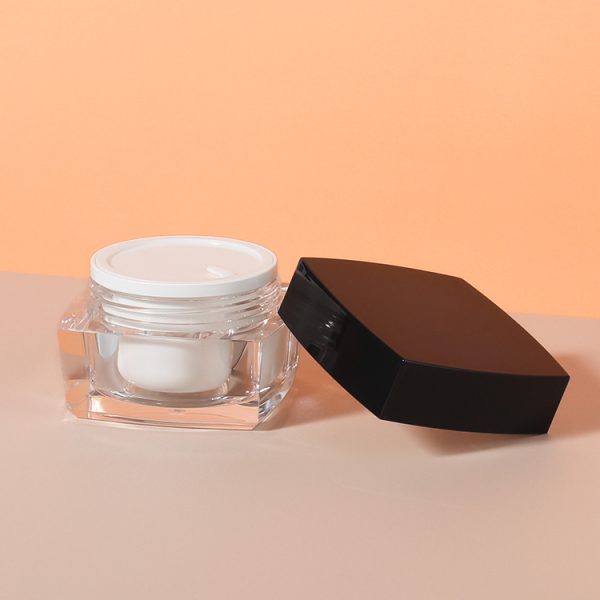
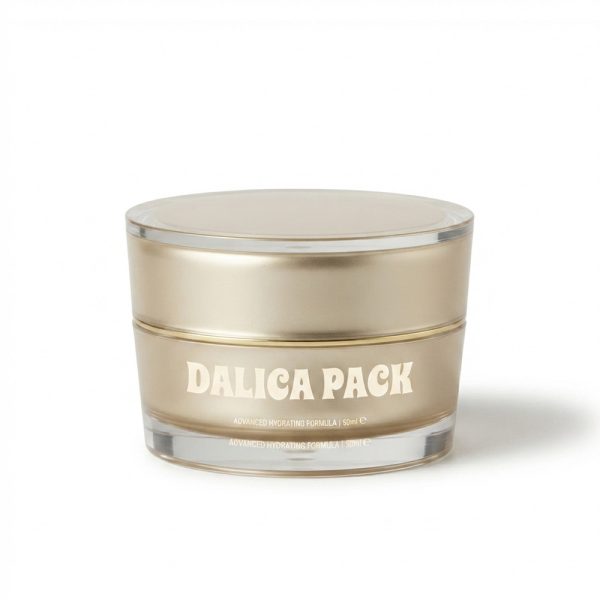
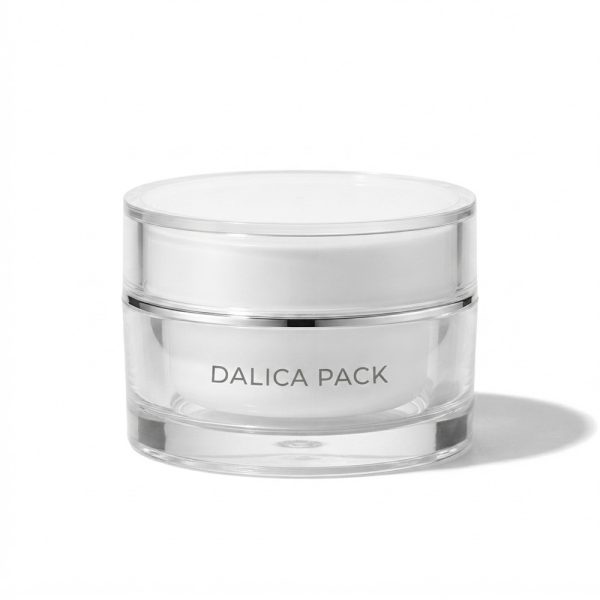
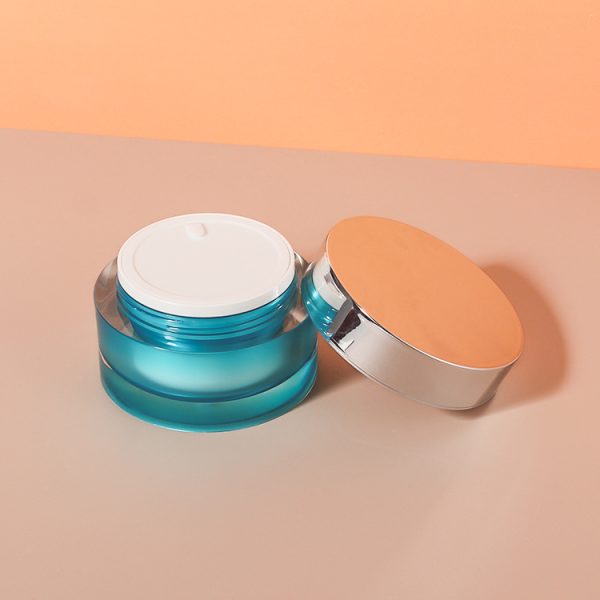
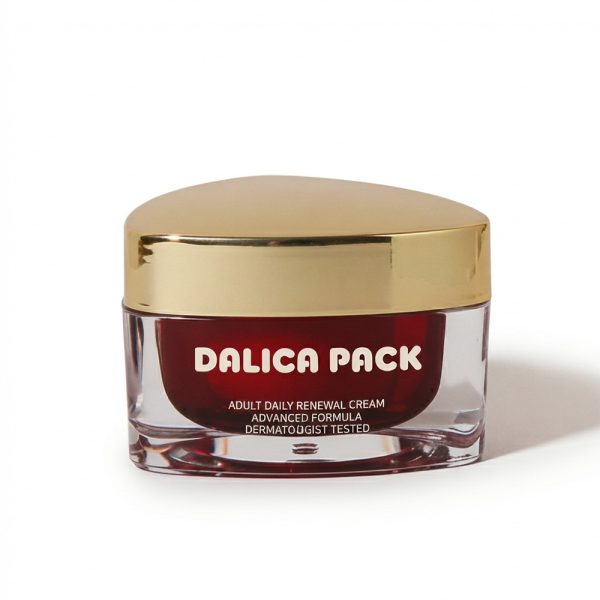
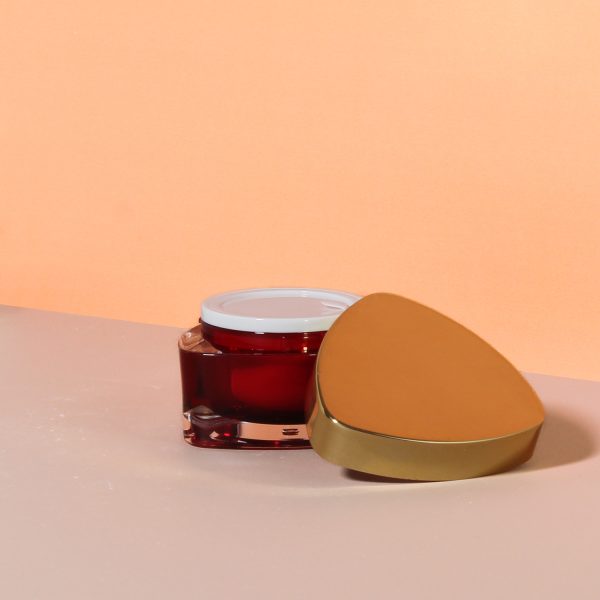
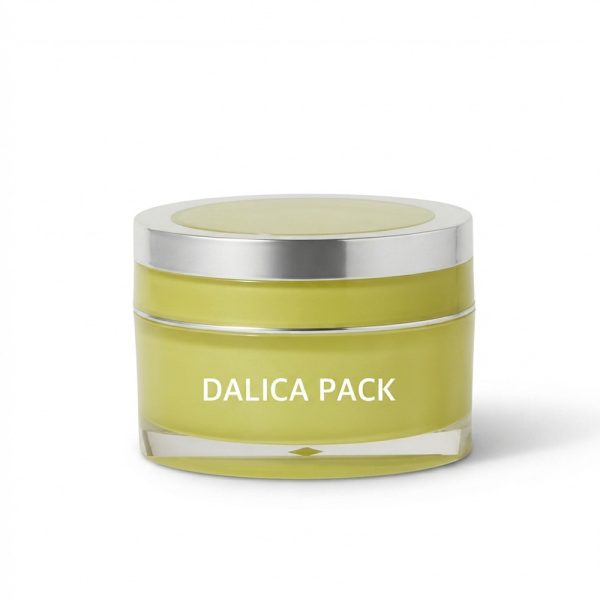
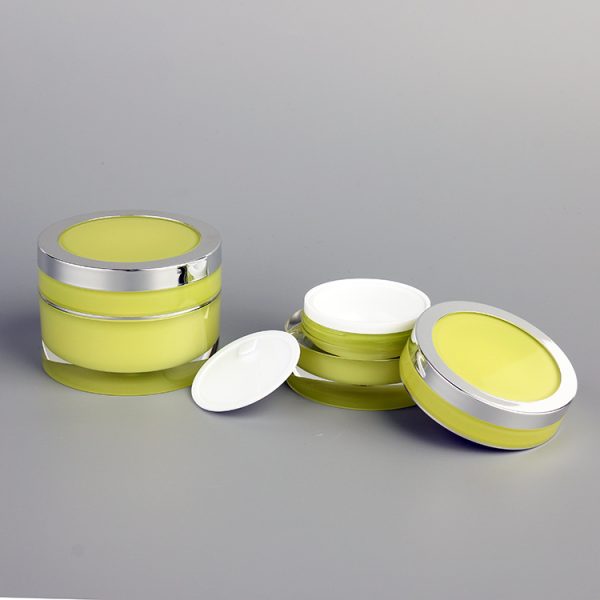
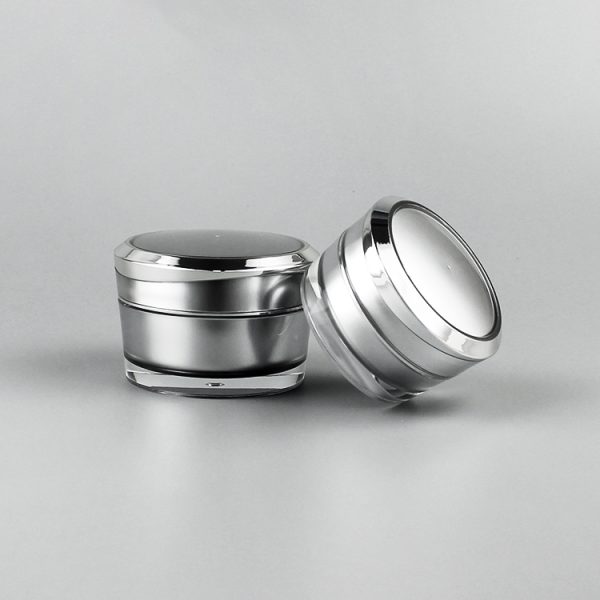
Acrylic cream jars are cosmetic containers designed to give skincare products a clear, substantial, and premium presentation. Conventional designs in this collection use an acrylic outer jar and outer lid. Acrylic is also known as PMMA. The jar body generally contains a separate inner cup that holds the formula.
Lid construction varies by model. A single-layer lid uses one lid component, while a double-layer lid combines an outer shell with a separate inner cap. Most conventional designs use double-layer lids, creating additional visual depth and allowing the inner closure to be selected independently. Specialized designs may use other lid materials; for example, J68 lists an ABS cap with a PMMA outer base.
This layered construction gives brands flexibility in appearance and product-contact materials. The inner cup, inner cap, sealing disc, and complete closure system should be evaluated together with the intended formula.
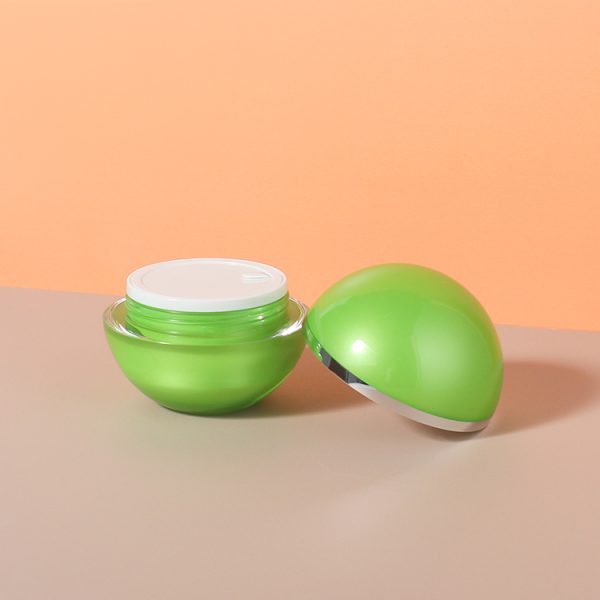
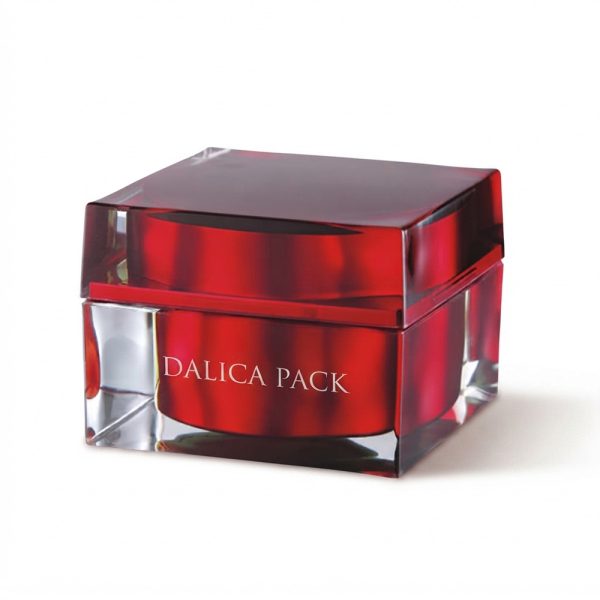
Dalica’s acrylic cream jars include round, square, ribbed, faceted, refillable, and dual-chamber designs for different skincare ranges.
Advantages of Acrylic Cream Jars Compared with Standard Plastic Jars
For brands developing premium skincare packaging, acrylic offers a distinctive combination of clarity, visual depth, and a substantial feel in the hand. Compared with typical lightweight, single-wall plastic jars, it provides more opportunities to build a layered, decorative presentation.
| Feature | Acrylic Cream Jars | Typical Lightweight Plastic Jars |
|---|---|---|
| Appearance | Clear outer walls create depth around the inner cup and highlight colors or decorative details. | Usually provide a simpler appearance, depending on material and construction. |
| Feel in the hand | Thick outer walls can create a more substantial, weighty feel. | Generally feel lighter and more practical for everyday use. |
| Brand positioning | Well suited to prestige skincare, gift collections, and visually distinctive product lines. | Often selected for value-focused, functional, or lightweight packaging. |
| Design possibilities | Support sculpted profiles, faceted bases, crystal-like details, and layered color effects. | Support many shapes and finishes, although visual effects vary by resin. |
| Decoration | Separate outer and inner components allow coordinated colors and contrasting finishes. | Decoration typically focuses on the jar body and lid surfaces. |
| Packaging priorities | Strong option when appearance and tactile experience are central to the brief. | Strong option when low weight, simpler construction, or cost is the priority. |
Acrylic is itself a plastic. The comparison above concerns common jar constructions rather than a universal performance difference between materials. Final weight, durability, and cost depend on the selected design.
Common Uses of Acrylic Cream Jars
1. Face Creams and Moisturizers
Acrylic jars provide a premium presentation for daily moisturizers, night creams, and richer facial creams. Round profiles suit classic skincare collections, while square and faceted designs offer a more distinctive shelf presence.
Models such as J62 and J40 provide square-format options, while J69 offers a low-profile presentation.
2. Eye Creams and Targeted Skincare
Smaller jars suit eye creams and other products used in limited quantities. J37, listed in 10–50 g options, combines a crystal-top appearance with sizes that can support coordinated eye and face care products.
Select the filling size around actual usage, formula stability, and the intended application method.
3. Face Masks, Balms, and Rich Treatments
Wide-opening jars allow convenient access to thicker products such as cream masks and cosmetic balms. Opening diameter, inner-cup depth, and the use of a spatula should be considered alongside appearance.
Formulas containing concentrated oils, fragrance, or solvents require compatibility testing with all product-contact components.
4. Body Creams and Larger Skincare Products
Larger jars suit body moisturizers and products applied more generously. J67, listed in 100–200 g sizes, offers a wide-mouth format worth evaluating for these applications.
5. Paired Skincare Products
Dual-chamber packaging provides separate compartments for two formulas within one outer package. Dalica’s J68 dual-chamber cosmetic jar uses a 30 g × 2 format, offering a starting point for paired skincare concepts.
The two compartments hold formulas separately; the design should not be assumed to provide automatic mixing or controlled dosing.
Acrylic Cream Jar Capacities and Specifications
The models currently displayed in this collection cover listed sizes from approximately 10 g to 200 g, together with a 30 g × 2 dual-chamber format. Available sizes depend on the model.
Smaller formats support eye care and targeted skincare, mid-sized jars suit everyday face creams, and larger wide-mouth formats serve body care and generous-use treatments. Selected designs also offer multiple sizes for a coordinated product family.
Specifications to review include:
- Outer dimensions, jar height, and opening diameter.
- Inner-cup material and usable filling volume.
- Single-layer or double-layer lid construction.
- Inner cap, sealing disc, and closure fit.
- Refill removal and replacement method, where applicable.
- Decoration area and finished packaging weight.
A listed size in grams does not automatically equal the same volume in milliliters. Confirm the intended fill weight using the actual formula density, required headspace, and selected inner cup.
Customization and Finishing Options
Dalica can develop custom acrylic cream jars around your brand colors, artwork, and preferred surface finish. Process availability depends on the selected components and model.
1. Custom Colors and Layered Effects
Coordinate the acrylic outer jar, inner cup, outer lid, and inner cap to create a unified or contrasting appearance. Clear outer walls can frame an opaque inner cup, while tinted components introduce color without completely hiding the layered construction.
Pantone references and physical samples can guide color matching. Final approval should be based on samples made in the intended material and finish.
2. Glossy, Matte, and Gradient Finishes
Glossy finishes emphasize the clarity and depth of acrylic. Matte or frosted effects create a softer appearance, while gradients add a controlled transition in color or transparency.
The selected process should be checked for surface consistency, handling resistance, and compatibility with the assembled jar.
3. Silk-Screen Printing and Hot Stamping
Silk-screen printing adds logos, product names, and graphics directly to suitable surfaces. Hot stamping introduces metallic foil details for selected branding elements.
Artwork size and placement depend on the jar’s curvature, flat surfaces, and tooling. Square designs such as J62 and J40 offer different artwork opportunities from ribbed or faceted models.
4. Metallic Effects and Decorative Accents
Suitable components can be evaluated for metallized finishes and other reflective effects. These treatments can highlight the lid or create contrast with a clear outer jar.
Confirm process suitability, finish durability, and the implications for component separation and recycling before final approval.
5. Coordinated Skincare Packaging
Develop matching colors and decoration across cream jars and complementary skincare packaging to create a consistent product family.
For a broader collection, consider coordinating acrylic cream jars with acrylic pump bottles, serum packaging, and skincare family sets.
How to Choose the Right Acrylic Cream Jar
1. Start with the Formula and Product-Contact Components
Select the inner cup and closure system around the actual formula. The acrylic outer shell provides the presentation, while the inner cup generally holds the product.
Review compatibility, sealing, filling conditions, and product removal with filled samples before confirming production.
2. Match the Design to Your Brand
Choose a jar shape and finish that reflect your skincare range. Round and low-profile designs create a classic presentation, while square shapes offer a clean, geometric look. Ribbed surfaces, faceted bases, and crystal-like details add a more decorative touch.
Consider how the jar feels in the hand, how much space is available for branding, and how it coordinates with the rest of your packaging. For refillable or paired-formula concepts, evaluate the inner-cup structure alongside the exterior design.
3. Choose Capacity Around Actual Use
Consider application amount, frequency of use, and the expected period after opening. A smaller jar may suit an eye cream, while a larger format may be more practical for body care.
Evaluate samples for filling, headspace, fingertip or spatula access, and how easily users can reach the remaining product.
4. Decide Whether Refillability Adds Value
For a refill concept, evaluate a model designed for inner-cup replacement, such as J64r. A separate inner cup in a conventional jar does not automatically make that jar consumer-refillable.
Review removal effort, replacement security, clear instructions, and the availability of matching refill units.
5. Approve the Complete Decorated Package
Assess the jar, lid, inner cup, seal, color, and artwork together. Check closure fit, surface durability, leakage performance, and protection during transport.
Confirm the selected configuration, order quantity, and production schedule before placing a bulk order.
Acrylic Packaging Development: Refill Innovation and Alternative Materials
1. Maintaining a Premium Presentation as Packaging Priorities Change
As skincare brands place greater emphasis on material reduction, refill systems, and recycling, traditional multi-component acrylic jars face closer scrutiny. Some projects are moving toward simpler constructions and alternative materials.
Acrylic still has a clear role where visual depth, sculpted shapes, and a substantial feel are central to the product experience. The development challenge is to preserve those qualities while improving the overall packaging design.
2. Replaceable Inner Cups
Dalica is developing acrylic packaging concepts that allow the outer jar to remain in use while the inner cup is replaced. J64r represents this refillable direction within the collection.
A well-designed refill system can reduce the need to replace the complete outer package with every purchase. Its environmental benefit depends on factors such as refill weight, actual reuse, transport, and consumer participation.
3. Dual-Inner-Cup Designs
Dalica is also exploring functional innovation through designs such as the J68 dual-chamber jar. Two inner compartments allow paired products to share one outer presentation while remaining separate.
This approach expands the possibilities for skincare routines and product combinations. Any material-saving benefit should be assessed against the equivalent separate packages rather than assumed.
4. Developing PET and PETG Alternatives
Alongside acrylic designs, Dalica is gradually developing PET packaging and PETG options for applications that require a transparent appearance.
These materials should be evaluated separately. PET may offer a more established recycling route where the finished jar is accepted by local collection and processing systems. PETG provides transparency and design flexibility, but it should not be treated as interchangeable with PET in recycling.
Future development considers the complete package: material selection, component separation, decoration, refill design, and the recycling infrastructure in the target market.
Frequently Asked Questions
1. What makes acrylic cream jars different from standard plastic jars?
Acrylic cream jars offer clear outer walls, visual depth, and a substantial feel that suits premium skincare. A separate inner cup generally holds the formula. Most conventional designs use an acrylic outer jar and outer lid, with a separate inner cap in double-layer lids. Exact materials vary by model.
2. What products and sizes are these jars suitable for?
Typical applications include face creams, eye creams, moisturizers, cream masks, balms, and body creams. The models displayed include listed sizes from approximately 10 g to 200 g, plus a 30 g × 2 dual-chamber format. Available sizes vary by model. Confirm the intended fill weight and formula compatibility with samples before production.
3. Can the jars be customized, and what is the minimum order quantity?
Customization can include component colors, glossy or matte finishes, gradients, silk-screen printing, hot stamping, and suitable metallic effects. The standard minimum order quantity is 5,000 units, subject to confirmation for the selected model, size, and decoration. Special finishes or new tooling may have additional requirements.
4. Can I receive samples, and how long does sampling take?
Subject to availability, 3–5 existing samples can be provided free of charge, with shipping paid by the customer. Customized samples are chargeable according to the requested colors, finishes, and quantity. Customized sampling generally takes 7–10 days after sample requirements are confirmed. New tooling or complex development requires a separate schedule.
5. What is the bulk production lead time?
Bulk production generally takes 35 days after final sample and specification approval, depending on order quantity, decoration, and production arrangements. Confirm the schedule when placing your order.
6. Do you offer refillable designs or alternative transparent materials?
Dalica offers selected refillable designs with replaceable inner cups, as well as dual-chamber options for paired formulas. Not every jar with a separate inner cup is designed for consumer refilling. We are also developing PET and PETG alternatives for selected applications. Material selection should consider appearance, formula compatibility, and local recycling requirements; PET and PETG require different recycling assessments.

 Chat on WhatsApp