

Cosmetic Packaging Guide
Practical cosmetic packaging guidance on materials, bottles, jars, decoration and testing. Explore the topics below to prepare your packaging choices for production.
Explore Packaging Topics
Materials
Packaging Types
Decoration & Finishes
Testing & Quality
Sourcing & Development
-
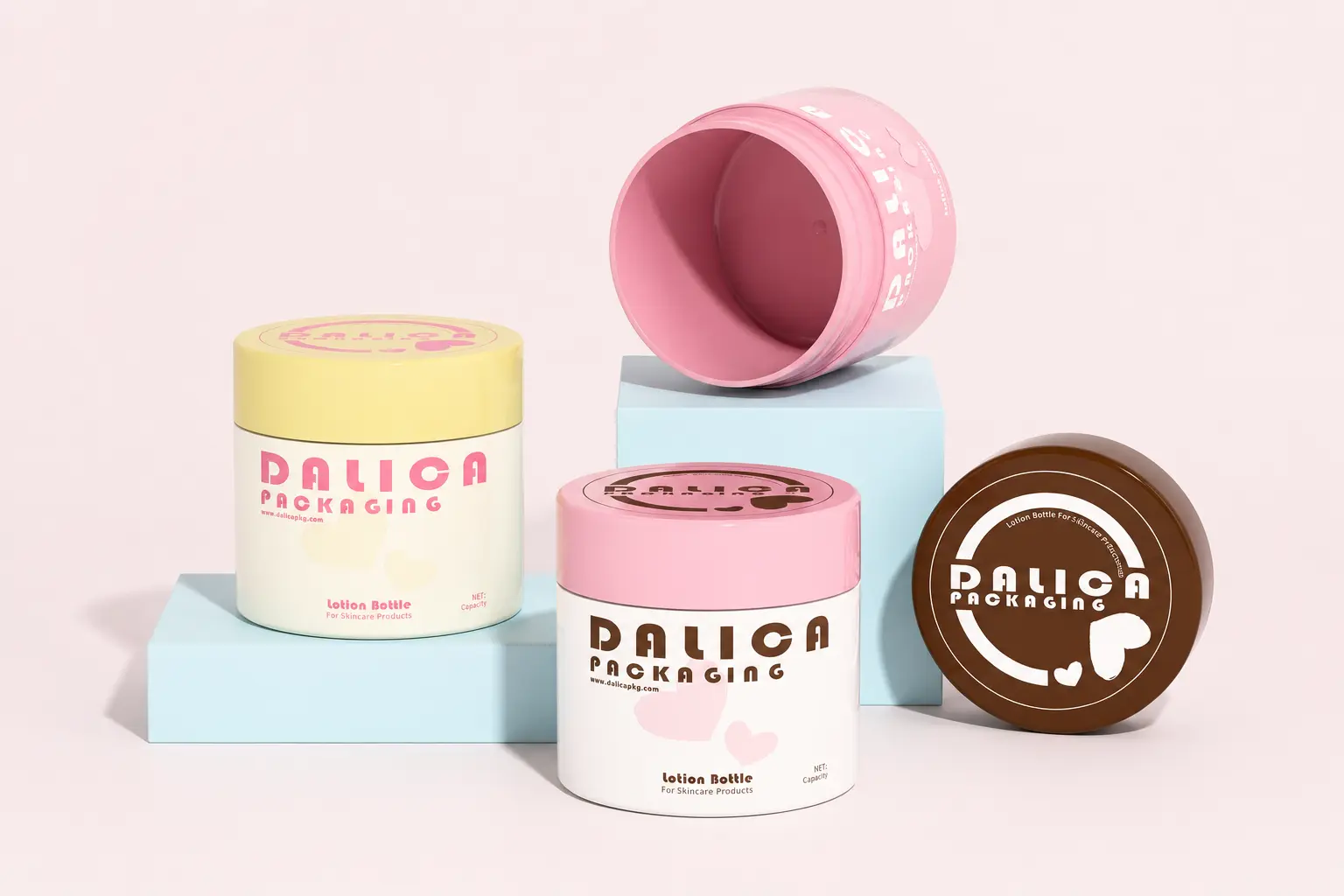
PP Cream Jar: How to Choose and Test Skincare Packaging
Learn how to select a PP cream jar, review its closure and decoration, and plan compatibility, leakage and transport checks before production.
-

Deodorant Stick Packaging: Selection & Testing Guide
Compare deodorant stick structures, filling methods and customization options, and plan formula compatibility and mechanism checks before production.
-

Cosmetic Tube Packaging Guide: Materials, Decoration Options, and Premium Finishes Explained
Cosmetic tube packaging remains one of the most popular packaging formats in the beauty and personal care industry. From facial cleansers and sunscreens to hand creams…
-
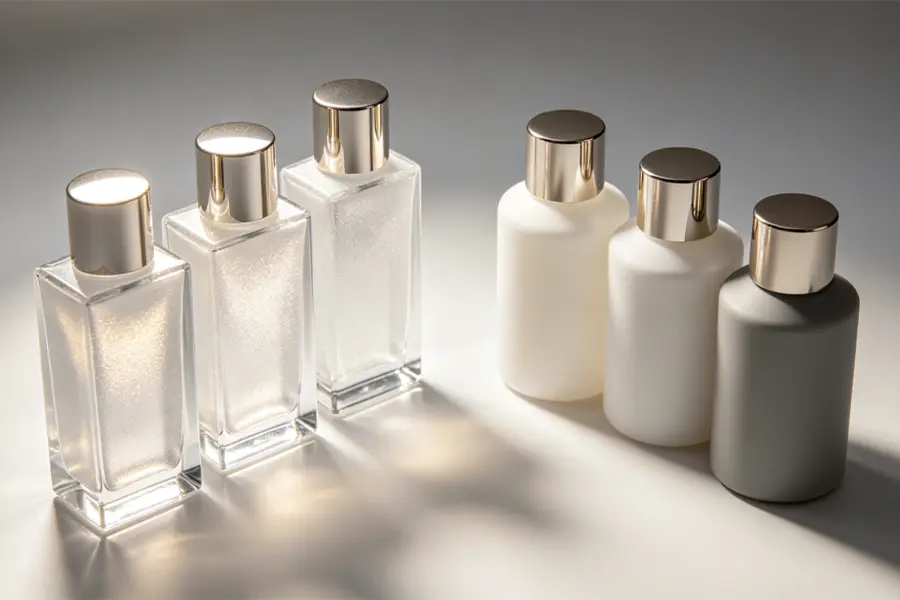
Matte & Frosted Finishes: The Forever Favorite of High-End Skincare
Introduction Understanding Matte Frosted Cosmetic Packaging In the constantly evolving beauty industry, packaging trends rise and fall every year. From glossy metallic styles to vibrant gradient…
-

5 Packaging Details Retail Buyers Notice Immediately
Retail packaging details can strongly influence how beauty buyers evaluate a brand. In retail environments like Sephora, Ulta, Boots, and Douglas, buyers often notice small packaging…
-

The Material That Looked Premium in Samples Failed in Retail
Retail cosmetic packaging decisions are often driven by appearance, positioning, and first impressions during the sampling stage. A packaging material may look premium in samples, align…
-
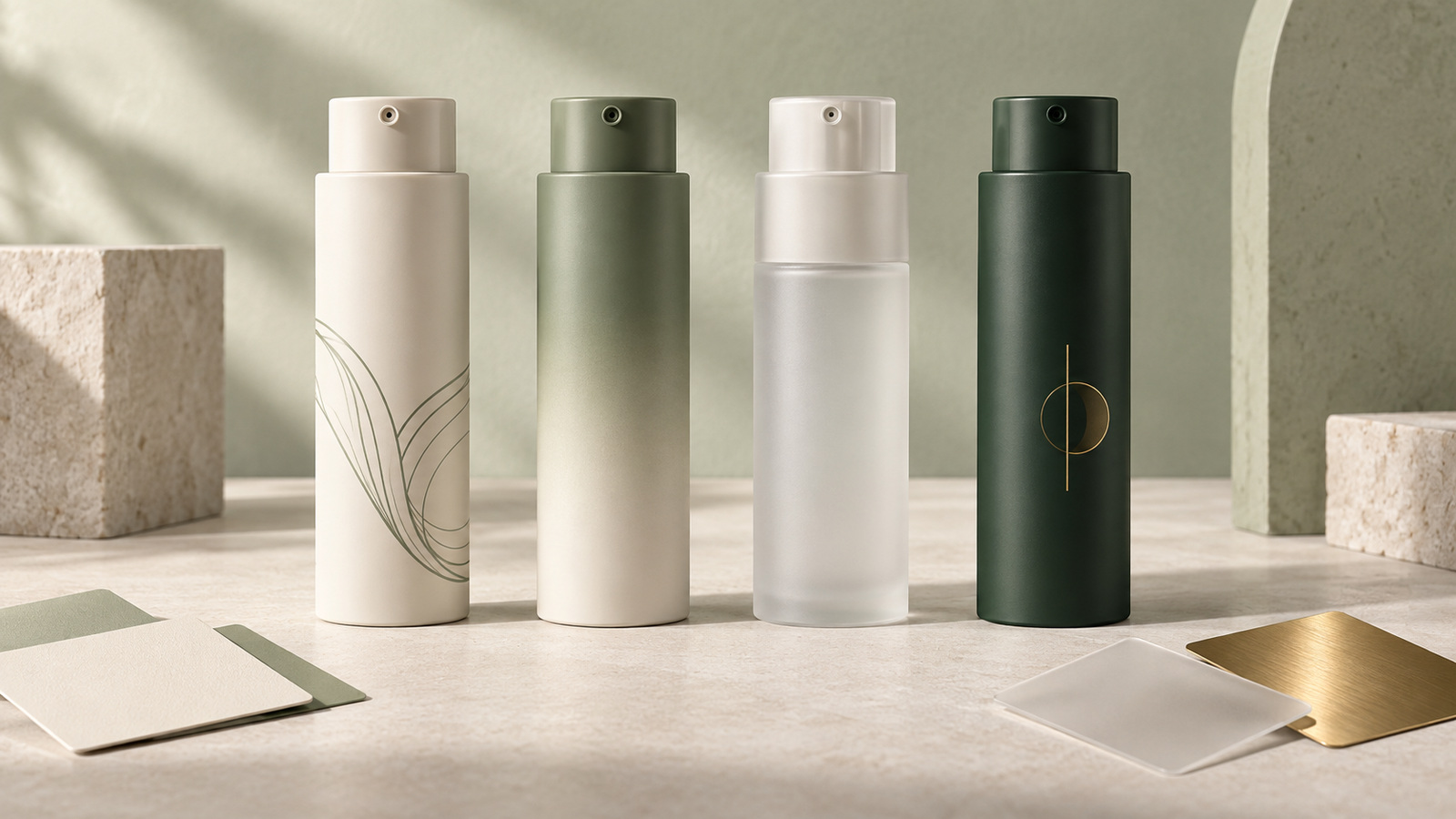
Cosmetic Packaging Decoration Techniques Every Skincare Brand Should Know
Cosmetic Packaging Finishes: 11 Options for Skincare Brands Cosmetic packaging finishes can change the colour, graphics, gloss and texture of a standard bottle or jar without…
-
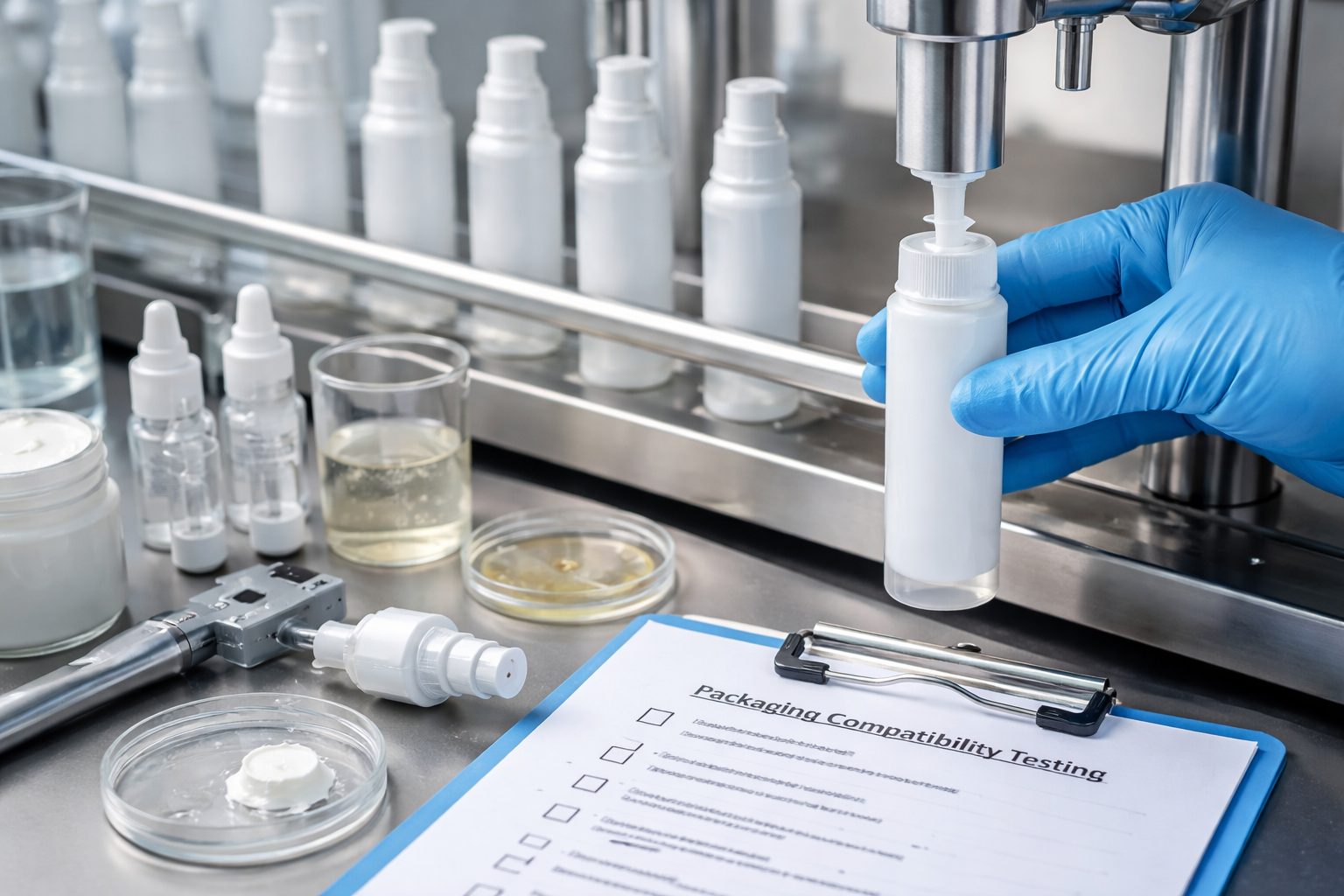
Why Skincare Product Launches Get Delayed: The Hidden Gap Between Marketing and Packaging
Why Skincare Product Launch Delays Happen When Packaging Isn’t Ready “Ready to launch.” It’s a phrase that appears frequently inside skincare companies preparing for a new…
-
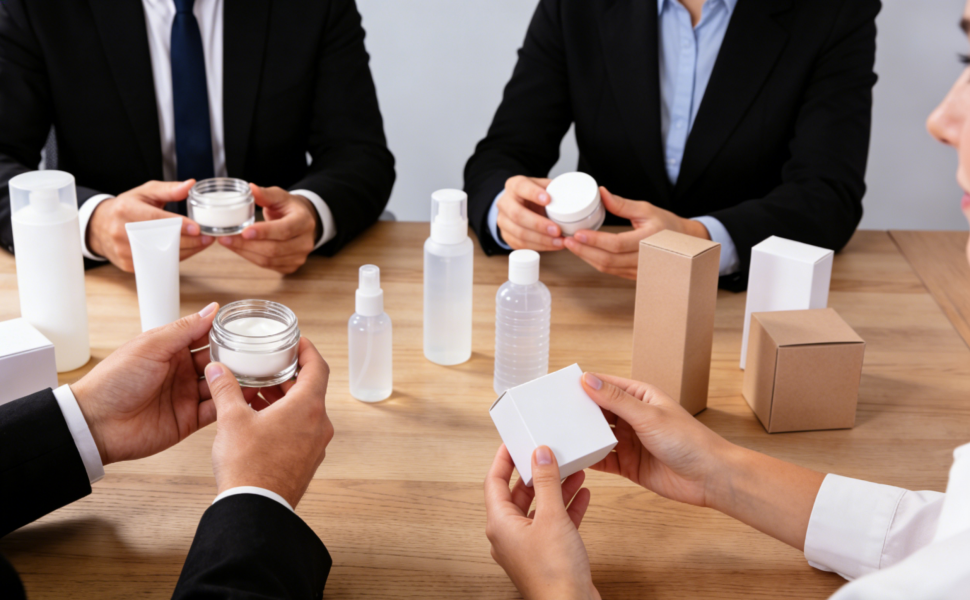
5 Hidden Challenges in Global Cosmetic Packaging Sourcing & How to Avoid Costly Risks
5 Hidden Challenges in Global Cosmetic Packaging Sourcing & How to Avoid Costly Risks Introduction: Why Global Cosmetic Packaging Sourcing Matters for Beauty Brands For beauty…
Need Help Choosing the Right Packaging?
Tell us about your product, formula and design goals. We can help you compare packaging options, finishes and testing requirements for your project.
Frequently Asked Questions
Can you create an embossed or debossed logo on the packaging?
Yes. For plastic packaging, an embossed or debossed logo normally requires a new mold or mold modification. Aluminum components can be customized through stamping. We generally recommend a debossed logo because it is easier to control and less likely to be damaged during handling.
What is the difference between an airless bottle and a standard pump bottle?
An airless bottle uses a vacuum dispensing system that reduces air exposure as the product is dispensed. A standard pump bottle normally uses a dip tube to draw the formula from the container. The suitable option depends on the formula, viscosity and intended user experience.
Which materials are commonly used for cosmetic bottles and jars?
Common materials include PP, PET, PETG, PE, acrylic, SAN and glass. Each material differs in appearance, chemical resistance, weight, recyclability and compatibility with decoration processes.
Which decoration processes can be applied to cosmetic packaging?
Available options include custom injection-molded colors, external spray coating, metallization, silk-screen printing, hot stamping and glossy or matte finishes. The suitable process depends on the packaging material, shape and desired visual effect.
How do you test packaging for leakage?
We conduct sample-based leakage tests according to the packaging type. Pump packages are tested with water under vacuum, while cream jars undergo a 24-hour inverted-water test. Additional testing can be arranged based on the packaging structure and formula.

 Chat on WhatsApp