

Cosmetic Packaging Guide
Practical cosmetic packaging guidance on materials, bottles, jars, decoration and testing. Explore the topics below to prepare your packaging choices for production.
Explore Packaging Topics
Materials
Packaging Types
Decoration & Finishes
Testing & Quality
Sourcing & Development
-
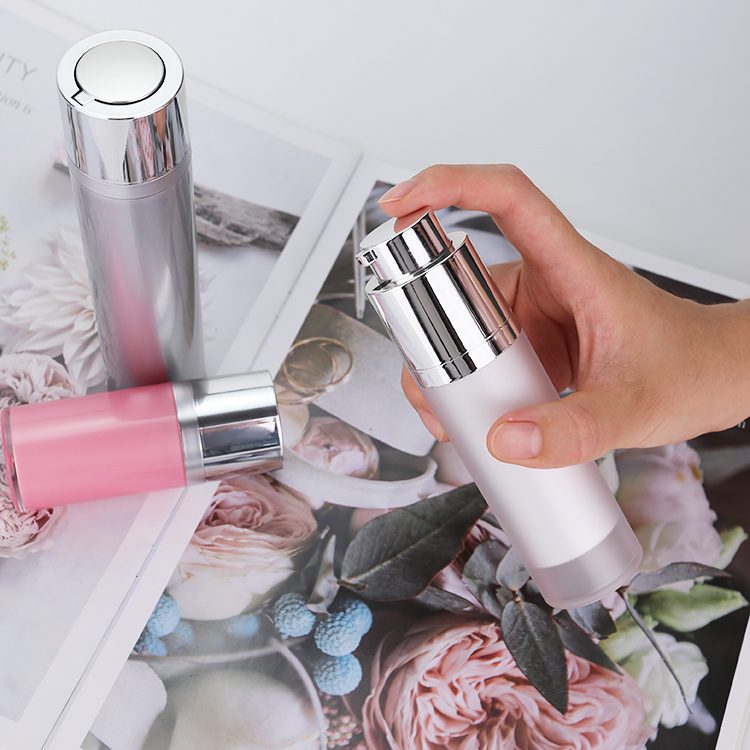
Why Should Cosmetic Manufacturers Choose Acrylic Bottles For Their Products?
Acrylic jars for cosmetics are turning out to be the popular among cosmetic product manufacturing domain. Except liquid-based cosmetics, they are helpful in the storage of…
Need Help Choosing the Right Packaging?
Tell us about your product, formula and design goals. We can help you compare packaging options, finishes and testing requirements for your project.
Frequently Asked Questions
Can you create an embossed or debossed logo on the packaging?
Yes. For plastic packaging, an embossed or debossed logo normally requires a new mold or mold modification. Aluminum components can be customized through stamping. We generally recommend a debossed logo because it is easier to control and less likely to be damaged during handling.
What is the difference between an airless bottle and a standard pump bottle?
An airless bottle uses a vacuum dispensing system that reduces air exposure as the product is dispensed. A standard pump bottle normally uses a dip tube to draw the formula from the container. The suitable option depends on the formula, viscosity and intended user experience.
Which materials are commonly used for cosmetic bottles and jars?
Common materials include PP, PET, PETG, PE, acrylic, SAN and glass. Each material differs in appearance, chemical resistance, weight, recyclability and compatibility with decoration processes.
Which decoration processes can be applied to cosmetic packaging?
Available options include custom injection-molded colors, external spray coating, metallization, silk-screen printing, hot stamping and glossy or matte finishes. The suitable process depends on the packaging material, shape and desired visual effect.
How do you test packaging for leakage?
We conduct sample-based leakage tests according to the packaging type. Pump packages are tested with water under vacuum, while cream jars undergo a 24-hour inverted-water test. Additional testing can be arranged based on the packaging structure and formula.

 Chat on WhatsApp